

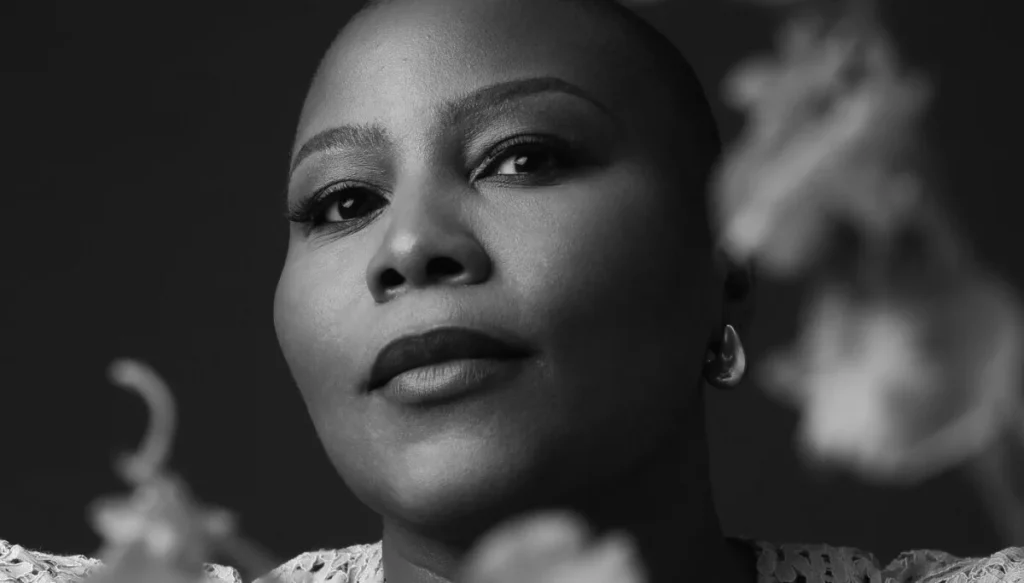
Nigerian poet, writer and performer Wana Udobang is opening a new chapter in African spoken-word music with Dissonance, her fourth poetry album and one of her most ambitious projects to date. Released as Nigerian poetry continues to attract greater mainstream attention, the project blends spoken word, music and personal storytelling to examine some of the contradictions shaping contemporary life.
For Udobang, Dissonance is not simply a collection of poems placed over music. It is a carefully constructed artistic project that explores body image, identity, family trauma, love, friendship, survival and the difficult relationship people have with themselves and the world around them. The album is designed as a slow listen, with its emotional weight requiring audiences to sit with the material rather than consume it quickly.
A Two-Year Creative Journey.
The album represents a significant evolution in Udobang’s approach to poetry. Unlike her earlier projects, she began Dissonance with a formal concept note, using the idea of fracture and repair as the foundation for the work. Individual poems became parts of a larger narrative, allowing the project to function almost like a long essay about contemporary human experience.
The recording process also took time. Udobang worked closely with producer and longtime collaborator Femi Leye, developing the musical environment around the poems before recording and post-production began. The entire creative process took approximately two years, reflecting the level of intention behind the finished album.

The result is a 14-track project that moves between difficult subjects and moments of restoration. Udobang uses poetry to examine the pressures surrounding modern life, including hyper-productivity, consumerism and the ways people negotiate their bodies and identities in an increasingly demanding world.
The Body Becomes the Central Story.
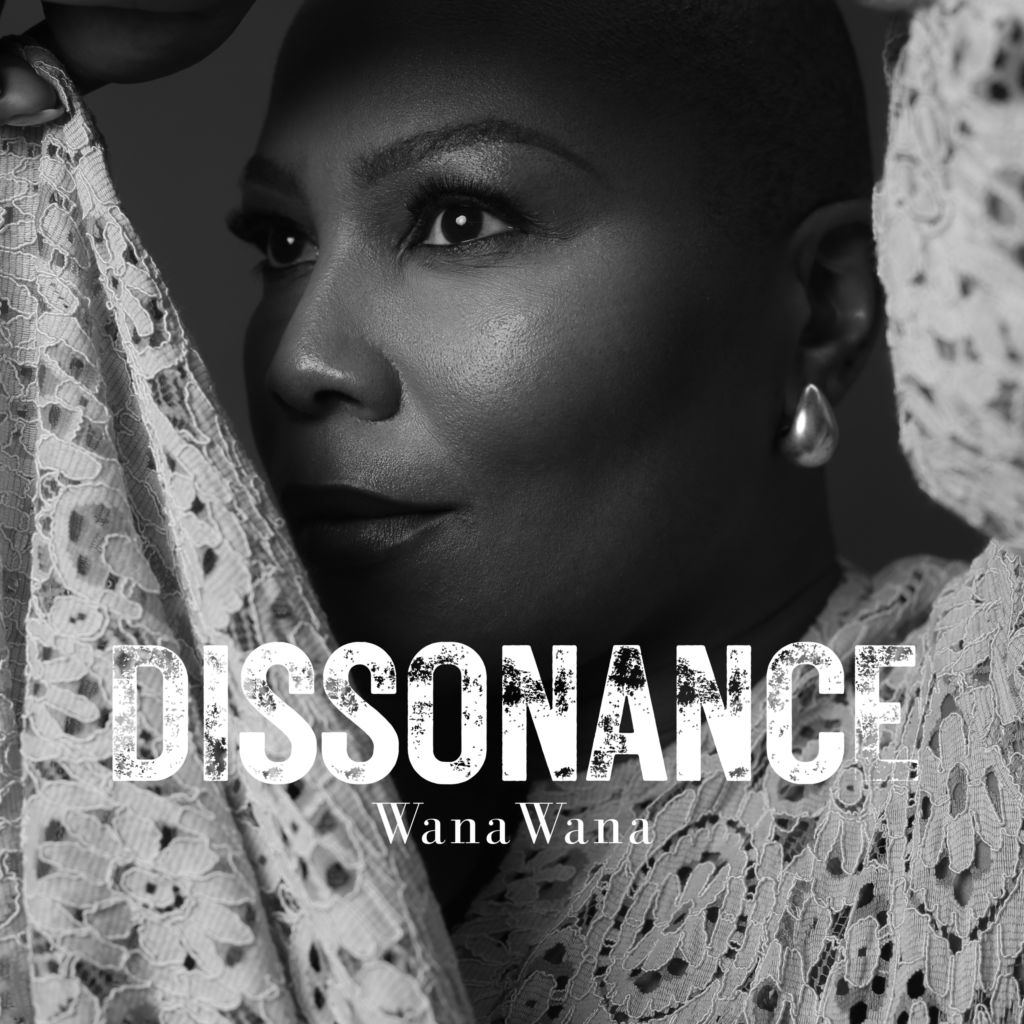
One of the defining themes of Dissonance is the human body. Udobang treats it as both a source of vulnerability and a place of survival, exploring how the body can experience harm, love, shame, pleasure, loss and healing.
The project connects personal experiences with larger social questions. Body image, for example, becomes a way of discussing the pressure to conform to unrealistic standards, while other poems explore hunger, trauma and the complicated ways global events enter people’s everyday lives.
This makes Dissonance particularly relevant to a generation navigating social media, economic pressure and constantly changing ideas about identity. Rather than offering simple answers, Udobang embraces contradiction as part of the human experience.
Nigerian Poetry Is Entering a Bigger Conversation.
Udobang’s latest project arrives at a time when Nigerian poetry is becoming increasingly visible beyond traditional spoken-word spaces. Contemporary poets are finding audiences through streaming platforms, festivals, social media and collaborations with musicians, creating new possibilities for poetry to operate within the wider entertainment industry.
That shift is significant because spoken-word artists have historically occupied a different space from mainstream recording artists. Dissonance challenges that separation by treating poetry as an album-length listening experience, complete with production, composition and a carefully developed sonic identity.
Udobang is not new to this approach. Her previous projects include In Memory of Forgetting in 2017, Transcendence in 2020 and Dirty Laundry in 2021. Each project has developed her exploration of love, identity, memory and the body, but Dissonance represents a particularly deliberate attempt to create a unified artistic statement.
Turning Fracture Into Music.
The title Dissonance captures the central idea behind the album. Udobang describes a contemporary world in which people constantly encounter contradictions: what they believe versus how they behave, what society demands versus what individuals need, and the difference between the image people present and what they experience privately.
The concept reportedly crystallised while Udobang was writing the title poem. After encountering contrasting images on social media, including a child in Gaza pleading for food while other online content celebrated physical transformation and appearance, she began thinking more deeply about the contradictions surrounding modern life.
That tension runs throughout the project. The earlier pieces confront fracture, pain and uncertainty, while the later poems move towards love, friendship, self-love and gratitude. The album therefore does not remain in darkness; it gradually searches for ways of repairing the emotional damage it identifies.
Poetry Meets a New Generation of Listeners.
The growing visibility of projects like Dissonance could have implications beyond Udobang’s individual career. Nigerian music has already demonstrated the global commercial potential of African sounds, but poetry remains comparatively underrepresented within the international African entertainment conversation.
Digital platforms provide an opportunity to change that. A poetry album can be streamed alongside music, shared through social media and discovered by listeners who may never attend a traditional spoken-word event. That gives poets another route to audiences and creates possibilities for collaborations with producers, musicians, filmmakers and other creatives.
Udobang’s work also demonstrates that poetry does not have to become less complex to become more accessible. Instead, production can provide another layer through which audiences encounter the words.
A Different Kind of Nigerian Music Project.
Dissonance ultimately sits somewhere between poetry, music and audio storytelling. Its significance is therefore not simply that another Nigerian artist has released an album. It is that Udobang is demonstrating how the album format itself can be reimagined for spoken word.
The project’s emotional intensity may make it a slower listen than conventional pop releases, but that appears to be part of its purpose. Udobang says listeners are taking their time with the material, reflecting the same gradual process she experienced while creating it.
As Nigerian music continues to expand internationally, Dissonance offers another reminder that the country’s creative economy extends far beyond Afrobeats. Poetry, spoken word and experimental audio are increasingly finding ways to occupy the same digital spaces as mainstream music.
For Wana Udobang, that evolution has produced an album about contradiction, vulnerability and survival. For Nigerian poetry, it could represent something larger: another step towards becoming a mainstream cultural force capable of reaching audiences through sound, streaming and storytelling without losing the depth that makes poetry unique.

Comments (0)
No comments yet — be the first to share your thoughts.