

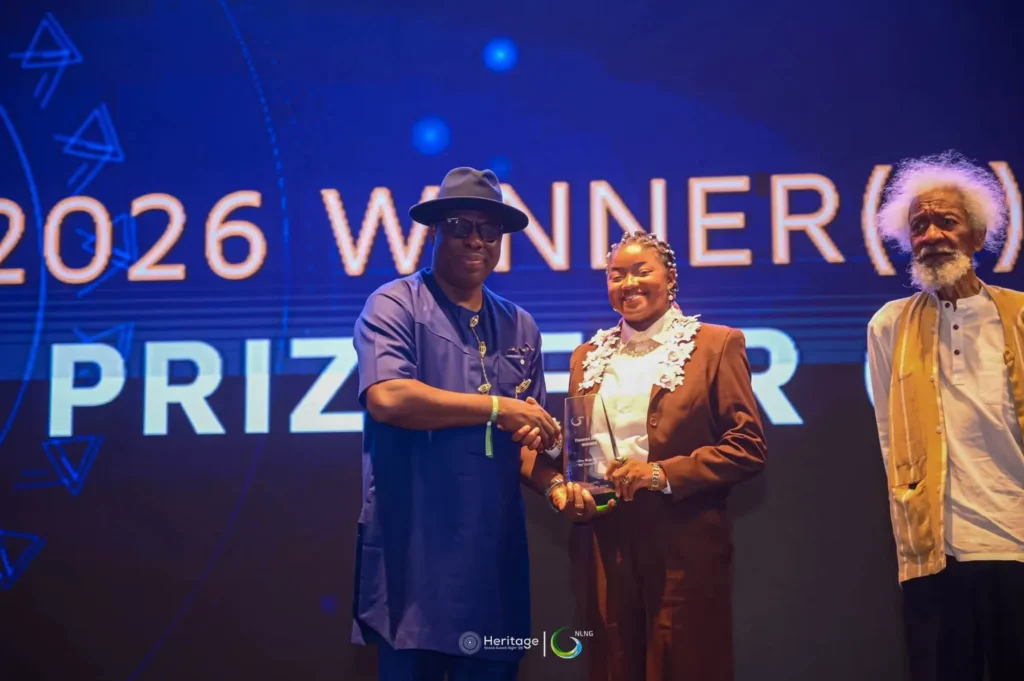
Nigerian poet, lawyer and writer Ogaga Ifowodo has reportedly won the 2026 Nigeria Prize for Literature, securing the prestigious $100,000 award and renewed attention for his contribution to African literature. The recognition places his work before a wider readership and highlights the continued importance of literary writing in a cultural landscape increasingly shaped by digital entertainment and fast-moving online content.
The Nigeria Prize for Literature is among the continent’s most prominent literary awards. Sponsored by Nigeria LNG Limited, it recognises outstanding Nigerian writing and carries a substantial financial prize intended to encourage excellence and strengthen the country’s literary culture. Its annual focus rotates among genres, including prose, poetry, drama and children’s literature.
For writers, winning such an award can provide more than financial support. It can generate new readership, attract publishers’ interest, stimulate critical discussion and create opportunities for translations, literary festivals and international recognition.
Why Literary Awards Matter.
African literature has long provided a platform for examining questions of identity, politics, history, inequality and social change. Writers have documented the effects of colonialism, explored the pressures of contemporary life and challenged readers to reconsider the systems shaping their societies.

In Nigeria, a country with a rich literary tradition, writers continue to navigate a changing publishing environment. Traditional book sales compete with digital entertainment, while many authors face limited distribution networks, inconsistent income and difficulties reaching readers outside major urban centres.
Major awards can help address some of these challenges by drawing attention to books that might otherwise struggle to secure broad commercial visibility. They also create a public conversation around literary quality, encouraging readers, educators and publishers to engage with contemporary writing.
From Recognition to Wider Readership.
For Ifowodo, the reported award could provide an opportunity to reach new audiences in Nigeria and internationally. A major literary prize often encourages bookshops, libraries, universities and reading groups to pay closer attention to a winning work.
The $100,000 award is also significant in an industry where writing does not always provide a reliable livelihood. Financial recognition can give authors greater freedom to pursue new projects, devote time to research and writing, and participate in literary events.
However, the wider value of the prize depends on whether the recognition translates into lasting engagement with the winning work. Publishers, schools, libraries and cultural institutions can help sustain that interest by making books more accessible and creating opportunities for readers to discuss them.
The Challenge Facing African Publishing.
Despite the international success of several African writers, the continent’s publishing sector continues to face structural obstacles. High production and distribution costs, limited access to financing, piracy and uneven reading infrastructure can restrict the reach of locally produced books.
Many writers also struggle to secure effective marketing and distribution beyond their home markets. As a result, literary recognition does not always lead to the sustained sales or regional readership that an author might expect.
Awards can help create momentum, but they cannot independently resolve these difficulties. Long-term progress requires investment in publishing, stronger book-distribution networks, accessible libraries and programmes that encourage reading among young people.
A Moment for Nigerian Literature.
Ifowodo’s reported achievement offers a reminder that literature remains an important part of Nigeria’s cultural influence. While the country’s music and film industries often dominate international headlines, its writers continue to shape conversations about society, memory and the human experience.
The significance of a literary award should ultimately extend beyond the ceremony and prize money. Its lasting impact lies in whether it encourages people to read, supports writers in developing their craft and gives important works a longer life in public discussion.
For Nigerian literature, the 2026 award represents an opportunity to bring renewed attention to the country’s writers and publishing industry. The challenge now is to turn that recognition into wider access to books and a stronger culture of reading across Nigeria and the African continent.

Comments (0)
No comments yet — be the first to share your thoughts.