

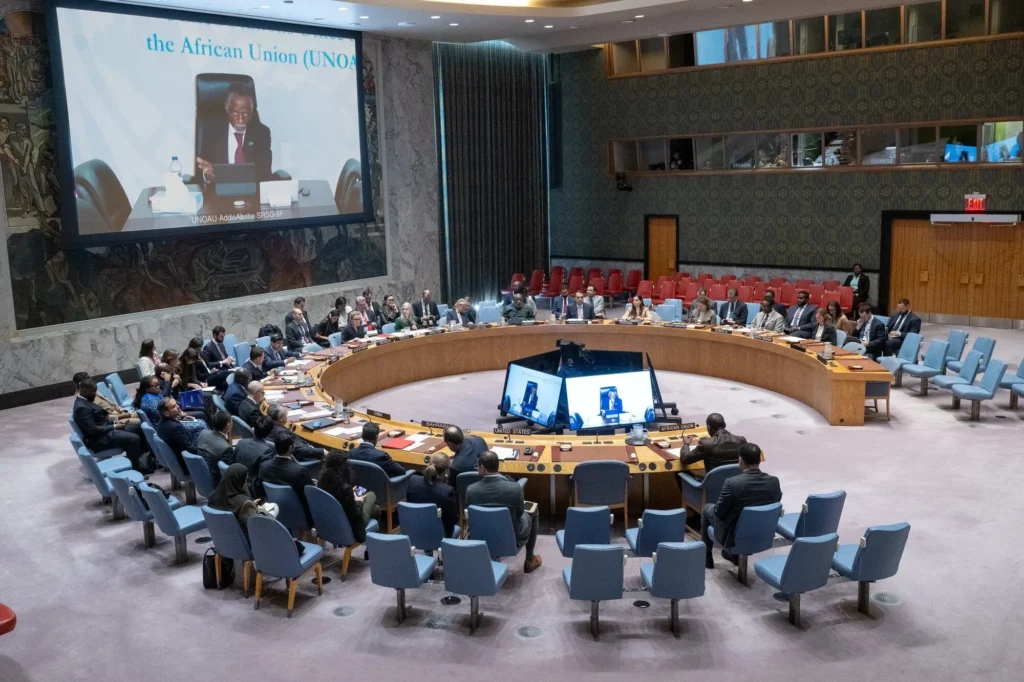
The African Union is preparing to push for stronger debt relief and reforms to the global financial system as African countries confront mounting borrowing costs, limited fiscal space and growing pressure to finance development. The discussions around the International Monetary Fund and World Bank meetings come at a critical moment for governments seeking to invest in infrastructure, healthcare, education and climate resilience while meeting existing debt obligations.
For many African economies, the challenge is no longer simply securing financing. It is obtaining funding on terms that allow governments to support economic growth without diverting excessive public revenue towards debt servicing. High interest rates, currency pressures and limited access to affordable long-term capital have made that balance increasingly difficult.
The African Union’s position reflects a broader demand that international financial institutions and wealthy economies reconsider how global financing arrangements affect developing countries.
Why African Countries Want Debt Relief.
Debt servicing has become a major concern for governments across the continent. Countries that borrow internationally must often repay loans in foreign currencies, meaning that a weakening domestic currency can make repayments more expensive even when the original debt has not increased.

Governments also face competing demands on public spending. Money allocated to creditors cannot simultaneously be used to expand hospitals, build roads, improve electricity access or strengthen social protection programmes. When debt payments consume a large share of public revenue, governments have fewer options to respond to economic shocks.
Debt relief can provide temporary breathing room, but African policymakers have increasingly argued that the international system must also address the cost and availability of financing. They want fairer access to affordable loans, more effective restructuring procedures and stronger representation in institutions that influence global economic policy.
However, debt problems vary considerably across African countries. Some face immediate repayment pressures, while others have more manageable debt but struggle with expensive borrowing and insufficient investment capital. Any continent-wide proposal must account for these differences.
Reforming the Global Financial System.
The International Monetary Fund and World Bank play influential roles in financing, economic policy and development programmes. African governments want reforms that better reflect the continent’s growing population, economic needs and position in the global economy.
One major concern is access to affordable development finance. Many African countries pay higher borrowing costs than wealthier economies, partly because investors perceive greater risks associated with currency volatility, political uncertainty and limited fiscal capacity. These costs can make essential infrastructure projects more expensive and reduce the number of investments governments can pursue.
African leaders have also called for greater representation in global financial decision-making. They argue that countries most affected by financing rules should have a stronger voice in shaping them, particularly as climate change, food insecurity and demographic growth increase development demands.
Reform proposals could include expanding concessional financing, strengthening debt-restructuring mechanisms and mobilising more private investment without leaving governments exposed to unsustainable repayment obligations.
The Challenge of Turning Demands Into Results.
African governments have repeatedly called for changes to international financial arrangements, but securing meaningful reform requires agreement among countries with different priorities. Major shareholders in international institutions retain considerable influence, while creditor governments and private lenders must also participate in decisions affecting debt restructuring.
There is also a domestic responsibility that African governments cannot avoid. Transparent public spending, effective tax collection, stronger institutions and careful borrowing decisions are essential to ensuring that new financing supports productive investment rather than deepening long-term vulnerabilities.
Debt relief alone cannot guarantee economic transformation. Without sound management and investments that improve productivity, countries may eventually face renewed financial pressure. Equally, reforms to global lending will have limited impact if financing does not reach the sectors and communities that need it most.
What Is at Stake for Africa?
The debate carries consequences for the continent’s development ambitions. African countries need substantial investment to expand energy access, modernise transport networks, create jobs for growing populations and strengthen resilience against climate-related disasters.
If governments remain trapped in cycles of expensive borrowing and constrained public spending, progress towards those objectives could slow. More affordable finance and workable debt solutions could instead give countries greater room to pursue long-term economic strategies.
The African Union’s push for debt relief and global financial reform is therefore about more than reducing repayments. It is a demand for a financing system that allows African countries to invest in their futures while maintaining economic stability.
The decisive question is whether discussions at international meetings will lead to practical changes in lending terms, debt negotiations and African representation. For millions of people across the continent, the outcome could influence whether public resources support development priorities or remain tied up in the cost of servicing debt.

Comments (0)
No comments yet — be the first to share your thoughts.