

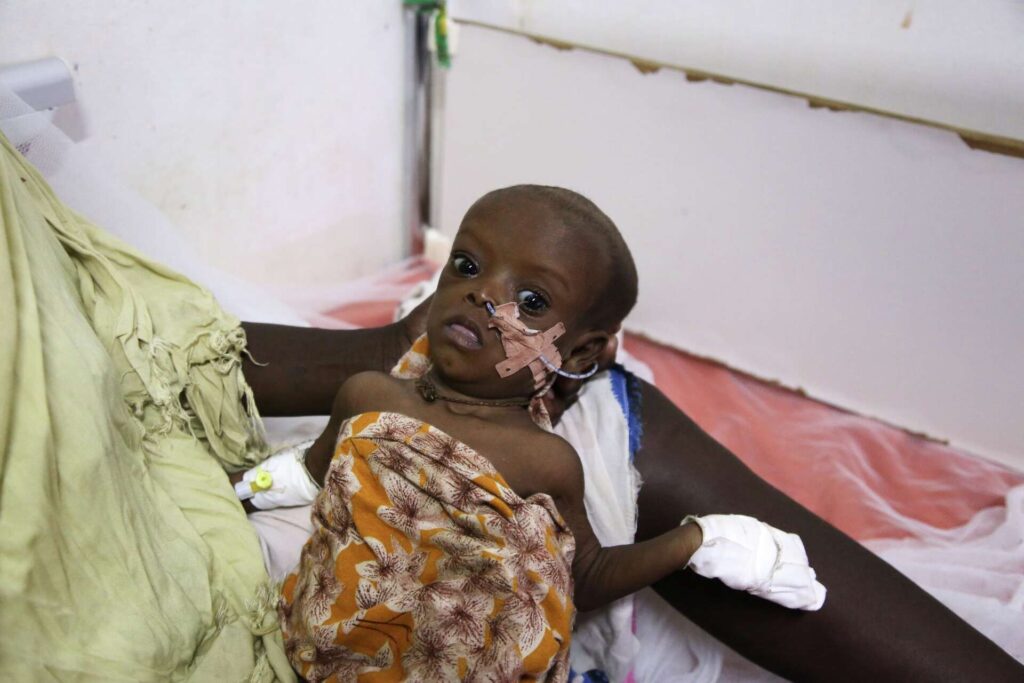
Nearly 1.92 million children in Somalia are reportedly facing acute malnutrition risks as humanitarian assistance declines and communities struggle with the effects of drought, displacement, conflict and rising living costs. The worsening situation highlights the vulnerability of children in a country where repeated climate shocks and prolonged insecurity have undermined household food supplies and access to essential services.
For families already living on limited incomes, the loss of livestock, declining agricultural production and rising food prices can quickly turn food insecurity into a nutritional emergency. Children are particularly vulnerable because inadequate diets can weaken their immune systems, increase their risk of disease and affect their physical and cognitive development.
The reported figure points to a wider challenge facing Somalia: preventing a humanitarian emergency from becoming more severe at a time when funding shortages are placing pressure on relief operations.
Drought and Conflict Deepen Food Insecurity.
Somalia has faced repeated droughts and devastating floods in recent years, disrupting farming, killing livestock and forcing families to leave their homes in search of food, water and safety. Many rural households depend on livestock and rain-fed agriculture, leaving them especially exposed when rainfall fails or extreme weather destroys crops.

Conflict and insecurity compound these pressures by restricting access to farmland, disrupting trade and making it difficult for humanitarian organisations to reach some communities. Displaced families often arrive in settlements with few resources, limited employment opportunities and inadequate sanitation, increasing the risk of malnutrition and disease.
Children suffering from acute malnutrition need timely screening, treatment and access to nutritious food. Without intervention, severe cases can become life-threatening, particularly when children also experience illnesses such as diarrhoea or respiratory infections.
Why Shrinking Aid Is a Serious Concern.
Humanitarian assistance provides a critical safety net for households that cannot meet their basic needs. When funding declines, relief organisations may have to reduce food distributions, limit nutrition programmes or prioritise only the most urgent cases.
These decisions can leave vulnerable families with fewer options. Parents may reduce the number of meals their children receive, sell remaining assets or take on debt to purchase food. Such coping strategies can deepen poverty and make recovery more difficult even when conditions eventually improve.
Funding shortages can also weaken prevention efforts. Community screening, nutrition education, access to clean water and treatment for childhood illnesses are essential to reducing malnutrition, but they require sustained resources rather than short-term emergency responses.
The Long-Term Cost of Child Malnutrition.
The consequences of malnutrition extend beyond immediate hunger. Children who do not receive adequate nutrition during critical stages of development may experience lasting effects on their health, learning and future economic opportunities. At a national level, widespread childhood malnutrition can place additional pressure on health services and undermine efforts to build a more resilient workforce.
Somalia therefore faces the challenge of addressing both emergency needs and the underlying causes of recurring food crises. Humanitarian support remains essential, but longer-term investment in water infrastructure, drought-resistant agriculture, livestock protection, healthcare and social safety nets is also necessary.
Can Somalia Prevent a Deeper Nutrition Crisis?
Preventing a worsening emergency will require coordinated action from Somali authorities, international donors and humanitarian organisations. Immediate priorities include maintaining therapeutic feeding programmes, expanding nutrition screening, improving access to safe water and ensuring that vulnerable families receive sufficient food assistance.
Donors will also need to consider the consequences of funding reductions at a time when needs remain high. Delayed intervention can allow manageable cases of malnutrition to become more severe, increasing both human suffering and the cost of treatment.
The reported 1.92 million children at risk represent more than a humanitarian statistic. Each figure reflects a child whose health and future may depend on whether food, healthcare and protection arrive in time. Somalia’s response will be measured not only by emergency aid delivered today, but by whether the country can build systems that protect children from repeated crises in the years ahead.

Comments (0)
No comments yet — be the first to share your thoughts.