
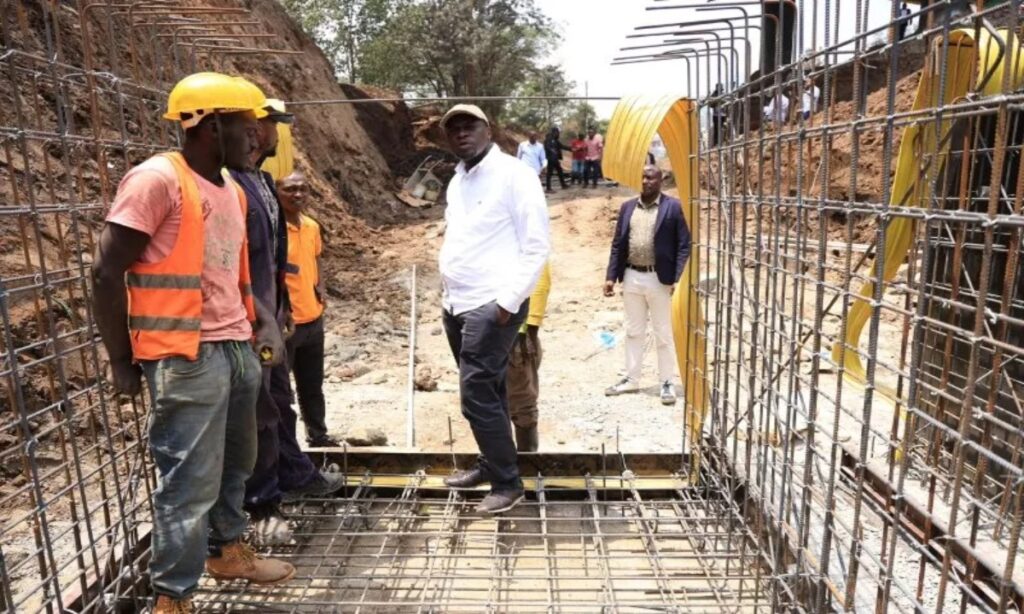
City Government Accelerates Drainage Projects.
Nairobi has allocated Sh2 billion for drainage and flood-mitigation projects as the Kenyan capital prepares for expected heavy rains linked to the El Niño weather pattern in October. The projects are reportedly already at an advanced stage, with tenders awarded as authorities attempt to improve the city’s ability to manage flooding.
The investment comes after repeated flooding in parts of Nairobi exposed weaknesses in drainage infrastructure and caused disruption to homes, businesses and transport. Authorities are now seeking to strengthen drainage systems before the next period of heavy rainfall places additional pressure on the city.
Flooding Remains a Major Urban Challenge.
Nairobi’s rapid expansion has increased pressure on existing drainage infrastructure, while construction and development in some areas have reduced natural water channels. During periods of intense rainfall, the combination can quickly overwhelm drainage systems and leave roads and residential areas flooded.
The new investment is therefore aimed not only at responding to flooding but also at improving the city’s preparedness. Completing the projects before the expected October rains will be critical if Nairobi is to avoid a repeat of previous disruptions.

Climate Risks Are Growing Across African Cities.
The Nairobi initiative also reflects a wider challenge facing rapidly growing African cities. Increasingly unpredictable rainfall, inadequate drainage and rapid urbanisation are creating greater risks for communities across the continent.
For Nairobi, the Sh2 billion allocation provides an opportunity to address some of these vulnerabilities before the next major weather event. The effectiveness of the programme, however, will depend on how quickly the projects are completed and whether the infrastructure is properly maintained after construction.
Nairobi’s decision to invest Sh2 billion in flood protection is a significant step towards preparing the capital for heavier rainfall. But as climate-related risks increase, African cities will need to move beyond emergency responses and make drainage, urban planning and climate resilience permanent priorities in their development strategies.

Comments (0)
No comments yet — be the first to share your thoughts.