
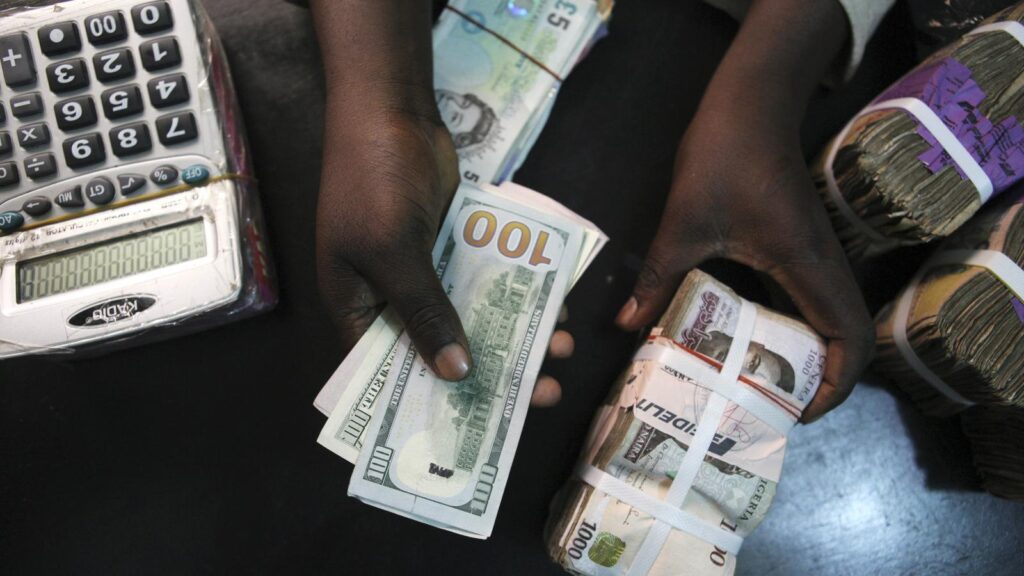
The Nigerian naira strengthened against the United States dollar in both the official and parallel foreign exchange markets, while trading activity in the official market recorded a sharp increase.
The dollar closed at about ₦1,328 at the Nigerian Foreign Exchange Market (NFEM), compared with ₦1,331 recorded on Tuesday. The ₦3 movement represents an appreciation of the naira in the official market.
The currency also gained ground in the parallel market, where the dollar fell to approximately ₦1,375 on Wednesday from ₦1,383 a day earlier. This narrowed the gap between the two markets to about ₦47 per dollar.
FX Trading Activity Jumps.
The movement in the naira came alongside a significant increase in foreign exchange trading activity.

Turnover at the NFEM rose by 181.5 percent to $279.2 million from $99.2 million in the previous session. The increase points to substantially higher transaction activity in the official market as participants traded more foreign currency.
The latest movement follows several weeks in which the naira has generally traded within a relatively narrow range around the ₦1,300-per-dollar level in the official market.
Reuters reported on September 24 that traders expected the naira to remain broadly stable over the coming week, with central bank dollar sales helping to meet short-term demand and relatively subdued import demand providing additional support.
Nigeria’s Foreign Reserves Provide Additional Support.
Nigeria’s external reserves also remain an important factor in the country’s foreign exchange market.
The reserves stood at approximately $54.674 billion as of September 17, according to the latest figures reported alongside the exchange-rate data. The stronger reserve position provides the Central Bank of Nigeria with greater capacity to supply foreign currency to the market and meet external obligations.
The combination of stronger reserves and increased official-market activity has helped improve liquidity conditions, although the naira continues to face demand pressures from importers, businesses and individuals requiring dollars.
The Gap Between Markets Narrows.
The reduction in the difference between the official and parallel-market rates is another notable development.
At ₦1,328 per dollar in the NFEM and about ₦1,375 in the parallel market, the difference is now approximately ₦47. That compares with a gap of about ₦52 recorded previously.
A narrower spread can reduce incentives for transactions to migrate outside the formal market, while also making the official exchange-rate system more closely reflect conditions in the broader foreign exchange environment.
However, daily rates remain subject to changes in liquidity, demand, transaction volumes and the availability of dollars.
What the Latest Naira Movement Means.
The latest appreciation does not necessarily mean that Nigeria’s foreign exchange pressures have been permanently resolved. The naira remains sensitive to dollar demand, oil and non-oil foreign exchange inflows, import requirements and broader global financial conditions.
For businesses that depend on imported goods, international payments or foreign currency, even relatively small movements in the exchange rate can affect operating costs and pricing.
For the wider economy, sustained stability would depend on whether improved liquidity and stronger reserves can continue supporting the market while demand for dollars remains manageable.
For now, the latest data show a naira trading at around ₦1,328 to the dollar in the official market, with stronger activity in the NFEM and a narrower gap between official and parallel-market rates.

Comments (0)
No comments yet — be the first to share your thoughts.