
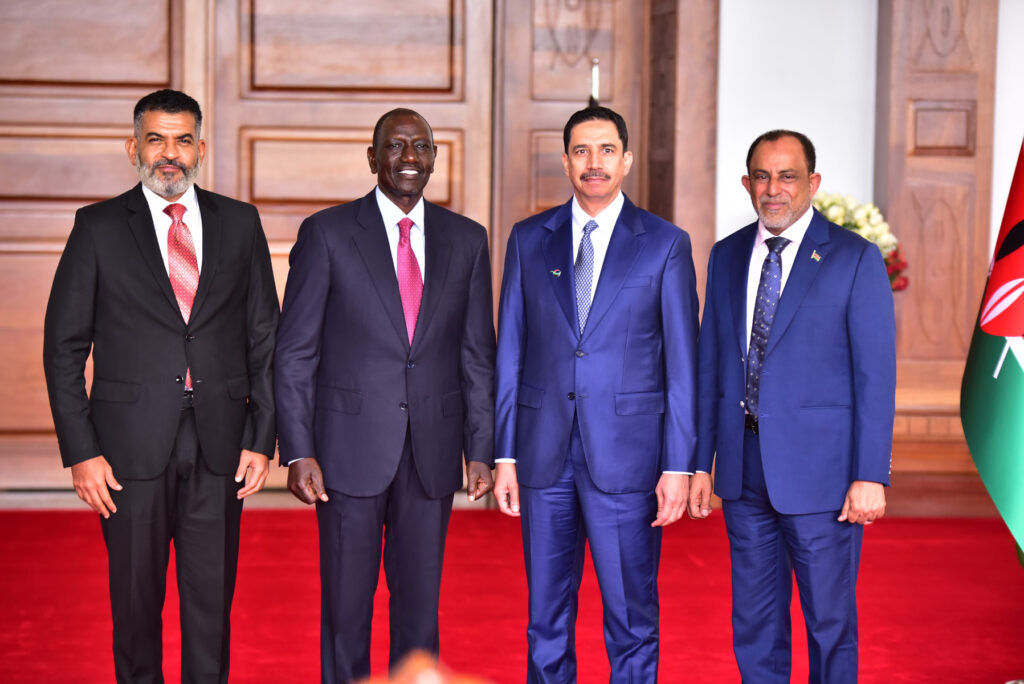
Kenya is moving ahead with a major industrial investment in Mombasa as global logistics company DP World and Kenyan investment group GulfCap Africa formalise their partnership to develop a 222-hectare Special Economic Zone designed to attract manufacturers, investors and exporters to the country’s coast.
The two companies signed a shareholders agreement on September 9, formally advancing the joint venture behind the Mombasa Industrial Park. The development follows an earlier partnership announcement in August and represents an important step in Kenya’s effort to transform Mombasa from primarily a regional transit and port centre into a manufacturing and export hub.
More Than $100 Million Is Going Into the Project.
The Mombasa project is valued at more than $100 million, according to Kenyan reports, with the wider development expected to combine industrial infrastructure, logistics and investment facilities. The first phase will cover 40 hectares, with the full Special Economic Zone expected to attract foreign direct investment and expand Kenya’s manufacturing capacity.
More than 60 local and international companies have already expressed interest in establishing operations inside the zone. The developers expect the completed project to support more than 20,000 direct and indirect jobs, while earlier estimates put first-phase direct employment at almost 8,000 positions.

The difference between those figures reflects the distinction between direct employment within the industrial park and the wider economic activity expected among suppliers, transport operators, service providers and other businesses.
Manufacturing Is at the Centre of the Strategy.
The industrial park is being designed to accommodate companies involved in manufacturing, processing, assembly, branding, logistics and exports. That gives the project a broader economic purpose than simply providing warehouse or port-related facilities.
Kenya has been trying to increase domestic manufacturing and reduce the cost of producing goods for both African and international markets. The Mombasa Industrial Park is intended to support that strategy by bringing manufacturing activity closer to one of East Africa’s most important ports.
President William Ruto said the government would support the infrastructure required to make the industrial zone competitive, with the objective of allowing products made in Kenya to compete more effectively in regional and global markets.
Mombasa’s Location Gives the Park a Major Advantage.
One of the project’s biggest advantages is its location. The industrial zone is close to the Port of Mombasa, the Standard Gauge Railway and regional road networks, giving businesses access to established trade infrastructure.
That connectivity could reduce the cost and time involved in moving raw materials into factories and finished products out to regional and international markets. Analysts have also argued that the scale of the site gives Mombasa an opportunity to develop industrial clusters rather than isolated factories.
For DP World, the project also fits into a broader strategy of linking logistics infrastructure with industrial production. Rather than simply moving cargo through ports, the company is increasingly positioning logistics facilities and free zones as platforms where businesses can manufacture, process and distribute goods.
GulfCap Brings Local Investment to the Partnership.
The partnership combines DP World’s international logistics expertise with GulfCap Africa’s local investment interests and the participation of the Mombasa County Government.
GulfCap founder Suleiman Shahbal has described the project as the result of a long-term effort to establish a major industrial and investment hub in Mombasa. The company says more than 60 businesses have already shown interest in taking space in the development.
The involvement of local businesses is expected to extend beyond companies operating inside the zone. Suppliers, small and medium-sized enterprises, transport operators and other service providers could benefit from increased industrial activity.
AfCFTA Could Expand the Market.
Companies operating within the Special Economic Zone will also have access to Kenya’s trade connections with African and international markets.
DP World says businesses in the park will be positioned to take advantage of Kenya’s participation in the African Continental Free Trade Area, its Economic Partnership Agreement with the European Union and its Comprehensive Economic Partnership Agreement with the United Arab Emirates.
That could make the project particularly attractive to manufacturers looking for an African production base. Instead of serving only the Kenyan market, factories established in Mombasa could potentially use the city as a platform for exporting products across East Africa and other African markets.
The Real Test Will Be Execution.
The scale of the investment and the number of companies expressing interest have created significant expectations around the project. But the economic impact will ultimately depend on how quickly infrastructure is delivered and how effectively the zone attracts actual manufacturing operations.
President Ruto has pushed for rapid implementation, with Kenyan reporting saying the government wants the project to move quickly from agreements to physical infrastructure, factories and jobs.
That urgency reflects a broader challenge facing African Special Economic Zones. Announcing industrial parks is relatively easy; building competitive infrastructure, attracting serious manufacturers and creating sustainable employment is considerably harder.
For Mombasa, however, the opportunity is significant. A successful industrial park could help the coastal city capture more value from the trade passing through its port instead of remaining primarily a transit point for goods destined for other markets.
The DP World and GulfCap Mombasa Industrial Park therefore represents more than a $100 million investment. It is part of Kenya’s larger attempt to connect logistics, manufacturing, exports and foreign investment into one industrial ecosystem. If the project delivers on its employment and investment ambitions, it could strengthen Mombasa’s position as one of East Africa’s most important manufacturing and trade gateways.

Comments (0)
No comments yet — be the first to share your thoughts.