

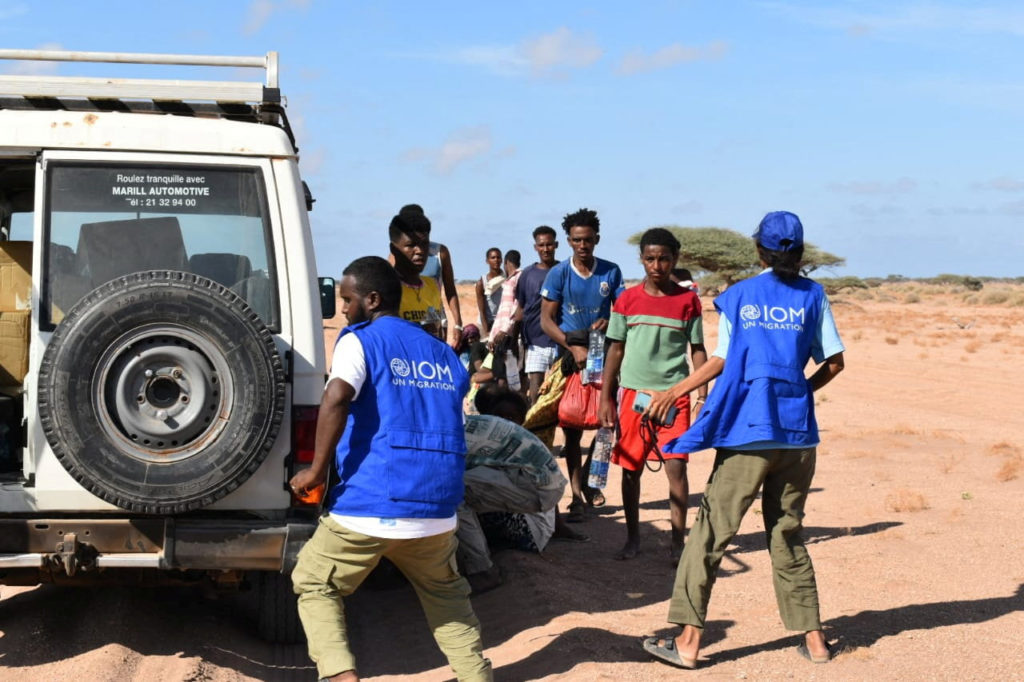
At least 139 migrants have reportedly died after a boat capsized along the dangerous maritime route between Djibouti and Yemen, highlighting the continuing human cost of irregular migration across the Horn of Africa and the Red Sea. The tragedy underscores the risks faced by people attempting to escape poverty, insecurity and limited economic opportunities in search of a better future.
The route across the Gulf of Aden is one of the main migration corridors connecting the Horn of Africa to the Arabian Peninsula. Migrants, many from Ethiopia and neighbouring countries, undertake the crossing in the hope of reaching employment opportunities in Yemen and, in some cases, travelling onwards to other Gulf states. Yet the journey often involves overcrowded vessels, poorly equipped boats and dangerous sea conditions.
The reported death toll makes the incident a stark reminder that migration routes remain deadly despite years of warnings from humanitarian organisations and regional authorities.
Why Migrants Continue to Risk the Crossing.
For many migrants, the decision to leave home is shaped by a combination of economic hardship, unemployment, conflict and climate-related pressures. Rural communities in parts of the Horn of Africa have faced difficult living conditions, while young people often see few realistic opportunities to earn a stable income locally.

Yemen remains a destination and transit point despite years of conflict and humanitarian crisis. Some migrants believe the risks are worth taking because the possibility of finding work elsewhere offers a chance to support relatives and escape prolonged hardship.
Smugglers can exploit these hopes by arranging crossings in unsafe boats and providing little reliable information about the dangers at sea. Migrants may have limited access to legal routes, reliable travel information or protection from exploitation, leaving them vulnerable throughout the journey.
A Growing Humanitarian Challenge.
Deaths at sea place enormous pressure on coastal authorities and humanitarian organisations responsible for search-and-rescue operations, survivor assistance and the identification of victims. When vessels capsize far from shore, finding survivors can be difficult, and recovering the bodies of those who die may take days or longer.
The tragedy also leaves families facing uncertainty, particularly when migrants travel without formal documentation or lose contact with relatives during the journey. For those who survive, the consequences can include trauma, injury, detention and further exposure to exploitation.
Addressing the crisis requires cooperation among countries of origin, transit and destination. Stronger search-and-rescue capacity, action against abusive smuggling networks and improved access to protection are important, but they must be accompanied by realistic opportunities for safe and legal migration.
Can Safer Alternatives Reduce the Death Toll?
Governments face a difficult balance between controlling irregular migration and protecting people whose circumstances leave them vulnerable to dangerous journeys. Border enforcement alone is unlikely to eliminate the demand for smugglers if unemployment, insecurity and limited legal pathways continue to push people towards unsafe crossings.
Expanding lawful labour-migration opportunities, improving access to accurate travel information and supporting livelihoods in communities of origin could reduce some of the pressures driving these journeys. Regional authorities must also ensure that survivors receive humanitarian assistance and that investigations into deadly crossings lead to meaningful action against those responsible for exploitation.
The reported deaths along the Djibouti–Yemen route are not simply a maritime disaster. They reflect a wider migration crisis in which people continue to risk their lives because they see few alternatives. Preventing another tragedy will require more than emergency rescue efforts; it will demand sustained regional cooperation and practical solutions that make migration safer while addressing the conditions that drive people to leave.

Comments (0)
No comments yet — be the first to share your thoughts.