

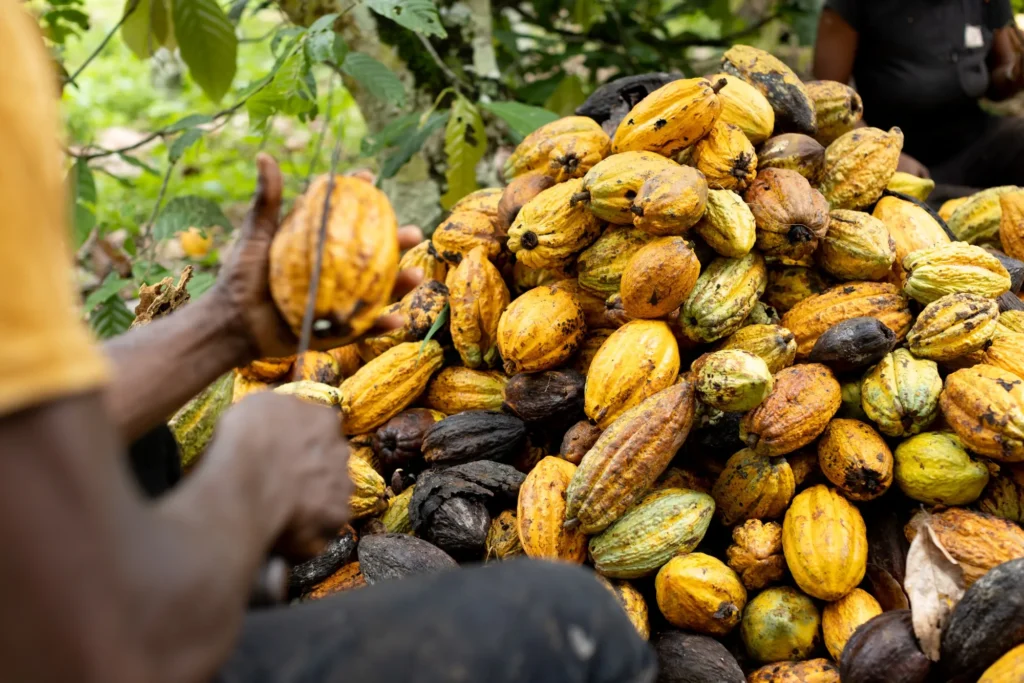
Ghana’s cocoa regulator is turning to the country’s domestic capital market to raise GH¢16.3 billion, equivalent to about $1.4 billion, to finance cocoa purchases for the upcoming 2026/27 season. The move marks a significant change in how Ghana has traditionally financed its cocoa industry, after the collapse of its long-standing international borrowing model.
The Ghana Cocoa Board (COCOBOD) plans to raise the funds through domestic investors, with a new special-purpose vehicle, Cocoa Capital PLC, expected to lead the first issuance. The initial tranche is expected to include a GH¢2.3 billion bond and GH¢4 billion in commercial paper. The commercial paper, with maturities of up to 270 days, is intended to finance seasonal cocoa purchases, while the longer-term bonds will help refinance existing short-term obligations.
Why Ghana Is Changing Its Cocoa Financing Model.
For more than three decades, Ghana relied heavily on syndicated loans from international banks, backed by future cocoa export revenues. That model began to unravel during the 2023/24 cocoa season, when the syndicated financing arrangement collapsed. A separate system in which international trading companies pre-financed cocoa purchases also failed last season, contributing to delays in payments to farmers.
COCOBOD has therefore been working on a domestic financing model that would make greater use of Ghana’s own financial institutions and investors. The Board had already signalled earlier this year that it wanted to replace the traditional offshore financing structure with instruments such as commercial paper and domestic cocoa bonds.

The new structure is designed to use cocoa export receivables from selected forward sales contracts as the main source of repayment to investors. Eligible participants include commercial banks, pension funds, insurance companies, stockbrokers, high-net-worth individuals, institutional investors and international cocoa buyers.
Cocoa Buyers Are Still Waiting for Payments.
The financing push comes as pressure continues to build around unpaid obligations from the previous crop. Ghanaian cocoa buyers said last week that COCOBOD owed them approximately GH¢4 billion for cocoa supplied during the previous season. They are seeking payment before the new crop year begins.
The financing difficulties have also contributed to uncertainty over the timing of Ghana’s new cocoa season. While neighbouring Côte d’Ivoire opened its main cocoa season on September 1, Ghana had yet to announce its start date in the latest reports.
That delay matters because cocoa purchases depend heavily on COCOBOD and licensed buying companies having sufficient liquidity to pay farmers when beans reach the market.
A Bigger Shift for Ghana’s Cocoa Industry.
The domestic financing plan is part of a broader attempt to restructure Ghana’s cocoa economy. COCOBOD has said the new model should reduce the sector’s exposure to international financing conditions while increasing domestic participation and value retention.
The Board has also outlined plans to expand local cocoa processing. Under the government’s reform programme, Ghana intends for at least 50% of cocoa beans to be processed locally from the 2026/27 crop season, potentially increasing the amount of value captured inside the country.
For now, however, the immediate challenge is securing enough financing to purchase the new crop and address outstanding obligations. The planned $1.4 billion domestic fundraising represents Ghana’s most significant move yet toward replacing its traditional foreign-funded cocoa purchasing model with a financing system built around the country’s own capital market.

Comments (0)
No comments yet — be the first to share your thoughts.