

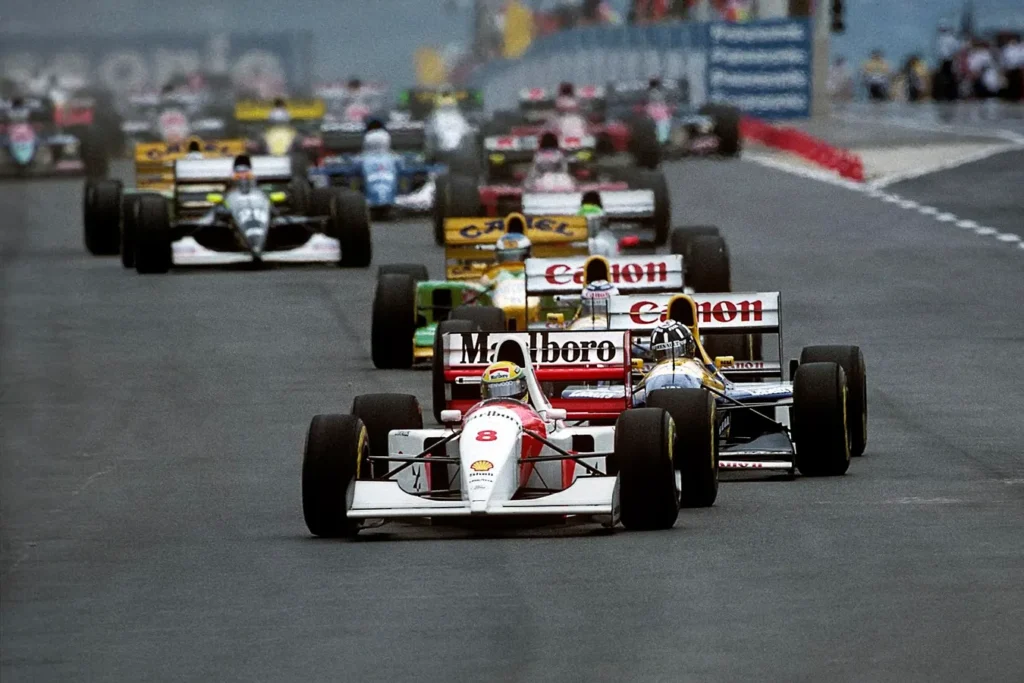
Rwanda has secured a landmark 10-year agreement to host a Formula One Grand Prix from the early 2030s, marking Africa’s return to the sport’s calendar for the first time since the 1993 South African Grand Prix. The announcement, made in Kigali on October 13, 2026, places Rwanda at the centre of a major development in African sports, tourism and international investment.
The agreement was announced by Formula One chief executive Stefano Domenicali alongside Rwandan President Paul Kagame and International Automobile Federation (FIA) president Mohammed Ben Sulayem. The race, officially named the Formula 1 African Grand Prix, presented by Visit Rwanda, will take place at a purpose-built circuit in Bugesera, approximately 40 kilometres south of Kigali.
The circuit must be completed to FIA Grade One standards, the highest certification required to host Formula One races. Organisers expect construction to be completed in the early part of the next decade, although the exact date of the inaugural Grand Prix has not yet been confirmed.
For Rwanda, the agreement represents more than the arrival of one of the world’s most recognisable sporting competitions. It is a major step in the country’s strategy to attract international visitors, secure investment and strengthen its position as a destination for major global events.

Why Rwanda Won the Formula One Race.
Rwanda’s successful bid follows years of efforts to bring Formula One back to Africa. President Kagame formally announced the country’s ambition to host a Grand Prix in December 2024, when Kigali hosted the FIA’s annual prize-giving ceremony.
The country has increasingly used international sports partnerships to promote its image and attract visitors. Its investment in major sporting events and sponsorships has helped Rwanda build relationships with global sports organisations while presenting the country as a potential hub for tourism and business.
Formula One’s decision also reflects the sport’s expanding global ambitions. The championship has sought to reach new audiences and strengthen its presence in markets where interest is growing. Formula One says Africa is home to more than 100 million fans, making the continent an important opportunity for future audience growth.
South Africa had also been pursuing a return to the Formula One calendar, while Morocco was among the countries linked to ambitions of hosting a race. Rwanda’s agreement gives it a clear advantage in the immediate contest to bring the championship back to the continent, although South African officials have continued to express interest in hosting a future event.
The Economic Promise Behind the Grand Prix.
Rwanda is presenting the Formula One project as part of a wider programme of sports, tourism, infrastructure and commercial development. The planned circuit near Bugesera is linked geographically to the country’s new international airport project, creating opportunities to develop transport connections and visitor facilities around the event.
The potential benefits extend beyond race weekend. An international Grand Prix could attract tourists, hospitality businesses, sponsors, media organisations and corporate visitors. Construction and event operations may also create employment opportunities, while local suppliers could benefit from contracts involving transport, accommodation, catering, security and event services.
However, the scale of these benefits will depend on how the project is financed and managed. Building a Formula One-standard circuit requires substantial investment, while hosting a race involves ongoing operational expenses and international coordination. Rwanda will need to demonstrate that the long-term economic returns justify the costs.
The government’s challenge will be to ensure that the project produces benefits beyond a high-profile international spectacle. Local businesses, young professionals and the wider tourism sector will need meaningful opportunities to participate if the Grand Prix is to deliver lasting economic value.
Lewis Hamilton and Africa’s Return to Formula One.
The announcement also advances a long-standing ambition associated with seven-time world champion Lewis Hamilton, who has repeatedly called for Formula One to return to Africa. The last race on the continent was the South African Grand Prix at Kyalami in 1993, leaving a gap of more than three decades.
Hamilton has argued for greater representation of Africa within the championship’s global calendar. Rwanda’s agreement answers that call by establishing a pathway for the sport’s return, although the first race remains dependent on the completion of the new circuit and related preparations.
The return could also create new opportunities for African motorsport. A Grand Prix may inspire greater interest in karting, engineering, vehicle technology, sports management and other careers connected to racing. But converting enthusiasm into a sustainable local motorsport industry will require investment in training, accessible competition and pathways for African drivers and technical professionals.
The Questions Rwanda Must Answer.
Despite the excitement surrounding the announcement, the project will face scrutiny over public spending, environmental impact and the broader priorities of hosting a global sporting event. Major competitions can generate tourism and international attention, but their economic benefits are not automatic and may be unevenly distributed.
Rwanda’s government will need to explain how the circuit will be financed, what public infrastructure investments are required and how local communities will benefit. Transparent planning and credible economic assessments will be important in demonstrating that the project serves more than the country’s international image.
The timing is also significant because Formula One’s calendar is already crowded. The agreement confirms Rwanda’s place in the sport’s future plans, but the inaugural race date, detailed construction milestones and race-weekend arrangements remain to be announced.
For Africa, the return of Formula One offers a chance to reconnect with a global sporting platform that has been absent for decades. For Rwanda, it is an ambitious bet on tourism, infrastructure and international visibility. Whether that bet succeeds will depend not only on delivering a world-class circuit, but also on ensuring that the economic and social gains reach beyond the track.

Comments (0)
No comments yet — be the first to share your thoughts.