

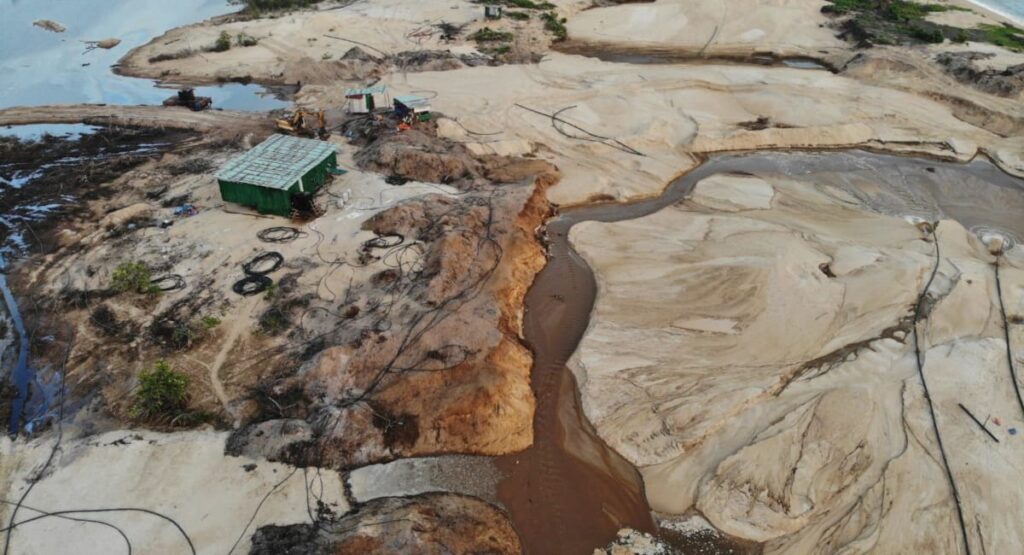
Liberia is signalling a stronger push to tighten oversight of its mining industry and increase the amount of mineral processing carried out within the country, as authorities seek to capture greater economic benefits from natural resources. The approach reflects a wider debate across Africa about whether resource-rich economies can move beyond exporting raw commodities and build industries that create more jobs and retain more value locally.
Mining plays an important role in Liberia’s economy, with iron ore, gold and other minerals contributing to export earnings, government revenue and employment. Yet the benefits of extraction depend on how effectively the sector is regulated, how much value is added domestically and whether local communities share in the economic gains.
The government’s reported commitment therefore raises two connected questions: how Liberia can ensure that mining operations comply with the law, and whether greater local processing can translate into more sustainable development.
Why Mining Oversight Matters.
Effective mining regulation is essential for protecting public revenue, enforcing environmental standards and ensuring that companies meet their legal obligations. Weak oversight can allow illegal extraction, tax evasion, unsafe working conditions and environmental damage to persist, reducing the benefits that mineral wealth should deliver to the wider economy.

For Liberia, stronger monitoring could help authorities improve compliance with mining licences, track production and exports, and ensure that companies fulfil their responsibilities to workers and surrounding communities. Transparent enforcement can also improve investor confidence by creating clearer and more predictable rules for businesses operating in the sector.
Artisanal and small-scale mining presents additional challenges. These activities can provide income for people with limited employment alternatives, but informal operations may lack safety equipment, environmental safeguards and reliable routes to legal markets. Effective regulation must therefore balance enforcement with practical pathways that allow miners to operate legally and safely.
Moving Beyond Raw Mineral Exports.
Many African economies export minerals with limited processing before they are shipped to international markets. Although this generates foreign exchange, it can restrict the economic benefits available from activities such as refining, manufacturing, equipment supply and specialised services.
Liberia could gain more from its mineral resources by developing the infrastructure and skills needed to process a greater share of production domestically. Local processing can create additional employment, strengthen technical expertise and generate business opportunities for transport companies, maintenance providers and other suppliers.
However, building these industries requires substantial investment. Processing facilities depend on reliable electricity, efficient transport, adequate water supplies, skilled workers and access to markets. Without these foundations, local processing may be too expensive to compete with established international facilities.
The challenge is therefore to identify projects that are commercially viable while supporting the country’s wider development priorities.
Ensuring Communities Benefit From Mining.
Mining investment can generate national revenue without necessarily improving living conditions in the communities closest to extraction sites. Residents may face environmental disruption, pressure on local infrastructure and competition for land, while the economic benefits remain concentrated among a relatively small number of companies and workers.
Stronger oversight should include monitoring environmental obligations, enforcing workplace safety and ensuring that community commitments are honoured. Transparent reporting on royalties, taxes and public spending can also help citizens understand how mineral wealth contributes to national development.
Local processing could create further opportunities if Liberian businesses and workers can participate in the resulting supply chains. Training programmes, technical education and support for domestic suppliers would help ensure that new investment develops local capabilities rather than relying entirely on imported expertise.
Can Liberia Turn Mineral Wealth Into Lasting Growth?
Liberia’s reported commitment to tighter mining oversight and domestic processing reflects an important development challenge shared by many African countries. Natural resources can generate substantial revenue, but long-term prosperity depends on how that wealth is managed and whether it supports productive activity beyond extraction.
The government will need to translate its ambitions into clear regulations, credible enforcement and realistic investment plans. It must also ensure that environmental protection, workers’ rights and community interests remain central to mining policy.
Ultimately, success will not be measured simply by how much mineral Liberia extracts or exports. It will depend on whether the industry creates decent jobs, strengthens local businesses, supports public services and contributes to a more diversified economy. If Liberia can combine responsible mining with commercially sustainable local processing, its mineral wealth could become a stronger foundation for long-term economic development.

Comments (0)
No comments yet — be the first to share your thoughts.