

Africa’s Leadership Problem Is Bigger Than Its Presidents.
Across Africa, political debates often revolve around individuals. Elections become contests between personalities, governments are identified with presidents, and national political fortunes can rise or fall with the reputation of one leader.
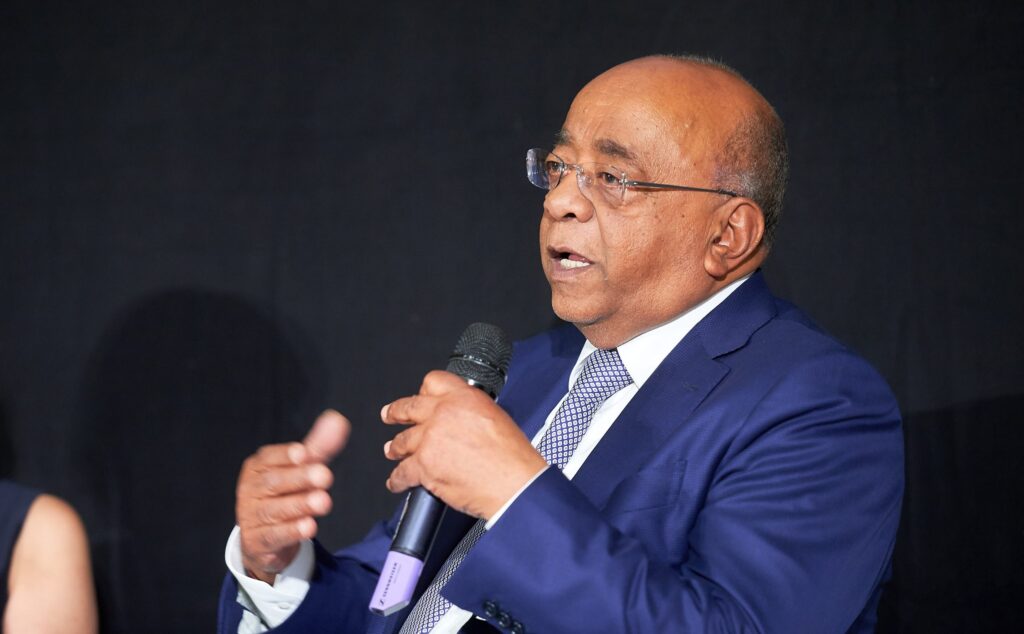
Sudanese-British businessman and philanthropist Mo Ibrahim has spent years pushing a different conversation: Africa needs stronger leadership, but it also needs institutions capable of delivering for citizens regardless of who is in power.
His foundation continues to place governance and leadership at the centre of its work, including through the Ibrahim Index of African Governance, which measures governance performance across all 54 African countries.
The Institution Should Matter More Than the Individual.
A strong president can make important decisions, but no country should depend entirely on the character or competence of one person.

Governments need professional civil services, independent courts, credible electoral institutions, accountable legislatures and regulatory bodies that can function without political interference.
Without those structures, even good leadership can struggle to produce lasting change. When institutions are weak, progress can disappear when political leadership changes.
Africa’s Governance Debate Is Changing.
The Mo Ibrahim Foundation has increasingly focused attention on the relationship between governance, democracy and Africa’s younger population.
A recent Foundation discussion examined what young Africans actually want from democracy, highlighting the growing importance of listening to a generation that will shape the continent’s political future.
This is important because Africa is becoming increasingly youthful, while political institutions in many countries are struggling to maintain the confidence of younger citizens.
Elections Alone Are Not Enough.
Democratic governance cannot be measured simply by whether elections take place. Citizens also need to see whether governments deliver public services, protect rights, manage public finances responsibly and create opportunities for economic participation.
The Ibrahim Index defines governance broadly, including the political, social, economic and environmental goods that citizens have a right to expect from their governments.
That definition is important because democracy becomes difficult to defend when citizens repeatedly experience weak public services, unemployment, corruption or insecurity.
The Danger of Overreliance on Political Personalities.
Africa has produced leaders who have transformed their countries in important ways, but political systems become vulnerable when institutions are built around individuals rather than rules.
A president who strengthens institutions can leave behind a functioning system. A president who weakens them can leave behind a political vacuum that becomes difficult for successors to manage.
This is why the question of leadership should always be connected to the question of institutional strength.
Young Africans Want More Than Political Promises.
Africa’s younger population is increasingly connected through social media and digital platforms, giving citizens new ways to scrutinise governments and organise around political issues.
At the same time, young Africans are demanding jobs, education, security, affordable services and greater participation in decisions that affect their future.
The challenge for governments is therefore no longer simply winning elections. It is convincing citizens that public institutions can actually respond to their expectations.
Africa Needs Leaders Who Build Systems.
The most important measure of an African leader should not only be what happens during their time in office.
It should also be what happens after they leave. Did they strengthen the judiciary? Did they improve public administration? Did they create transparent systems for managing public money? Did they leave institutions capable of functioning without political intervention?
These questions may be less dramatic than political speeches, but they determine whether progress survives changes in leadership.
The Next Generation Must Become Institution Builders.
The Mo Ibrahim Foundation is also investing in developing future African leaders through programmes that provide young professionals with technical and leadership experience. Its 2026 fellows, for example, are being placed within African institutions to contribute to research and policy design.
That approach points to a larger lesson. Africa does not simply need more people capable of winning political positions. It needs professionals capable of building institutions, designing effective policies and managing public systems.
The Real Legacy of Leadership.
Africa’s governance challenge cannot be solved by finding the perfect president. It requires systems that make good governance possible and bad governance more difficult. That means stronger institutions, independent oversight, competent public servants and citizens who are willing to demand accountability.
Mo Ibrahim’s argument remains relevant because Africa’s future should not depend on whether the next leader is exceptional.
The real test is whether the institutions are strong enough to make good governance continue even when exceptional leaders are no longer in office.

Comments (0)
No comments yet — be the first to share your thoughts.