

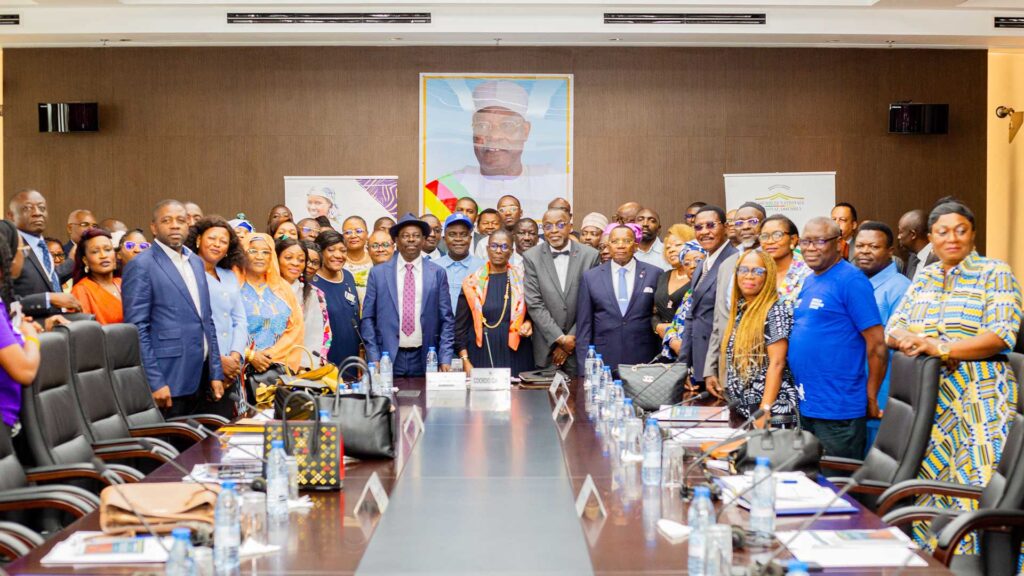
Cameroon’s Parliament is preparing for its final ordinary session of the 2026 legislative year, with lawmakers expected to turn their attention to the 2027 state budget, public spending priorities and the government’s economic commitments. The session is scheduled to open on November 10, with the National Assembly meeting at 11 a.m. and the Senate convening at 4 p.m.
The upcoming session comes at a critical point in the country’s annual budget cycle. Decisions made by lawmakers will help determine how public resources are allocated in 2027, including funding for infrastructure, energy, agriculture, public services and local development. Beyond approving financial proposals, parliamentarians will also be expected to scrutinise government expenditure and examine whether public policies are delivering meaningful results for citizens.
The 2027 Budget Takes Centre Stage.
The most significant task facing lawmakers will be examining and adopting the 2027 Finance Bill. The government’s preliminary economic assumptions provide an indication of the financial environment in which the next budget will be prepared.
According to the budget preparation guidelines published by the presidency, the government is projecting real gross domestic product growth of 3.6 per cent and an inflation rate of 3.2 per cent for 2027. The projections also include an overall budget deficit equivalent to 2.7 per cent of GDP and a current-account deficit of 2.8 per cent of GDP.

These figures will help shape the government’s revenue and expenditure plans, although projections alone do not guarantee that the targets will be achieved. Their credibility will depend on revenue collection, expenditure management, economic performance and the government’s ability to implement its development programmes.
For households and businesses, the key question is how the budget will translate into practical improvements. Increased allocations to infrastructure and public services can support economic activity, but the impact ultimately depends on whether projects are completed, funds are properly managed and essential services become more accessible.
Energy, Agriculture and Infrastructure Among Priorities.
The government’s budget preparation guidelines identify several priorities, including expanding energy supply, restoring the financial balance of the electricity sector, developing transport infrastructure and accelerating the import-substitution programme for agriculture, livestock and fisheries.
Energy remains particularly important for Cameroon’s industrial and commercial ambitions. Unreliable electricity supply can increase operating costs, disrupt production and discourage investment. The budget debate will therefore provide an opportunity for lawmakers to examine how proposed spending and reforms could improve electricity availability and strengthen the sector’s financial sustainability.
Agriculture is another area with implications for employment, food security and import dependence. The government intends to accelerate its integrated import-substitution programme over the 2027–2029 period, with the broader objective of strengthening domestic production. Effective implementation will require more than budget allocations: farmers and agribusinesses also need reliable transport, storage facilities, financing, market access and appropriate production support.
Transport infrastructure will remain important to connecting production centres with consumers and reducing the cost of moving goods. Parliamentarians will have an opportunity to assess whether proposed investments address the country’s most pressing infrastructure gaps and whether projects are supported by realistic implementation plans.
Decentralisation and Local Development Under Scrutiny.
The budget guidelines also emphasise social cohesion and decentralisation, including greater financial autonomy for decentralised local authorities. This issue is important because local councils are responsible for services and development projects that directly affect residents.
However, the effectiveness of decentralisation depends on the resources transferred to local authorities, the timing of those transfers and the capacity of councils to manage public funds. Lawmakers can use the budget process to examine whether local institutions are receiving adequate support and whether funding arrangements allow them to respond to community needs.
For citizens, the significance of decentralisation lies in whether it improves access to services, supports local infrastructure and makes public decision-making more responsive. The coming session will provide another opportunity to assess the gap between policy commitments and implementation.
Parliament’s Oversight Responsibility.
Beyond approving the budget, the National Assembly and Senate have responsibilities to examine legislation and oversee government action. The quality of this work will matter as much as the final budget figures, particularly where public spending involves major infrastructure projects, energy reforms and programmes intended to strengthen domestic production.
Parliamentary scrutiny can help identify implementation problems, question spending priorities and demand explanations from government officials. Its practical impact, however, depends on the depth of examination, the information available to lawmakers and the follow-through on concerns raised during deliberations.
The November session will therefore be an important test of how effectively Parliament balances budget approval with its wider responsibility to scrutinise public policy. The outcome will help define the financial framework for 2027, but the real measure of success will be whether the approved priorities produce visible improvements in economic opportunity, public services and living conditions across Cameroon.

Comments (0)
No comments yet — be the first to share your thoughts.