

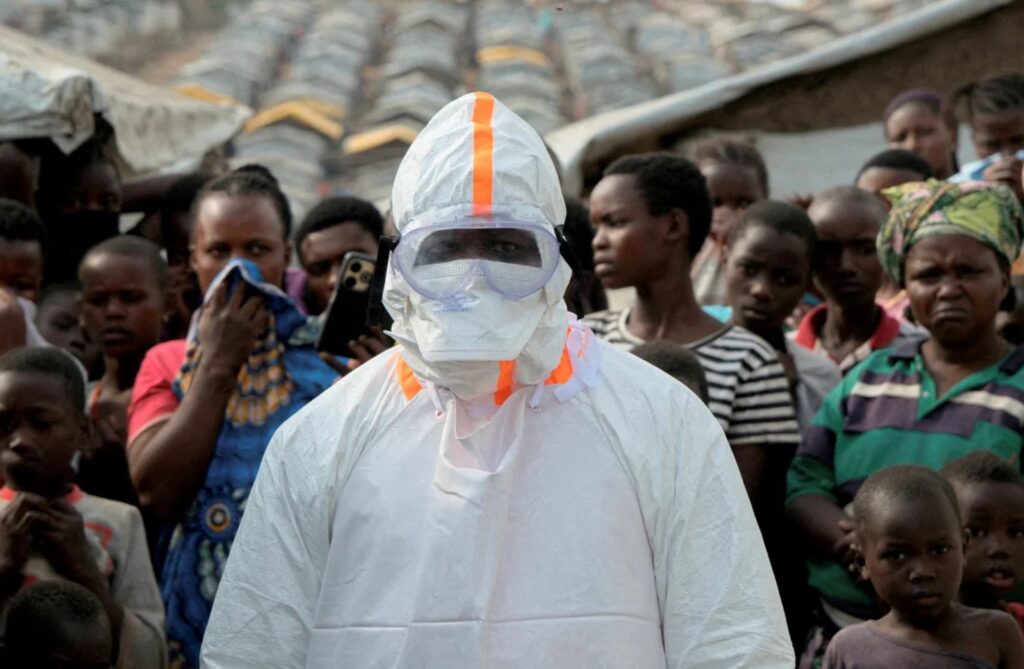
Health authorities across Africa are increasing disease surveillance and emergency preparedness measures following renewed concerns about the risk of Ebola outbreaks in parts of Central Africa. The World Health Organization (WHO) has urged governments to strengthen early detection systems, improve laboratory capacity and maintain rapid response teams to prevent local outbreaks from becoming wider regional health emergencies.
The warning comes as African countries continue to face pressure from recurring infectious disease threats, including Ebola, mpox, cholera and other emerging health challenges. Health experts say stronger preparation remains essential because delays in identifying and responding to outbreaks have historically contributed to higher infection rates and loss of lives.
Lessons From Previous Ebola Outbreaks
Ebola remains one of Africa’s most serious public health challenges, with previous outbreaks demonstrating how quickly the virus can affect communities when response systems are weak.
The largest Ebola outbreak in history occurred in West Africa between 2014 and 2016, affecting mainly Guinea, Liberia and Sierra Leone. The outbreak infected more than 28,000 people and caused over 11,000 deaths, according to WHO figures.

The crisis exposed weaknesses in healthcare systems, particularly shortages of medical personnel, limited laboratory capacity and insufficient emergency response infrastructure.
Since then, African governments and international health organisations have invested heavily in improving surveillance systems and building local expertise to respond faster when cases are detected.
Central Africa Remains a Focus Area
Countries in Central Africa, including the Democratic Republic of Congo (DRC), have experienced repeated Ebola outbreaks over the years.
The DRC has recorded more Ebola outbreaks than any other country, with previous emergencies affecting provinces including North Kivu, Ituri and Équateur.
Health authorities have strengthened response strategies through vaccination campaigns, community education programmes and improved coordination between national health agencies and international partners.
The use of the Ervebo Ebola vaccine, which was approved by health authorities after successful trials, has become one of the most important tools in controlling outbreaks.
Why Early Detection Matters
Health specialists say the biggest factor in controlling Ebola is speed.
The virus spreads through direct contact with infected bodily fluids, meaning that rapid identification of cases, isolation of patients and tracing of contacts can significantly reduce transmission.
Dr Tedros Adhanom Ghebreyesus, Director-General of the WHO, has repeatedly emphasised that strong health systems are the foundation of global health security.
According to WHO, countries with effective surveillance systems are better positioned to identify unusual disease patterns before they become large-scale emergencies.
Africa Strengthens Health Security Systems
Following the COVID-19 pandemic, many African countries have increased investment in public health infrastructure.
The Africa Centres for Disease Control and Prevention (Africa CDC) has been working with governments to improve disease monitoring, laboratory networks and emergency response coordination across the continent.
Africa CDC Director-General Dr Jean Kaseya has consistently called for greater African ownership of health security, arguing that the continent must strengthen its ability to detect and respond to outbreaks without depending entirely on external support.
The organisation has also pushed for increased local production of vaccines, medicines and medical equipment.
The Challenge of Public Awareness
Health experts say community engagement remains one of the most important parts of Ebola prevention.
Misinformation, fear and distrust of healthcare workers have created challenges during previous outbreaks. In some communities, resistance to medical teams delayed treatment and increased the risk of transmission.
Governments and health organisations are therefore placing greater emphasis on working with local leaders, religious groups and community organisations to improve public understanding.
Beyond Ebola: Africa’s Growing Health Challenges
While Ebola remains a major concern, African health systems are also dealing with multiple challenges at the same time.
Recent years have seen increased attention on diseases such as malaria, cholera, mpox and other emerging infections. Climate change, population growth and increased movement across borders are creating new challenges for disease prevention.
Experts argue that strengthening healthcare systems for Ebola also improves preparedness for other health emergencies.
Looking Ahead
The latest health warnings serve as a reminder that disease outbreaks require continuous preparation rather than emergency action only after cases appear.
For Africa, the priority is building stronger healthcare systems, investing in local research and ensuring communities have access to reliable health information.
Although Ebola remains a serious threat, improvements in vaccination, surveillance and emergency response have significantly changed the continent’s ability to manage outbreaks.
The long-term goal, according to health leaders, is not only to respond faster when diseases emerge but to build health systems capable of preventing future crises before they spread.

Comments (0)
No comments yet — be the first to share your thoughts.