

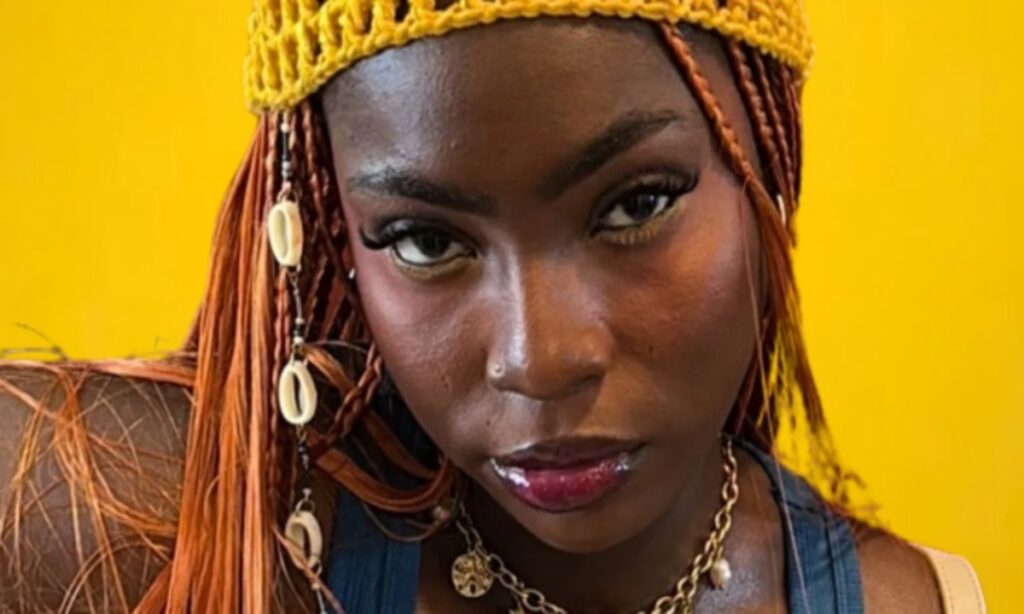
Nigerian singer Solana has reportedly been named Spotify’s EQUAL Africa Artist for October, giving the emerging musician a new opportunity to reach listeners across the continent and beyond. The recognition forms part of Spotify’s wider initiative to increase the visibility of women in music and address the barriers that have historically limited their access to promotion and industry opportunities.
For African artists competing in an increasingly crowded streaming market, visibility can be as important as releasing good music. Playlist placements, editorial promotion and exposure to new audiences can help musicians attract listeners who might otherwise never discover their work. Being featured through a platform-backed programme can therefore provide an important boost, particularly for an artist still building a public profile.
However, recognition is only the beginning. Converting increased attention into sustained listenership, live performances and a stronger fan base requires consistent releases, audience engagement and a clear artistic identity.
What Spotify’s EQUAL Programme Represents.
Spotify launched its EQUAL initiative to support greater gender representation in the music industry. The programme spotlights women artists through editorial playlists, promotional campaigns and other opportunities designed to help their music reach wider audiences.

Its African edition reflects the continent’s expanding influence in global music, particularly as Afrobeats, African pop, gospel and other regional sounds continue to find listeners internationally. Nigerian musicians have played a major role in this growth, benefiting from a combination of digital distribution, social media promotion, international collaborations and a large domestic audience.
Yet women artists continue to face challenges that extend beyond recording and releasing music. Access to financing, industry networks, media attention, live-performance opportunities and long-term management support can affect how far an artist progresses. Initiatives such as EQUAL seek to draw attention to these gaps while giving selected musicians a larger platform.
The Challenge of Turning Visibility Into Success.
A prominent streaming feature can introduce an artist to new listeners, but the long-term impact depends on what follows. Listeners who discover a song through a playlist may move on unless they find a reason to return. Artists must therefore develop ways to turn first-time listeners into loyal fans through regular releases, compelling performances and direct engagement with their audiences.
For Solana, the recognition could create opportunities to strengthen her profile, attract industry partnerships and reach listeners outside Nigeria. The extent of those benefits, however, will depend on the campaign’s reach and her ability to sustain interest beyond October.
The broader music industry also has a role to play. Streaming platforms can create valuable discovery opportunities, but lasting progress requires investment from labels, managers, promoters, broadcasters and event organisers. Women musicians need more than a temporary spotlight; they need structures that support their careers over time.
Nigeria’s Expanding Music Influence.
Nigeria remains one of Africa’s most influential music markets, producing artists whose sounds travel across borders and reach international audiences. Streaming has made it easier for emerging musicians to distribute their work globally, but it has also intensified competition for listeners’ attention.
For newer artists, success increasingly depends on combining strong music with effective promotion, a recognisable identity and the ability to build communities around their work. Platform recognition can help open doors, but it cannot replace the sustained work required to establish a career.
Solana’s reported selection for Spotify EQUAL Africa in October highlights the continuing effort to give women musicians greater visibility. The real measure of its impact will be whether that attention translates into new listeners, stronger industry opportunities and lasting growth. As African music expands internationally, ensuring that women benefit from that growth remains an important challenge for the industry.

Comments (0)
No comments yet — be the first to share your thoughts.