
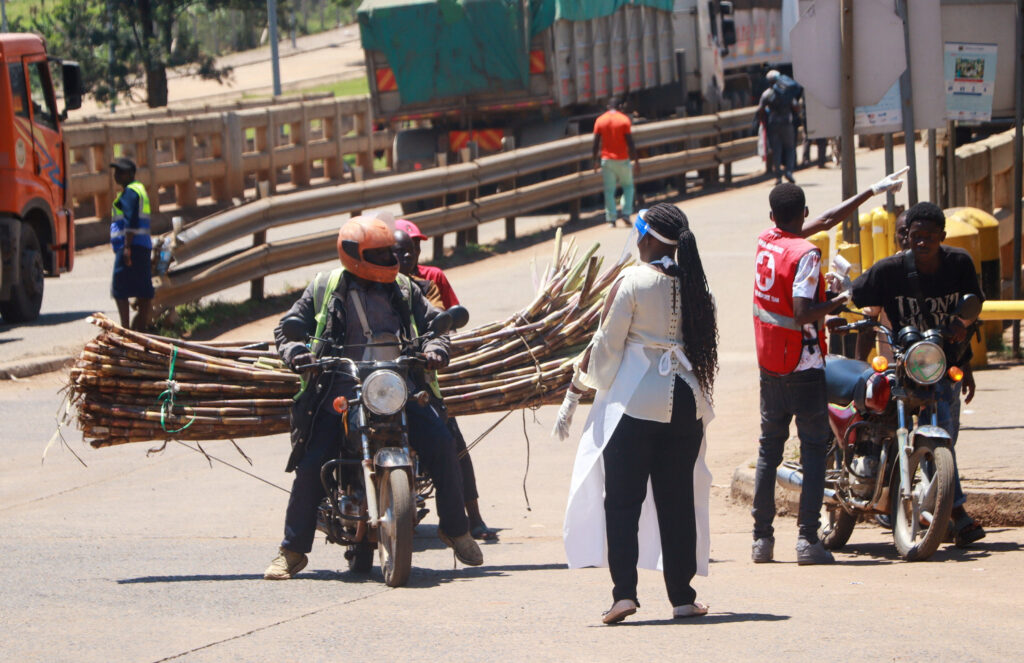
Kenya has reported no new Ebola cases after conducting 293 tests, offering a measure of reassurance as health authorities continue monitoring for possible infections. The results suggest that the country has not identified additional cases through the testing carried out, but continued surveillance remains essential to detect any potential spread early.
For a country that serves as a major transport and commercial hub in East Africa, preparedness for infectious disease outbreaks is particularly important. Kenya’s extensive connections with neighbouring countries and international travel networks mean that health authorities must maintain effective screening, testing and reporting systems whenever a serious disease threat emerges.
The reported test results also highlight the role of laboratory capacity in distinguishing suspected infections from confirmed cases and helping officials make decisions based on evidence.
Why Testing and Surveillance Matter.
Ebola is a severe viral disease that can cause serious illness and death. Transmission generally occurs through direct contact with the blood or bodily fluids of an infected person who is showing symptoms, or through contact with contaminated materials. Early identification, isolation of suspected cases and careful monitoring of contacts are central to preventing transmission.

Testing hundreds of suspected cases or people under investigation can help health authorities determine whether symptoms are linked to Ebola or another illness. However, the significance of 293 negative tests depends on the circumstances: who was tested, whether samples were collected at the appropriate time and whether anyone had a credible exposure to a confirmed case.
A period without newly detected cases is encouraging, but it should not automatically be interpreted as proof that all risk has disappeared. Health officials must continue investigating suspected cases and ensure that healthcare workers can identify symptoms and follow infection-prevention procedures.
Kenya’s Role in Regional Health Security.
Kenya’s position as a regional transport and economic centre makes public-health preparedness important beyond its borders. An outbreak in one country can create concerns for neighbouring states, particularly where people cross borders regularly for trade, work and family reasons.
Effective disease control therefore depends on cooperation among national health authorities, laboratories, hospitals and regional public-health agencies. Sharing accurate information and maintaining clear procedures for referrals and contact tracing can help governments respond more quickly when infections are suspected.
Public communication is equally important. Authorities need to provide timely updates without creating unnecessary panic, while encouraging people to seek medical attention if they develop symptoms after a relevant exposure. Misinformation can undermine trust and discourage people from cooperating with health workers.
What Happens Next?
The immediate priority is to sustain surveillance and ensure that health facilities remain prepared to investigate suspected infections. Authorities must also verify that testing systems, protective equipment and response teams are adequately supported should the situation change.
The absence of new confirmed cases after 293 tests is a positive development, but its broader significance depends on continued monitoring and transparent reporting. Disease outbreaks can evolve quickly, and preparedness is most effective when maintained before a crisis escalates.
For Kenya, the next test will be whether it can sustain vigilance while keeping the public accurately informed. Strong surveillance, reliable laboratory services and regional cooperation remain the foundations of an effective response to Ebola and other infectious disease threats.

Comments (0)
No comments yet — be the first to share your thoughts.