

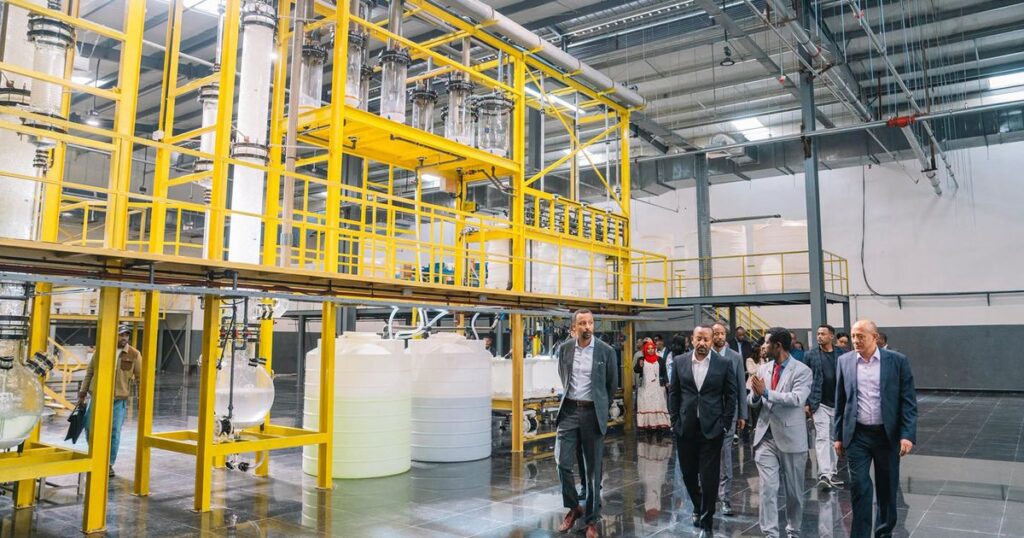
Ethiopia is strengthening its ambition to become more than a supplier of raw minerals with the opening of a gold refinery reportedly valued at $50 million. The project reflects a wider African debate about how resource-rich countries can retain more economic value by processing minerals locally instead of exporting them in their least-processed form.
For Ethiopia, gold has become an important source of foreign exchange as the government seeks to strengthen export earnings and improve the country’s economic position. A domestic refinery could help improve the handling, quality assessment and processing of gold before it enters international markets.
Moving Beyond Raw Mineral Exports.
Across Africa, governments have increasingly argued that exporting raw minerals limits the economic benefits that resource wealth can generate. Processing minerals locally can create skilled jobs, stimulate supporting industries and provide opportunities for domestic businesses to participate in supply chains.
Ethiopia’s refinery could contribute to that objective by strengthening the country’s capacity to process gold within its borders. If it operates efficiently and secures a reliable supply of gold, the facility could support export development and help build expertise in mineral processing.

However, a refinery’s success depends on more than its opening. Ethiopia will need transparent purchasing arrangements, effective regulation, reliable supplies and access to international buyers. It must also ensure that small-scale and artisanal miners can participate in legal markets rather than being pushed towards informal trading networks.
The Economic Test Ahead.
A refinery can strengthen export capacity, but it cannot independently resolve Ethiopia’s wider economic challenges. Foreign-exchange pressures, infrastructure costs and the need for investor confidence remain important considerations for the country’s industrial ambitions.
The project also raises a broader question about how African governments measure the benefits of resource extraction. Export earnings are important, but so are local employment, tax revenue, skills development and the growth of businesses that supply or support the industry.
If Ethiopia can connect gold production with refining, responsible sourcing and competitive export marketing, the facility could become part of a wider strategy to retain more value at home. That outcome will depend on sustained investment and sound management rather than the headline value of the project alone.
Can Ethiopia Build a Stronger Gold Industry?
Ethiopia’s move reflects a wider continental push to capture more value from natural resources. Similar ambitions across Africa have focused on processing minerals locally, developing industrial capacity and reducing dependence on exports of unprocessed commodities.
Yet local processing is not automatically profitable. Governments and investors must consider electricity supply, operating costs, environmental safeguards and the availability of skilled workers. Strong oversight is also essential to prevent illegal mining and ensure that resource development benefits communities.
For Ethiopia, the refinery’s long-term significance will be measured by the value it adds to the economy. If it creates sustainable jobs, supports legitimate miners and improves export capacity, it could mark a meaningful step towards a more developed domestic gold industry. The larger challenge is turning mineral wealth into lasting economic opportunity for Ethiopians.

Comments (0)
No comments yet — be the first to share your thoughts.