
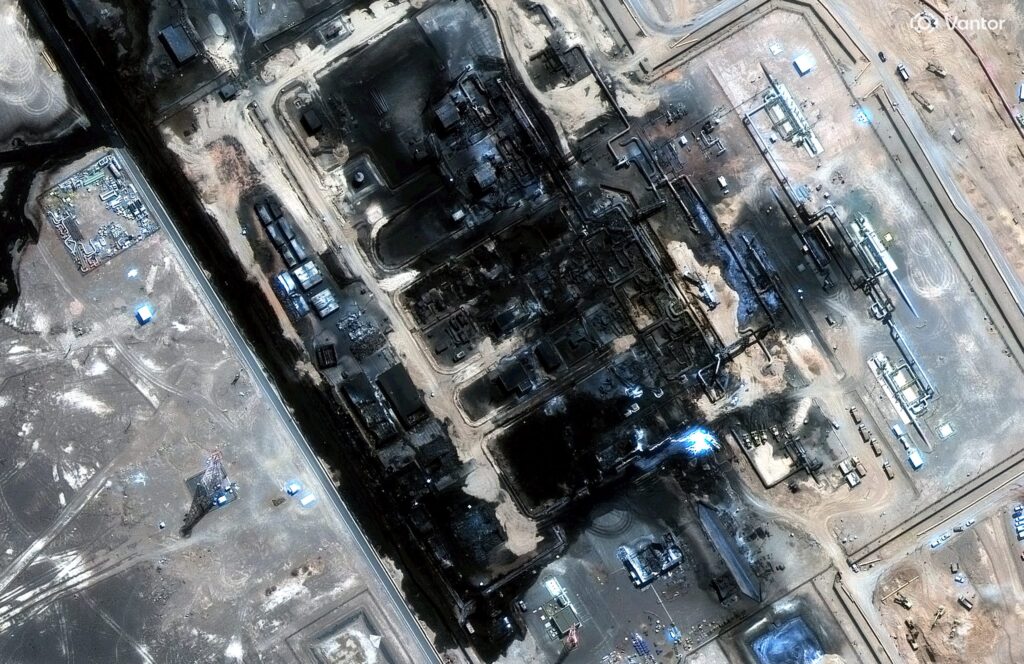
Nigeria is emerging as one of the crude suppliers drawing renewed attention from international refiners as disruptions to Saudi oil exports tighten the availability of some Middle Eastern crude grades. The disruption has forced European buyers to reassess supply options as uncertainty grows over the reliability of some traditional Middle Eastern deliveries.
The development is creating an opening for West African producers because Nigerian crude is already familiar to European refineries and several Nigerian grades are well suited to producing fuels demanded by European markets.
The shift is also taking place as global oil markets respond to concerns about prolonged disruptions to Middle Eastern supply routes.
Saudi Supply Problems Are Changing The Buying Pattern.
Saudi Arabia remains one of the world’s most important oil suppliers, meaning any significant disruption to its export system can quickly affect international refinery planning.

Reports of disruptions affecting Saudi oil flows have pushed refiners and traders to examine alternative sources, particularly crude that can reach Europe without depending on the same Middle Eastern supply routes.
The Atlantic Basin therefore becomes increasingly important when European refiners need replacement barrels. Producers in West Africa, including Nigeria, can potentially benefit from that geographical advantage.
Why Nigerian Crude Matters To Europe.
Nigeria produces a range of light and medium crude grades that are attractive to refiners because of their characteristics and established trading relationships with European buyers.
When supply from traditional Middle Eastern sources becomes less predictable, refiners can turn toward Atlantic Basin suppliers, including Nigeria, because cargoes can reach European markets without relying on the same Middle Eastern shipping routes.
The current situation therefore puts Nigeria in a strategically useful position. The country is not replacing Saudi Arabia as a supplier, but its crude becomes more valuable to buyers looking to diversify their sources during a period of supply uncertainty.
Nigeria Is Entering The Moment With A Larger Refining Industry.
The crude story is also unfolding at a time when Nigeria’s position in the global oil market is changing.
The Dangote Refinery has become an increasingly important part of the country’s petroleum industry and has itself become more closely connected to European fuel markets. The refinery has supplied significant volumes of refined products to Europe, adding another dimension to Nigeria’s relationship with the European energy market.
Nigeria is therefore becoming both an important source of crude and an increasingly visible supplier of refined petroleum products.
That could give the country greater relevance as European energy companies look to diversify their supply chains.
European Refiners Are Looking For Flexibility.
The immediate concern for European refiners is not simply price. It is whether they can secure the right crude grades, in sufficient volumes, without exposing their operations to increasingly unstable shipping routes.
The Middle East disruption has already encouraged refiners and traders to examine inventories and alternative suppliers. Nigerian crude offers one potential Atlantic Basin alternative, although Nigeria is competing with other producers for the same European demand.
For European buyers, Nigerian barrels therefore represent part of a wider diversification strategy rather than a complete replacement for Middle Eastern supplies.
The Opportunity Comes With A Warning For Nigeria.
Higher international demand for Nigerian crude can provide an opportunity for producers and the wider Nigerian oil industry, particularly if supply disruptions persist.
But Nigeria must still contend with its own production constraints, pipeline problems and crude theft, which have historically affected the amount of oil available for export.
There is also a distinction between attracting temporary demand during a global supply shock and securing long-term market share. European refiners may increase purchases from Nigeria while Middle Eastern supplies are disrupted, but their buying decisions will continue to depend on price, crude quality, shipping costs and the reliability of future deliveries.
Nigeria’s Oil Is Suddenly Part Of A Bigger Security Story.
The current disruption shows how quickly a problem in one producing region can reshape demand thousands of kilometres away.
Saudi Arabia remains a major force in global oil supply, but when its export routes are disrupted, refiners immediately begin searching for alternative barrels. Nigeria’s location on the Atlantic and its established relationships with European buyers give its crude a natural role in that adjustment.
For Nigeria, the immediate opportunity is that a tighter Middle Eastern supply environment can increase international interest in its crude. The longer-term question will be whether Nigerian producers can consistently deliver enough reliable barrels to turn a temporary European buying shift into a more durable position in the global crude market.

Comments (0)
No comments yet — be the first to share your thoughts.