
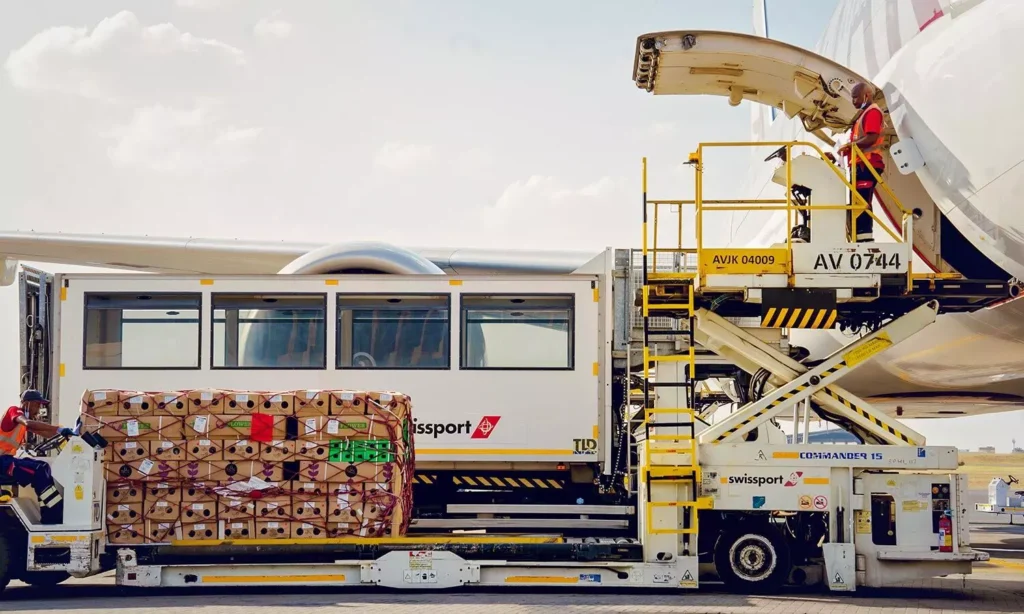
Kenya is opening its electronic cargo tracking market to private operators in a major change to the way goods moving under customs control are monitored across the region. The Kenya Revenue Authority has approved 15 private vendors to supply electronic tracking seals, ending its previous exclusive control over the system and giving importers, exporters, transporters and logistics companies a choice of providers.
The change is expected to reshape cargo monitoring along some of East and Central Africa’s most important trade corridors. Goods passing through the Port of Mombasa toward Uganda, Rwanda, Burundi, South Sudan, eastern Democratic Republic of Congo, Tanzania, Ethiopia and Somalia will be affected by the new system.
Why Kenya Is Changing The System.
Under the previous arrangement, electronic tracking seals were supplied under a government-controlled model. The new framework moves Kenya toward a multi-vendor system in which approved private companies can provide the tracking devices directly to users under commercial agreements.
The KRA has said government-owned electronic seals will be phased out by October 26, 2026. After that date, cargo under customs control will be monitored using devices supplied by the approved private vendors.

For businesses, the change means that electronic cargo monitoring will no longer depend on a single supplier. Importers, exporters, clearing and forwarding agents, transporters and bonded warehouse operators will be able to select among approved providers.
Mombasa Is At The Centre Of The Reform.
The decision comes as Kenya’s main port handles increasingly large volumes of cargo destined not only for the domestic market but also for landlocked economies across the region.
Mombasa handled a record 45.45 million tonnes of cargo in 2025, up from 40.99 million tonnes in 2024. Transit cargo increased by 19.5 percent to 15.88 million tonnes, while container traffic reached 2.11 million TEUs.
Uganda is the largest destination for transit cargo moving through Mombasa, followed by South Sudan, the Democratic Republic of Congo, Rwanda and Tanzania. This makes the efficiency of Kenya’s customs and cargo-monitoring systems important well beyond Kenya’s borders.
The Bigger Goal Is Faster Cargo Movement.
Electronic tracking seals are used to monitor the movement of goods from ports and other customs-controlled facilities until they leave Kenya or reach their final destination.
The system gives customs authorities visibility over cargo travelling along approved routes, helping them identify deviations and monitor goods that remain under customs control. Kenya’s decision to introduce multiple suppliers is therefore not simply a commercial reform; it is also intended to make the monitoring process more flexible as trade volumes increase.
The reform also comes alongside other efforts to modernise Kenya’s customs system. The Kenya Revenue Authority has been introducing digital customs platforms intended to improve cargo security, facilitate trade and reduce administrative bottlenecks.
Private Operators Will Now Compete For Cargo Business.
The introduction of 15 approved vendors creates a new market around cargo-monitoring technology.
Under the new arrangement, users will have the ability to choose a provider instead of relying on one government-controlled source. The KRA has said the relationship between approved vendors and users will operate through private commercial agreements.
That could create pressure on providers to compete on reliability, service quality and the ability to integrate their systems with customs operations.
For logistics companies, however, the key question will be whether the new model actually reduces delays and administrative complications rather than simply changing who supplies the tracking equipment.
The Regional Impact Could Be Significant.
Kenya’s position as a gateway to several landlocked economies means changes at Mombasa can affect businesses far beyond the port itself.
A faster and more predictable cargo-monitoring system could benefit companies moving goods through Kenya into Uganda, Rwanda, Burundi, South Sudan and the eastern DRC. At the same time, the transition will require transporters and other customs users to adapt to the new rules before the government seals are phased out.
The reform therefore represents a significant change in Kenya’s trade infrastructure. If the multi-vendor system works as intended, cargo tracking could become more competitive while giving customs authorities a broader technological base for monitoring one of East Africa’s most important trade corridors.

Comments (0)
No comments yet — be the first to share your thoughts.