

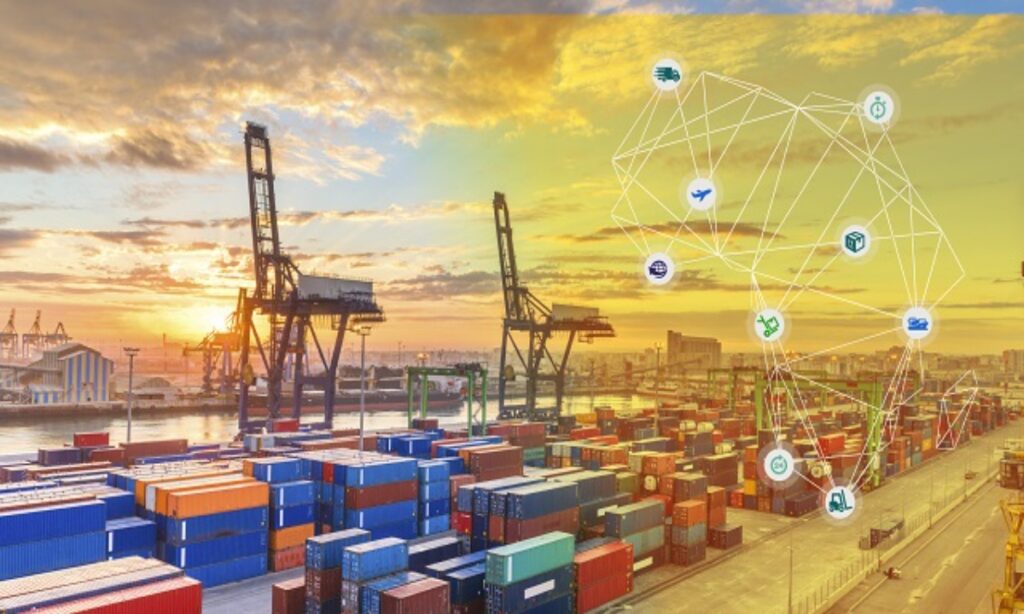
For more than two decades, the African Growth and Opportunity Act has represented one of the most important economic links between the United States and Africa. But now that AGOA has been extended to December 31, 2028, the bigger question is no longer whether African countries should welcome the extension. The more important question is whether Africa should continue approaching American trade preferences as a solution to its development challenges, or whether the continent should finally use the next two years to build a stronger trading system of its own.
The latest extension was welcomed by many African and American stakeholders. The U.S. Senate approved it by 90 votes to six, while the House passed it by 370 votes to 48. WTO Director-General Ngozi Okonjo-Iweala was among those who welcomed the continuation of the programme, while the Corporate Council on Africa described the extension as important for maintaining commercial opportunities between the two sides.
But there is a danger in celebrating the extension without asking why AGOA has produced such uneven results over the years. Africa has gained access to the American market, but many African economies have remained heavily dependent on exporting commodities, while the continent continues to import finished products that could potentially be manufactured locally.
That contradiction should now be at the centre of the conversation.

Is Africa Still Thinking Too Small About Trade?

Ghanaian economist Professor Godfred Bopkin has argued that African countries need to use the African Continental Free Trade Area to move businesses from local markets into continental and eventually global markets. His argument is important because Africa cannot realistically build strong global companies if its businesses remain trapped within fragmented national markets.
The argument is even more powerful when viewed alongside Ngozi Okonjo-Iweala’s broader position on African trade. The WTO chief has repeatedly called for faster implementation of AfCFTA and stronger African value chains, pointing to the contradiction of African countries finding it more difficult and expensive to trade with one another than with markets outside the continent.
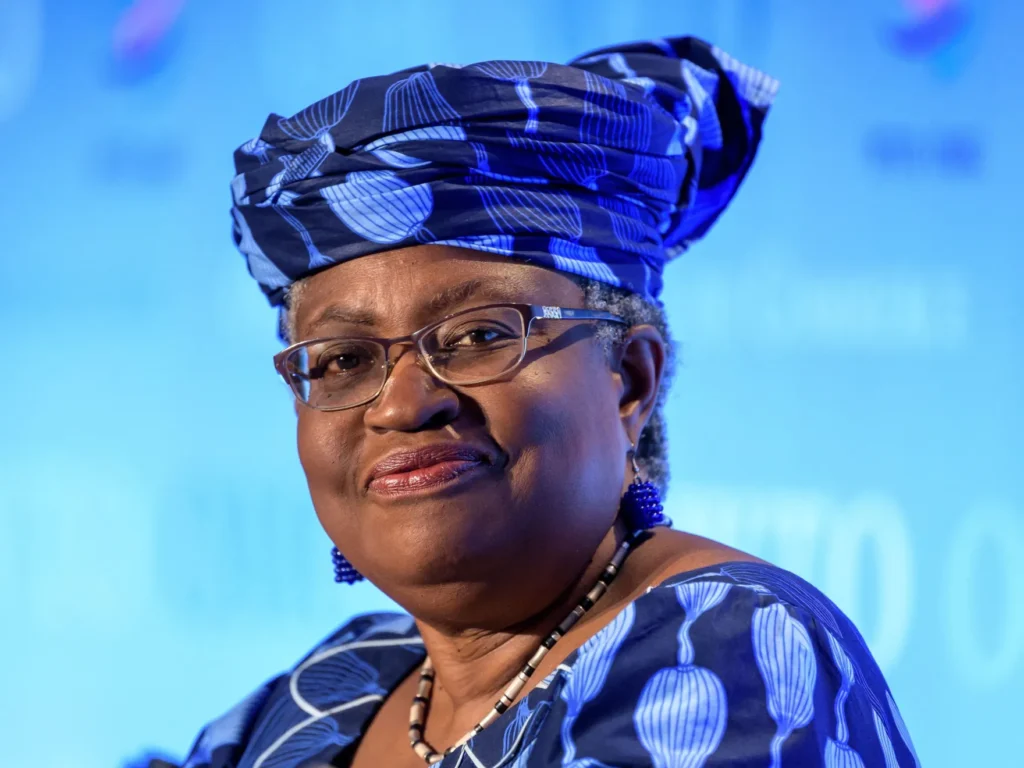
That is perhaps the fundamental problem with the AGOA debate. Africa often discusses access to Europe, America or Asia before asking whether African producers can successfully sell to consumers in neighbouring countries.
If a manufacturer in Cameroon cannot efficiently transport goods to Nigeria, or a producer in Ghana struggles to reach markets in Côte d’Ivoire and Senegal, then preferential access to the United States alone cannot solve the structural problem.
What Does Dangote’s Experience Tell Africa?
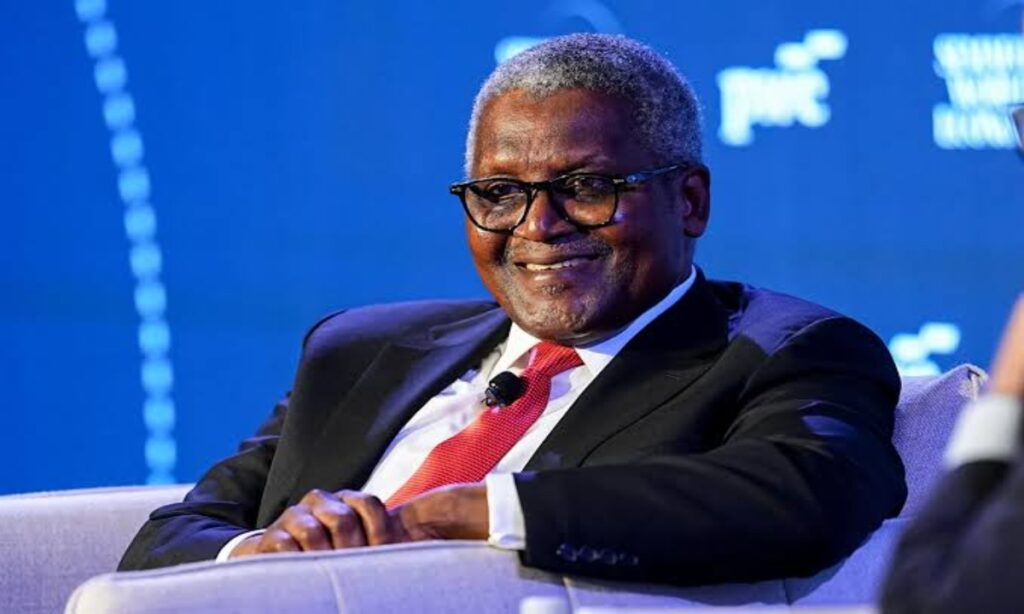
Few African businessmen have made a stronger argument for industrialisation than Aliko Dangote.
Dangote has repeatedly argued that Africa needs to move beyond exporting raw materials and instead build industries capable of processing those resources on the continent. His own business strategy has been built around that philosophy, from cement and fertiliser to petrochemicals and refining.
That philosophy has become particularly visible through the Dangote Refinery. Rather than exporting crude oil and importing refined petroleum products, the project represents an attempt to keep more of the value chain inside Africa.
For Dangote, the broader issue is not simply whether Africa can sell more products abroad. It is whether African economies can produce enough of those products in the first place.
His position challenges the idea that Africa’s biggest economic problem is simply a lack of foreign buyers. In many cases, the problem is that Africa does not produce enough finished goods to sell.
The continent has the minerals, agricultural products, energy resources and human capital. What it often lacks is the industrial infrastructure required to turn those resources into competitive products.
Can AGOA Still Transform African Economies?
There is a strong argument that AGOA remains useful.
For African exporters, access to one of the world’s largest consumer markets is valuable. The programme has supported industries such as apparel and created opportunities for countries capable of developing export-oriented manufacturing. Its continuation also gives businesses greater certainty at a time when global trade is becoming increasingly unpredictable.
Ngozi Okonjo-Iweala herself welcomed the extension, saying she hoped it would stimulate mutually beneficial and greater Africa-U.S. trade. That position matters because AGOA remains a valuable bridge between African producers and the American market.
But the evidence also shows that AGOA’s impact has been uneven. Analysts have argued that although Africa has changed dramatically since AGOA was introduced in 2000, the programme’s promise of market access and industrial diversification has not been achieved equally across the continent.
That should not necessarily be interpreted as a failure of AGOA alone. African governments also have to accept responsibility.
Trade preferences cannot build factories where governments have failed to provide reliable electricity. They cannot create efficient ports where customs systems remain slow. They cannot build roads, railways or digital payment infrastructure. And they cannot force African businesses to become globally competitive.
Those are domestic and continental responsibilities.
What Does Okonjo-Iweala’s Position Mean for Africa?
The significance of Ngozi Okonjo-Iweala’s position is that she does not present African development as a choice between global trade and African integration.
Africa should therefore avoid presenting the choice as either AGOA or AfCFTA. The smarter strategy is both.
African businesses should be able to sell more effectively within Africa while simultaneously using continental production networks to reach American, European, Asian and Middle Eastern markets.
In other words, AGOA should become a destination for competitive African production, not the foundation upon which African production depends.
What Are African Businesses Asking Governments to Do?
The private sector’s concerns are equally important.
Nigerian-American Chamber of Commerce President Sheriff Balogun has argued that Nigeria needs to strengthen non-oil exports and remove the bottlenecks preventing businesses from competing internationally. That position reflects a wider problem across the continent: governments often speak about exports while businesses struggle with infrastructure, financing, logistics, regulation and inconsistent policies.
Africa cannot tell entrepreneurs to become global exporters while making it unnecessarily expensive to manufacture, transport and finance products at home.
This is where the political conversation around AfCFTA must become more practical. Governments need to stop treating continental integration simply as a diplomatic achievement and start treating it as an economic infrastructure project.
Is Africa Ready to Own More of Its Trade?
The most important shift may therefore be psychological.
For decades, African economic discussions have often focused on how foreign investors can come to Africa, how African products can gain access to foreign markets and how international partners can finance African development.
Those questions remain important. But Africa should increasingly ask a different set of questions.
Who owns the factories? Who controls the logistics? Who processes the minerals? Who finances the companies? Who owns the intellectual property? Who provides the technology? Who controls the payment systems? And how much of the value created from Africa’s resources actually remains within African economies?
Aliko Dangote’s industrial expansion provides one example of what answering those questions differently could look like. His model is not perfect, and his dominance in several Nigerian industries has itself generated debate about competition and market power. But the industrial question his investments raise is difficult to ignore: Africa cannot remain primarily a supplier of raw materials while expecting to capture the greatest economic value from global trade.
The wider lesson is that Africa cannot depend on a handful of large industrialists to solve a continental problem. It needs thousands of manufacturers, technology companies, agricultural processors, logistics firms, financial institutions and exporters operating across national borders.
The Real Test Begins Before 2028.
The extension of AGOA to the end of 2028 should therefore not be treated as a victory that allows Africa to return to business as usual.
It should be treated as a deadline.
By 2028, African countries should be able to demonstrate that they have increased the amount of value they add to their exports, expanded intra-African trade, improved regional infrastructure and built stronger companies capable of competing beyond their national borders.
The United States also has a role to play. Washington should recognise that Africa is not simply a source of commodities or a destination for American goods. A stronger African manufacturing base creates new markets for American technology, finance, machinery, services and investment.
That means the future of U.S.-Africa trade should be built around partnership rather than dependency.
Africa does need access to America. It needs access to Europe, Asia and the Middle East as well. But the ultimate objective should be different: an Africa capable of negotiating with all of them from a position of economic strength.
The question, then, is not whether AGOA should continue. It already has.
The real question is whether Africa will use the remaining years of AGOA to become more dependent on access to foreign markets—or to become strong enough to compete in those markets on its own terms.

Comments (0)
No comments yet — be the first to share your thoughts.