

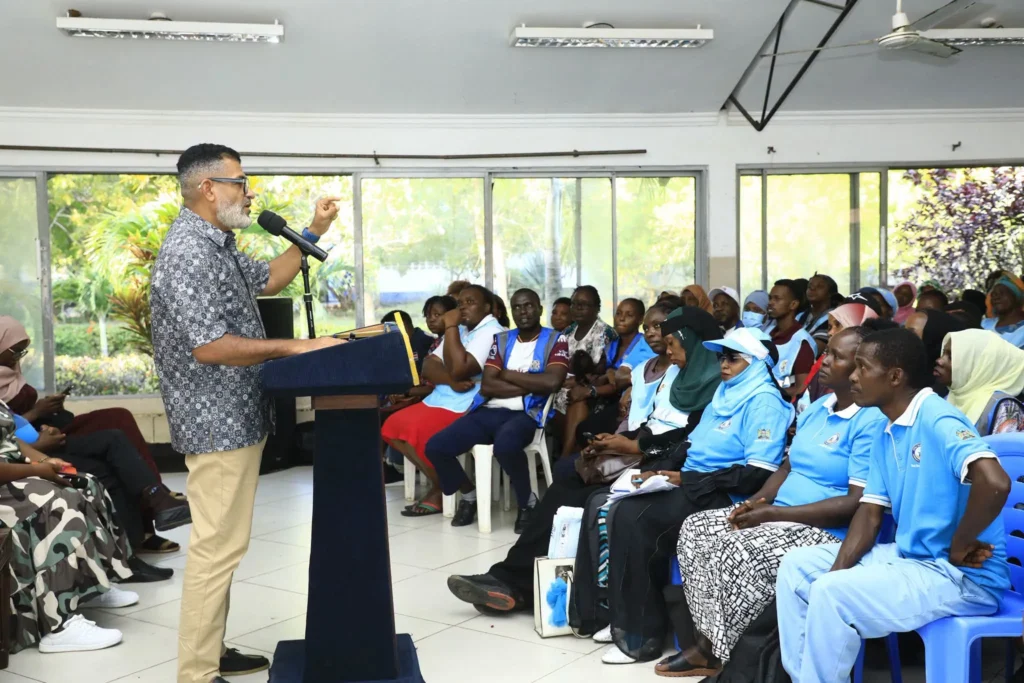
Mombasa County has appointed 286 new nurses to strengthen its public healthcare system, providing additional capacity to hospitals still dealing with the disruption caused by Kenya’s recent nationwide nurses’ strike. The appointments come as health facilities work to restore normal services and clear the pressure that accumulated during weeks of industrial action.
The new nurses have been assigned to facilities including Coast General Teaching and Referral Hospital, Port Reitz Hospital and Likoni Subcounty Hospital, all of which were affected by the prolonged dispute. The recruitment gives Mombasa an opportunity not only to restore staffing levels but also to address some of the deeper workforce pressures exposed by the strike.
The development is significant because Kenya’s healthcare crisis has moved beyond the question of whether nurses would return to work. The bigger challenge is now whether public hospitals have enough staff, resources and organisational capacity to provide reliable services after the disruption.
Mombasa Moves to Strengthen Its Hospitals.
Mombasa Governor Abdulswamad Nassir issued appointment letters to the 286 nurses as part of efforts to improve service delivery across the county. The recruitment is expected to ease pressure on facilities where nurses play a central role in patient care and hospital operations.

The timing is particularly important because hospitals have been dealing with cases that accumulated during the strike. Patients who postponed treatment, clinics that operated with reduced capacity and departments affected by staffing shortages have all added pressure to the healthcare system.
Bringing additional nurses into the workforce could therefore help hospitals deal with both routine services and the backlog created during the industrial dispute.
The Strike Exposed Kenya’s Staffing Problem.
Kenya’s 43-day nurses’ strike ended last week after the Kenya National Union of Nurses and Midwives reached a return-to-work agreement with the Council of Governors. The dispute centred largely on the implementation of a 2017 collective bargaining agreement and other employment conditions.
The strike had consequences far beyond the nurses involved. Public hospitals across the country experienced significant disruption, while doctors warned that they were carrying additional workloads because of the absence of nursing staff.
The dispute therefore highlighted a structural problem within Kenya’s public healthcare system: staffing shortages can quickly become a national service-delivery crisis when one category of healthcare workers withdraws its services.
More Nurses Could Mean Better Patient Care.
For patients, the most immediate benefit of the Mombasa recruitment should be greater access to healthcare workers in facilities that serve large populations.
Nurses are responsible for many of the day-to-day functions that keep hospitals operating, from monitoring patients and administering treatment to supporting emergency care, maternity services and outpatient departments. Additional personnel can reduce pressure on existing staff and allow facilities to handle more patients.
The move could also improve working conditions for nurses already employed in the county. Excessive workloads can contribute to fatigue and burnout, particularly in busy referral hospitals where staff shortages are more difficult to absorb.
Mombasa’s recruitment therefore represents both a service-delivery intervention and a response to a workforce challenge that became highly visible during the strike.
The Bigger Question Is Sustainability.
Recruiting 286 nurses can strengthen Mombasa’s healthcare system, but the long-term challenge will be maintaining adequate staffing levels while ensuring that newly recruited workers have the equipment, facilities and support necessary to do their jobs effectively.
More workers alone cannot solve every problem facing public hospitals. Healthcare facilities also require medicines, functioning equipment, adequate financing, reliable infrastructure and effective management.
The county government has also pledged to address issues including timely salary payments, promotions and clearer career progression for healthcare workers. Those commitments will be important if Mombasa wants to retain the nurses it has recruited rather than repeatedly losing experienced professionals to better opportunities elsewhere.
Kenya’s Healthcare Debate Has Entered a New Phase.
The end of the national nurses’ strike removed one immediate threat to Kenya’s public healthcare system, but it did not eliminate the underlying problems that triggered the dispute.
The 45-day period agreed between nurses and county governments to continue negotiations over the outstanding collective bargaining agreement will now be closely watched. The government and health workers have an opportunity to address the issues before another industrial dispute develops.
Mombasa’s decision to recruit additional nurses shows that some county governments are already responding to the lessons of the crisis. It also demonstrates how labour disputes can expose wider weaknesses in essential public services.
For thousands of patients, however, the most important measure will be simple: whether hospitals become faster, better staffed and more reliable.
The arrival of 286 new nurses is an important step, but Kenya’s healthcare system will need sustained investment if the country is to prevent another staffing crisis from once again disrupting access to essential medical care.

Comments (0)
No comments yet — be the first to share your thoughts.