
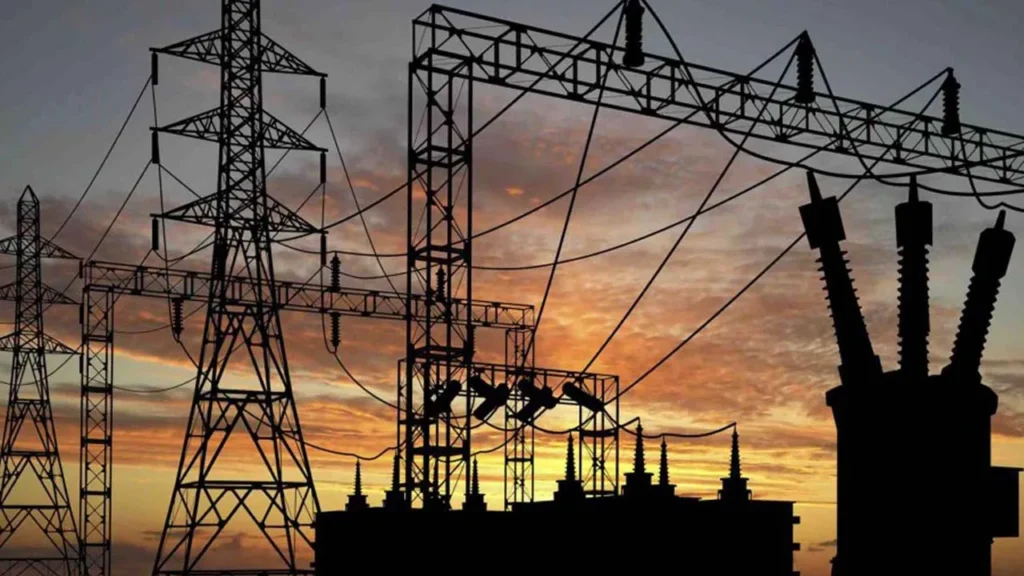
Nigeria’s ambitious electricity reforms are facing a major investment challenge, with state electricity markets struggling to attract the billions of dollars needed to expand generation, transmission and distribution infrastructure. New analysis shows that concerns over payment security, regulatory uncertainty and the financial strength of state governments are making investors increasingly cautious.
The challenge comes after Nigeria’s Electricity Act 2023 gave states greater authority to establish and regulate their own electricity markets. The reform was designed to encourage more private investment, improve electricity supply and allow states to develop power solutions based on their individual needs.
Investors Remain Cautious About Nigeria’s Electricity Market.
Despite the reforms, investors remain concerned about whether state electricity markets can generate reliable and predictable returns. Payment security, tariff structures, regulatory responsibilities and the creditworthiness of state governments are among the issues affecting investment decisions.
The problem is significant because Nigeria needs substantial private capital to modernise its power sector. Without stronger financial structures, new electricity projects could struggle to secure the long-term financing required for construction and operation.

Electricity Reform Creates New Opportunities for States.
The decentralisation of Nigeria’s electricity market has nevertheless opened a new investment opportunity for state governments. Several states are already taking control of their electricity markets and developing regulatory frameworks to attract private power developers.
According to the Nigerian Electricity Regulatory Commission, 15 states had transitioned to regulating their own electricity markets by the beginning of 2026. The transition is intended to create more competitive local electricity markets and encourage investment in generation and distribution.
Edo State, for example, has now assumed regulatory control of its intrastate electricity market, marking another step in Nigeria’s broader electricity decentralisation process.
Reliable Electricity Remains Critical to Nigeria’s Economy.
The investment challenge comes as businesses and households continue to deal with unreliable electricity supply and high energy costs. Many companies have been forced to rely on diesel and gas-powered generators, increasing operating costs and reducing competitiveness.
For Nigeria’s industrial sector, stronger electricity supply could significantly improve productivity. Manufacturing companies, technology businesses, hospitals and small enterprises all require dependable power to operate efficiently.
The government has therefore been trying to make the Nigeria power sector more attractive to investors through financial reforms, improved regulation and new financing mechanisms.
Bankability Is the Next Major Test.
The central issue for investors is increasingly bankability. A power project may have strong demand and government support, but investors still need confidence that electricity customers will pay, tariffs will reflect costs and contracts will be enforced.
The latest concerns suggest that Nigeria’s electricity reforms will require more than transferring regulatory authority from the federal government to the states. States will also need strong institutions, credible electricity regulators, transparent tariff systems and financially sustainable distribution companies.
Nigeria’s power sector also needs investment in metering and data systems to reduce losses and improve revenue collection. These factors will be critical to convincing banks, pension funds and international investors to provide long-term financing.
Nigeria Needs Private Capital to Fix Its Power Problem.
The government cannot finance the transformation of Nigeria’s electricity market alone. Private investment will be essential if the country is to expand power generation, strengthen distribution networks and improve electricity access.
Nigeria’s energy transition plan estimates that achieving its long-term power and climate objectives will require hundreds of billions of dollars in investment, highlighting the scale of the financing challenge ahead.
Nigeria’s electricity reforms have created a new framework for state-led power markets, but attracting investment remains the biggest test. If the government and state authorities can improve payment security, regulatory clarity and project bankability, the decentralised electricity market could unlock significant private capital. Without those improvements, Nigeria’s power sector risks having ambitious reforms without the investment needed to turn them into reliable electricity for businesses and households.

Comments (0)
No comments yet — be the first to share your thoughts.