

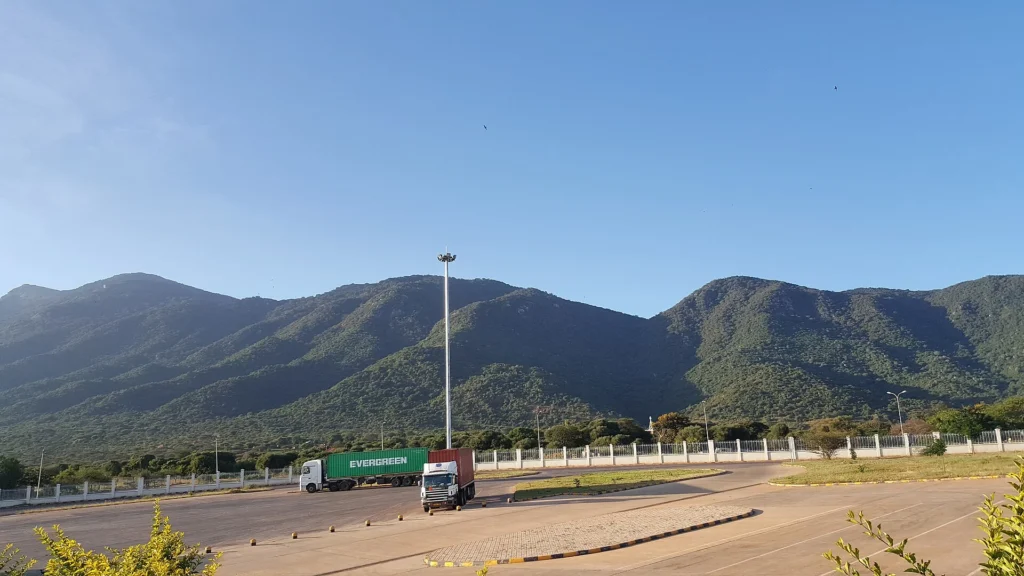
Regional Integration Faces Fresh Test as EAC Deadline Lapses.
Tanzania has emerged as the biggest source of unresolved non-tariff barriers within the East African Community, accounting for 39 percent of the trade restrictions currently affecting businesses across the regional bloc, according to the latest findings of the EAC Regional Monitoring Committee.
The findings come after an EAC deadline for member states to eliminate outstanding non-tariff barriers expired on June 30, 2026, without all the reported restrictions being resolved. The issue is raising renewed concerns about the effectiveness of East Africa’s regional integration and its ambition to create a genuinely free market for goods and services.
Tanzania Faces Growing Pressure.
The Regional Monitoring Committee identified Tanzania as responsible for the largest share of unresolved barriers. Among the measures highlighted are an industrial development levy affecting Kenyan tractors, excise duties on Kenyan chocolate and paint products, and a 35 percent Common External Tariff applied to Zesta jam imported from Kenya.
The restrictions are particularly significant because Kenya and Tanzania are among the region’s largest economies and important trading partners. Businesses argue that such measures increase costs, delay shipments and make it more difficult for manufacturers and traders to access neighbouring markets.

Trade Within the EAC Remains Low.
The persistence of non-tariff barriers is particularly concerning because intra-EAC trade remains relatively limited, accounting for only about 15 percent of total trade, according to the Regional Monitoring Committee. The bloc has repeatedly pledged to remove obstacles that prevent goods from moving freely between member states.
The EAC’s own framework requires member states to remove existing non-tariff barriers and refrain from introducing new ones. The bloc has established national and regional monitoring committees to identify and resolve such restrictions.
Businesses Bear the Cost.
For businesses operating across East Africa, the problem goes beyond tariffs. Administrative requirements, special levies, licensing procedures and other restrictions can make it significantly more expensive to move products between countries.
The situation has also raised concerns that smaller businesses and cross-border traders are bearing the greatest burden because they have fewer resources to navigate complicated regulations or challenge restrictive policies.
Regional Ambitions Under Pressure.
The latest figures present a difficult test for the EAC as it seeks to deepen economic integration and build stronger regional value chains. Eliminating trade barriers is central to that ambition, particularly as African countries attempt to use regional markets to expand manufacturing and reduce dependence on imported goods.
Tanzania’s position in the latest assessment could therefore place additional pressure on Dodoma to address the restrictions identified by the regional monitoring process.
The EAC was created to make trade between East African countries easier, not harder. With Tanzania accounting for the largest share of unresolved trade barriers and the June deadline already missed, regional leaders now face a credibility test: whether they can turn repeated commitments to free trade into practical changes that businesses and consumers can actually feel.

Comments (0)
No comments yet — be the first to share your thoughts.