
Government Rejects Proposal to Swap Strategic Assets for Domestic Liabilities.
Egypt’s government has firmly rejected suggestions that the Suez Canal could be transferred, mortgaged or exchanged to help settle part of the country’s domestic debt. The Cabinet said Monday that the proposal circulating in Egyptian media and on social platforms was a personal opinion and did not represent government policy.
The controversy emerged after a public figure suggested that Egypt could transfer ownership of certain state assets to the Central Bank of Egypt in exchange for reducing government liabilities. The Suez Canal was mentioned among the possible assets, prompting strong public reaction.
Cairo Says the Canal Is Not for Sale.
The government was particularly categorical about the Suez Canal, stressing that there are no plans to swap, mortgage or transfer ownership of the waterway in exchange for debt relief.
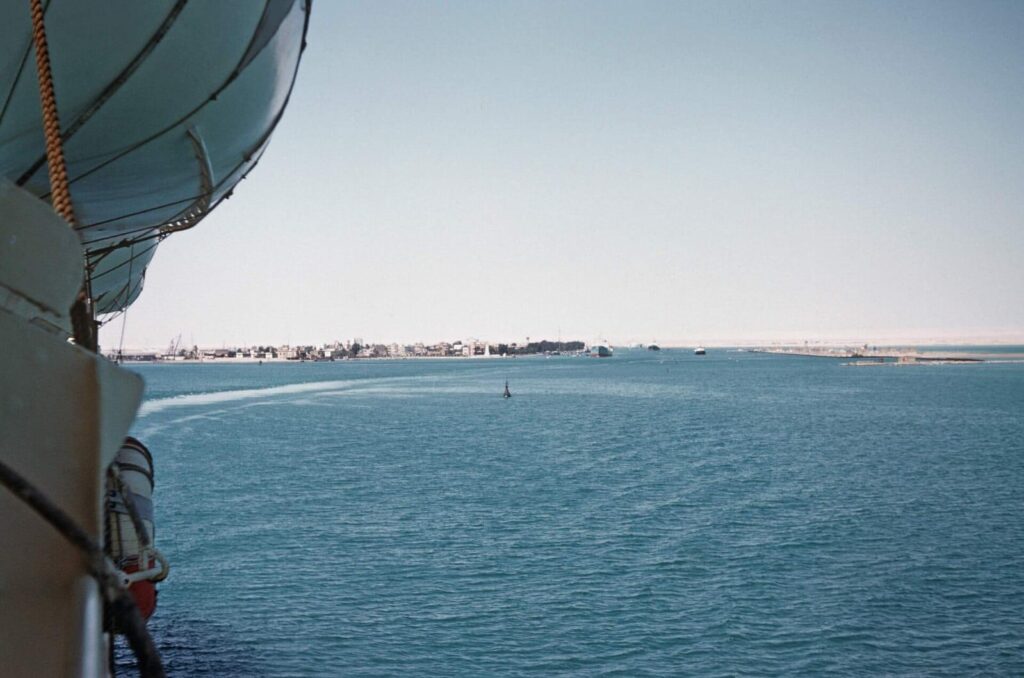
The Cabinet described the canal as a strategic public utility directly connected to Egypt’s national security and sovereignty. It also highlighted the waterway’s importance to the Egyptian economy and global maritime trade.

Government Had Considered Asset-for-Debt Options.
Cairo acknowledged that the broader idea of exchanging state assets for domestic debt has previously been examined as one possible way of managing the country’s debt burden and reducing servicing costs.
However, authorities concluded that simply transferring assets and liabilities between different state institutions would not, by itself, reduce Egypt’s overall obligations. The government said debt management requires a broader approach that considers the structure of the debt, servicing costs, domestic liquidity and the impact on monetary and fiscal policy.
The clarification comes as Egypt continues efforts to manage significant public financing pressures while seeking to attract investment and generate additional foreign currency.
Suez Canal Remains a Strategic Economic Asset.
The canal remains one of Egypt’s most important sources of foreign currency and a critical route for international shipping. Its strategic importance makes any suggestion of transferring ownership particularly sensitive in Egypt.
The government’s response therefore goes beyond an ordinary clarification over an economic proposal. It is also a reaffirmation that Cairo considers the canal a sovereign strategic asset whose ownership will not be used as a mechanism for settling domestic government liabilities.
For Egypt, the debate has exposed the difficult balance between managing public debt and protecting assets considered essential to national sovereignty. While the government remains open to exploring ways of improving the value and performance of state-owned assets, it has drawn a clear line around the Suez Canal: it will not be exchanged, mortgaged or transferred to settle government debt.

Comments (0)
No comments yet — be the first to share your thoughts.