

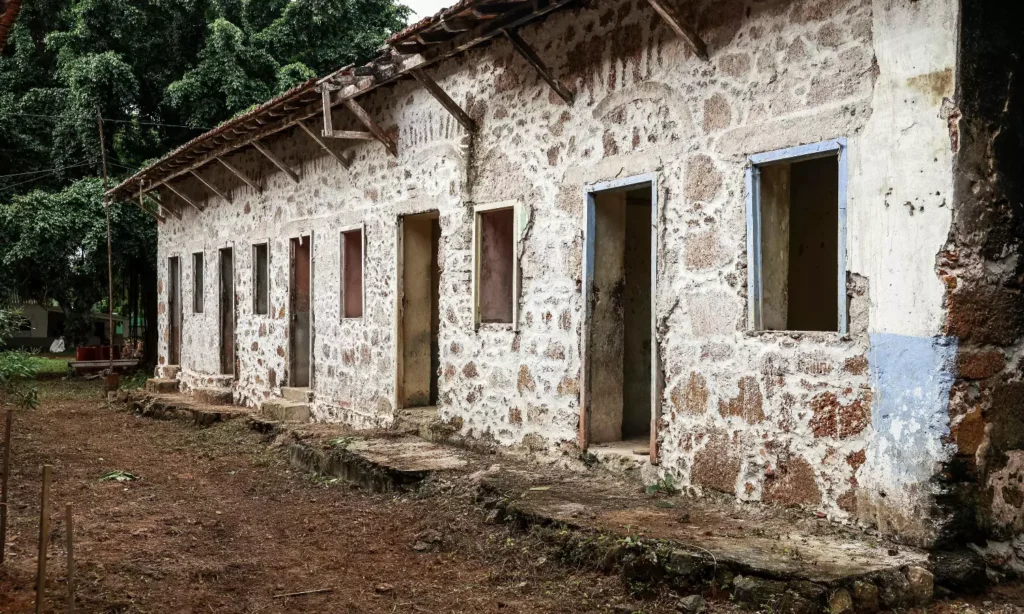
Colonial-Era Sites Become a New Focus for Heritage and Tourism.
São Tomé and Príncipe is stepping up efforts to preserve its historic plantation estates after six “roças” were added to the UNESCO World Heritage List. The recognition has renewed attention on the fragile sites and their importance to the island nation’s history, culture and tourism ambitions.
The six plantations, located across São Tomé and Príncipe, include Monte Café, Água Izé, Diogo Vaz, São João, Sundy and Belo Monte. Together, they represent a colonial agricultural system built around coffee and cocoa production and sustained for generations through forced migration and exploitative labour.
A Difficult History to Preserve.
For many São Toméans, the plantations are more than abandoned colonial buildings. They are part of a painful history that shaped the country’s population and economy.
Many workers were brought from other African territories under coercive contract systems, while the plantations operated as highly organised agricultural communities with housing, hospitals, schools, processing facilities and other infrastructure.

Today, however, many of the buildings are severely deteriorated. Some remain occupied by descendants of former plantation workers, while others have been largely reclaimed by vegetation.
Heritage Could Become an Economic Opportunity.
The UNESCO recognition is also creating opportunities for São Tomé and Príncipe to develop cultural tourism around the sites. Investors have already shown interest in transforming some former plantations into hotels and tourism destinations.
Government officials, however, insist that commercial development should not erase the historical meaning of the locations. The objective is to preserve the physical structures while ensuring that visitors understand the history of forced labour and colonial exploitation behind them.
The government has established a 2025–2035 national management plan aimed at protecting the country’s plantation heritage and finding sustainable new uses for the buildings.
Preserving Memory While Building the Future.
The challenge for São Tomé and Príncipe is therefore not simply restoring old buildings. It is deciding how to transform them into living heritage sites without separating them from the communities and history that give them meaning.
The UNESCO designation provides international recognition, but it also brings greater responsibility. Conservation will require funding, technical expertise and stronger involvement from local communities.
For São Tomé and Príncipe, the six newly recognised roças offer a rare opportunity to turn a difficult colonial legacy into a platform for cultural preservation, education and sustainable tourism. The success of that effort will depend on whether the country can protect the past while creating meaningful economic opportunities for the communities that still call these historic plantations home.

Comments (0)
No comments yet — be the first to share your thoughts.