

New Electric Mobility Initiative Targets Faster and More Affordable Adoption.
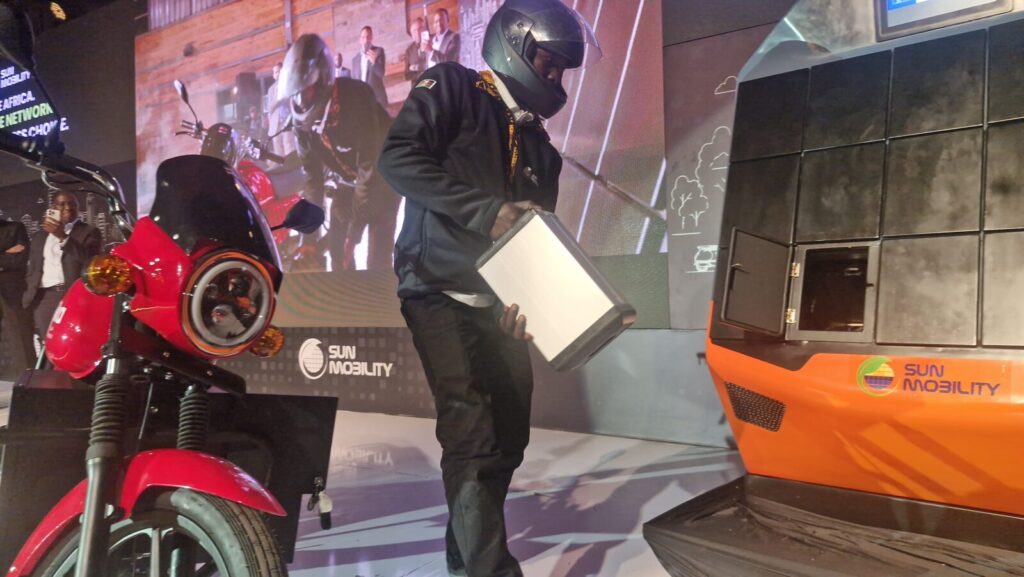
Indian electric mobility company SUN Mobility has launched a battery-swapping network in Kenya, marking a new step in the country’s push towards cleaner and more efficient transportation. The initiative is being developed in partnership with Vivo Energy Kenya, with the companies positioning battery swapping as a practical alternative to conventional charging for electric motorcycles and other compatible vehicles.
The launch comes as Kenya continues to attract investment in electric mobility, particularly in the two-wheeler sector. Motorcycles are a major component of urban and commercial transportation across the country, making the transition from petrol-powered motorcycles to electric alternatives potentially significant for both household incomes and national energy consumption.
Battery Swapping Could Change How Electric Motorcycles Operate.
Unlike conventional electric vehicles that have to remain connected to a charger while their batteries recharge, battery-swapping systems allow drivers to exchange a depleted battery for a fully charged one at a designated station. The process can take considerably less time than waiting for a battery to recharge, making it particularly attractive to commercial motorcycle riders whose income depends on keeping their vehicles on the road.
SUN Mobility’s system is based on an open architecture designed to support compatible electric vehicles from different manufacturers. The company has been developing battery-swapping technology as part of its broader strategy to accelerate electric mobility in emerging markets.

For Kenya’s motorcycle sector, the model could be especially relevant because riders cannot easily afford to lose working hours waiting for vehicles to charge.
Kenya Has Become a Major African Electric Mobility Market.
Kenya is increasingly being recognised as one of Africa’s leading markets for electric mobility. The country’s large motorcycle sector, growing renewable-energy capacity and relatively advanced digital payments ecosystem have created conditions that make electric two-wheelers increasingly viable.
Electric motorcycles can also offer significant operating savings compared with petrol alternatives. Although the initial purchase price can remain a barrier, lower energy and maintenance costs can make electric motorcycles more attractive over the lifetime of the vehicle.
Battery swapping could further reduce the practical barriers by eliminating the need for riders to install charging infrastructure at home or spend long periods waiting for batteries to recharge.
Vivo Energy Brings an Established Energy Network.
The partnership with Vivo Energy Kenya is significant because of the company’s existing footprint in the country’s energy and mobility market.
Vivo Energy operates the Shell-branded retail network in several African markets and has an established network of service stations and other infrastructure. Integrating battery-swapping facilities into an existing mobility network could make it easier to expand access beyond Nairobi and other major urban centres.
The broader strategy reflects a changing African energy landscape in which traditional fuel companies are increasingly exploring electric mobility and other forms of cleaner transportation.
Rather than abandoning their existing infrastructure, companies such as Vivo Energy can potentially use their networks as platforms for new mobility services.
Motorcycle Riders Are at the Centre of the Opportunity.
Kenya’s motorcycle taxi sector, commonly known as boda boda, provides one of the clearest opportunities for electric mobility.
Thousands of riders depend on motorcycles for passenger transportation, deliveries and other commercial activities. Fuel prices therefore have a direct impact on their operating costs and daily earnings.
An electric motorcycle can potentially reduce those costs, particularly when electricity is cheaper than petrol on a per-kilometre basis. The challenge has traditionally been access.
Electric motorcycles remain more expensive in many markets, while charging infrastructure is still developing. Battery-swapping networks attempt to address both issues by separating the battery from the vehicle and allowing riders to access charged batteries through a network.
The Model Could Also Support Battery Leasing.
One of the important features of battery-swapping models is that riders do not necessarily have to own the battery permanently.
Under battery-as-a-service arrangements, users can pay for access to batteries based on usage rather than purchasing the full battery upfront. This can significantly reduce the initial cost of switching from petrol to electric motorcycles.
For lower-income commercial riders, that distinction could determine whether electric mobility becomes accessible or remains limited to wealthier consumers and corporate fleets.
The model also allows operators to manage battery charging centrally, potentially improving battery life and reducing the need for riders to worry about charging equipment.
Africa’s Transport Sector Is Under Pressure to Decarbonise.
Transportation remains one of the major sources of urban air pollution and greenhouse gas emissions, particularly in rapidly growing African cities.
The growth of motorcycles and informal transport has helped millions of people access affordable mobility, but it has also increased fuel consumption and urban pollution. Electric motorcycles offer one potential solution.
Because they have fewer moving components than conventional petrol motorcycles, electric vehicles can also have lower maintenance requirements. Combined with cheaper energy costs, that could create an economic argument for adoption alongside the environmental benefits.
However, the environmental impact will depend partly on how electricity is generated. Countries with larger renewable-energy shares will generally have greater potential to achieve emissions reductions through vehicle electrification.
Infrastructure Will Determine Whether the Model Can Scale.
The launch of a battery-swapping network is an important development, but one network cannot transform Kenya’s transport sector on its own.
For electric mobility to scale, riders need convenient access to swapping or charging facilities across the routes where they operate. If stations are too far apart, riders may remain reluctant to switch from petrol motorcycles regardless of the potential savings. Battery standardisation will also become increasingly important.
If every motorcycle manufacturer uses a different battery design, swapping networks can become fragmented and expensive. Open systems that allow different manufacturers to use the same infrastructure could therefore play an important role in building a larger electric mobility ecosystem.
Kenya Could Become a Regional Test Market.
Kenya’s experience with battery swapping could have implications beyond its borders. Other African countries are facing similar transportation challenges, including high fuel costs, growing urban populations and large motorcycle sectors. If battery swapping proves commercially viable in Kenya, the model could potentially be expanded into other East African and African markets.
The country’s relatively developed technology ecosystem also makes it a natural testing ground for new mobility models.
Mobile payments, digital financial services and established logistics networks could make it easier to integrate battery swapping into existing commercial transportation systems.
The Bigger Question Is Affordability.
For all the technological potential, the success of electric mobility in Africa will ultimately depend on economics.
Motorcycle riders are unlikely to switch simply because electric vehicles are cleaner. They will switch if the numbers make sense.
That means manufacturers, energy companies and governments will need to consider financing, battery leasing, charging and swapping prices, maintenance costs and the resale value of electric motorcycles.
Government incentives could also accelerate adoption, particularly during the early stages when infrastructure costs remain high.
Without affordable financing and convenient infrastructure, electric motorcycles could remain a niche product despite their potential advantages.
A New Phase for Kenya’s Electric Mobility Market.
SUN Mobility’s partnership with Vivo Energy represents another sign that Kenya’s transport sector is moving towards a more diversified energy future. The shift will not happen overnight, and petrol motorcycles will remain dominant for some time, but the infrastructure being developed today could determine how quickly electric mobility becomes mainstream.
For Kenya, the opportunity extends beyond reducing fuel consumption. A successful electric-mobility ecosystem could create new businesses around battery management, vehicle manufacturing, maintenance, charging infrastructure and digital payments.
The launch of SUN Mobility’s battery-swapping network therefore represents more than the introduction of another electric-vehicle technology. It is a test of whether Africa can build an electric mobility model around the realities of its own transport markets. If Kenya can demonstrate that electric motorcycles are affordable, reliable and commercially viable for ordinary riders, battery swapping could become an important part of the continent’s transition towards cleaner urban transportation.

Comments (0)
No comments yet — be the first to share your thoughts.