

Volker Türk Calls for Due Process as Political Tensions Rise.
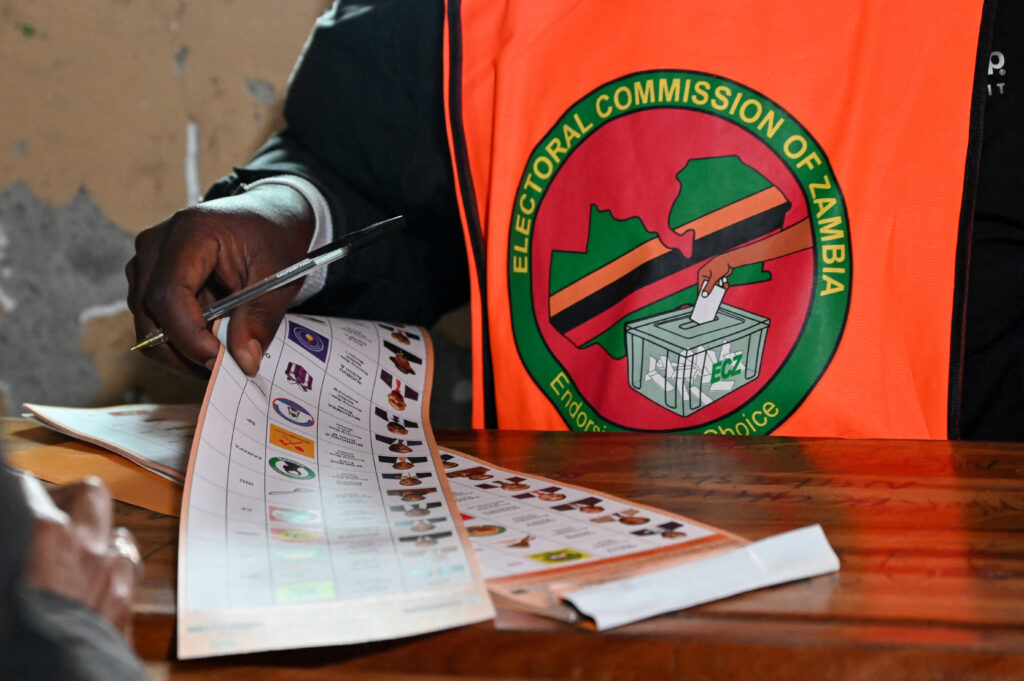
The United Nations has raised concerns over the arrest and detention of opposition figures in Zambia following a tense presidential election that returned President Hakainde Hichilema to office for a second five-year term. UN High Commissioner for Human Rights Volker Türk has called on Zambian authorities to stop arbitrary arrests and ensure that anyone detained is afforded due process, as political tensions continue to rise following the 13 August election.
The intervention comes at a sensitive moment for Zambia. The Electoral Commission declared Hichilema the winner with approximately 60 percent of the vote, while his main challenger, Brian Mundubile, received about 38 percent. Mundubile has rejected the result and said his opposition alliance will challenge the election in court, alleging irregularities in the voting, counting, transmission and declaration of results.
UN Demands Respect for Detainees’ Rights.
Türk has expressed concern over reports of opposition members being arrested and detained both before and after the election. He has urged the Zambian authorities to ensure that arrests and subsequent legal proceedings comply with international human rights standards and Zambian law.
The UN human rights chief has stressed that detainees should be informed of the reasons for their arrest, promptly told of any charges against them and given access to lawyers and family members. He has also called for detainees to be treated humanely and brought before a judge without unnecessary delay.

The intervention places Zambia’s post-election security response under increased international scrutiny.
Opposition Figures Arrested After Election-Night Raid.
The concerns centre partly on an operation carried out on election night at a property where Mundubile was present. According to Zambian authorities, law enforcement officers raided the location following reports of a security threat. Officials said high-grade military weapons were subsequently discovered and that 11 opposition officials were arrested over allegations that they posed a threat to state security.
Mundubile has rejected the government’s account. He has maintained that the opposition officials were unarmed and alleged that they were targeted without provocation. The competing claims have not been fully resolved, making the UN’s call for due process particularly significant.
The situation has also raised questions about whether security measures are being used appropriately during a politically sensitive period.
Opposition Takes Election Dispute to Court.
The arrests have unfolded alongside a growing legal challenge to Hichilema’s re-election.
Mundubile has announced that his campaign will challenge the election result in court, saying it has documented what it describes as serious irregularities and inconsistencies surrounding the voting process. The opposition has also questioned aspects of the counting and transmission of results.
Hichilema’s victory gives him another five-year mandate, but the opposition’s decision to seek judicial review means the electoral dispute is far from settled politically.
The courts will now become an important institution in determining whether the opposition’s allegations have sufficient evidence to affect the official result.
Questions Over the Electoral Process.
The controversy extends beyond the arrests. Zambia’s electoral process experienced disruptions during the counting period, including incidents involving election officials and ballot materials. Concerns were also raised about transparency during the tabulation and transmission of results.
Nevertheless, the election did not descend into the widespread violence that has accompanied disputed elections in some other African countries. Zambia has generally maintained a reputation for peaceful transfers of power and competitive multiparty elections since the restoration of multiparty democracy in 1991.
That reputation makes the current developments particularly important.
Hichilema Begins His Second Term Under Pressure.
Hichilema enters his second term with significant economic and political challenges. His administration has overseen progress on Zambia’s debt restructuring while seeking to attract investment, particularly into the country’s strategically important mining sector.
At the same time, concerns over the cost of living, political freedoms and relations between the government and opposition remain part of the national debate. The controversy surrounding the arrests could add another challenge to his second term.
For Hichilema, the immediate test is not simply maintaining political authority. It is demonstrating that his government can respond to genuine security concerns without undermining confidence in democratic institutions or restricting legitimate political opposition.
A Critical Test for Zambia’s Democracy.
Zambia now faces a delicate period in which several institutions are being tested simultaneously. The opposition is challenging the election result, the government is defending arrests linked to alleged security threats, and international observers are watching how authorities handle the dispute.
The government has a responsibility to investigate credible security threats if evidence exists. The opposition, meanwhile, has a responsibility to pursue its electoral challenge through peaceful and lawful channels. But those responsibilities must exist alongside respect for fundamental rights.
A functioning democracy must be capable of protecting national security while also protecting the legal rights of people accused of wrongdoing.
The Next Few Weeks Could Define the Political Climate.
Zambia has completed its presidential election, but the political dispute surrounding the vote is far from over. The opposition’s legal challenge will test the credibility and independence of the country’s judicial institutions, while the treatment of detained opposition figures will provide another important measure of the government’s commitment to due process.
The way these issues are handled could have consequences well beyond the current political dispute.
Hakainde Hichilema has secured another term, but the real test of Zambia’s democratic resilience may now begin. If the government allows the courts to independently address electoral grievances and ensures that opposition detainees receive due process, Zambia could emerge from the controversy with its institutions strengthened. If political arrests and unresolved allegations continue to dominate the post-election period, the country’s democratic reputation could face a serious setback.

Comments (0)
No comments yet — be the first to share your thoughts.