
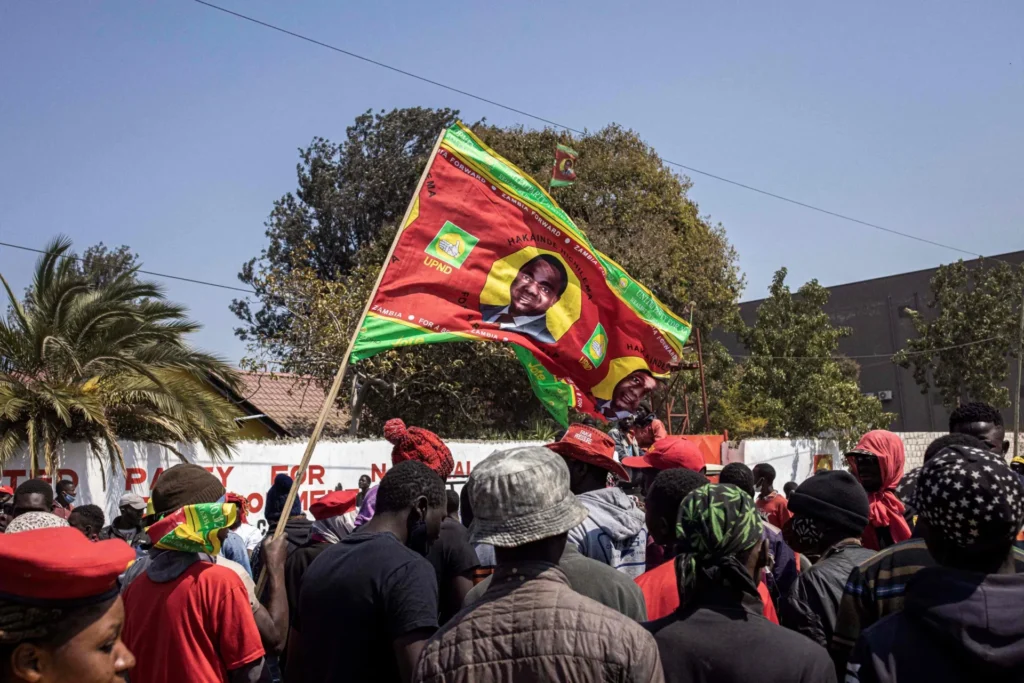
As Zambia prepares for its general election, attention is extending beyond the contest between political parties to the broader question of the country’s democratic health.
Human rights organisation Amnesty International has raised concerns about political freedoms and the pace of democratic reforms, urging political candidates and the next government to address issues that could affect civic space.
The concerns add another dimension to an election already attracting attention because of Zambia’s economic challenges.
Political Freedom Under Scrutiny.
Amnesty International has called for stronger protection of political freedoms and greater respect for human rights as Zambia approaches the polls.

The organisation has argued that democratic institutions must protect the ability of citizens, journalists, civil society groups and political opponents to participate freely in public life.
For Zambia, the issue is particularly important because elections are not judged only by who wins. The credibility of the process itself can influence public confidence in government institutions.
The Importance of Democratic Space.
A healthy democracy requires more than regular elections.
Political parties need space to organise and campaign. Citizens need to be able to express their opinions without intimidation. Journalists and civil society organisations need the freedom to scrutinise those in power.
Human rights groups argue that these protections are essential regardless of which political party controls government.
The election therefore offers Zambia an opportunity to demonstrate that political competition and democratic institutions remain strong.
Reforms Remain a Key Issue.
Amnesty International has also pointed to concerns over reforms that it says have stalled or require greater commitment.
For activists and civil society organisations, the next government will face pressure to strengthen institutions, protect rights and ensure that political freedoms are respected throughout the electoral cycle.
These demands will not disappear once voting ends.
What the Election Will Signal.
The international community is watching Zambia not only because of its economic importance but also because of its role as a relatively established democracy in the region.
A peaceful, credible and inclusive election would strengthen Zambia’s democratic reputation.
However, concerns over restrictions on political freedoms could continue to influence perceptions of the country’s democratic direction.
The Next Government’s Responsibility.
Whoever wins the election will inherit responsibility for addressing these concerns.
The challenge will be to ensure that democratic institutions serve citizens rather than political interests.
For Zambians, democracy must ultimately mean more than casting a ballot every few years. It must mean having the freedom to participate, question authority, organise and demand accountability.
The 2026 election will therefore be judged not only by its result, but by the quality of the democratic process that produces it.

Comments (0)
No comments yet — be the first to share your thoughts.