

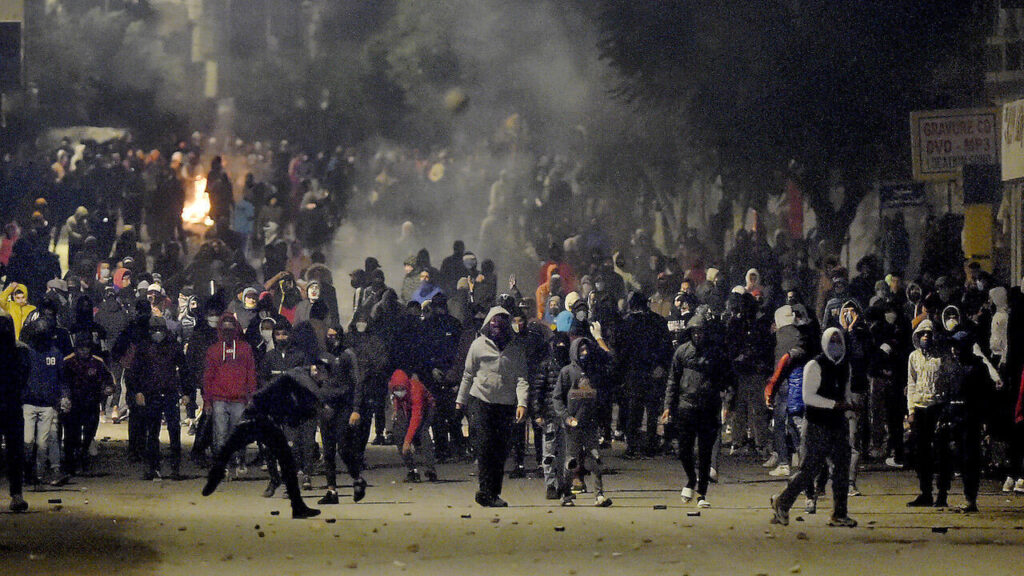
Tunisia is facing growing public frustration as widespread electricity cuts and water shortages disrupt daily life during one of the country’s hottest periods of the year.
The crisis has triggered protests in several areas, with citizens accusing authorities of failing to protect essential services as temperatures rise above 45°C. The power disruptions have intensified criticism of President Kais Saied’s government, with many Tunisians questioning the state’s ability to manage the country’s worsening infrastructure challenges.
A Heatwave Pushes the System to Breaking Point
The immediate pressure has come from an extreme heatwave that has dramatically increased electricity demand as households and businesses rely more heavily on air conditioning.
Tunisia’s national electricity company, STEG, has introduced rotating power cuts to manage pressure on the ageing electricity network. However, the outages have affected homes, businesses, hospitals and tourism operators, creating widespread frustration.

For many citizens, the problem is not only the lack of electricity but the uncertainty surrounding when services will return.
Water Shortages Add to Public Frustration
Alongside electricity problems, several regions have also experienced water disruptions, adding pressure on households already struggling with extreme temperatures.
Communities and businesses, particularly in tourism areas, have reported difficulties operating without reliable access to water and power. Some tourism operators have been forced to depend on generators and alternative water storage solutions to continue serving visitors.
The crisis has raised concerns about whether Tunisia’s infrastructure is prepared for the growing impact of climate change and rising temperatures.
Kais Saied Faces Political Pressure
The situation has increased criticism of President Kais Saied, whose leadership has already been controversial since he expanded presidential powers in 2021.
Many Tunisians who initially supported Saied because of promises of stronger leadership and stability are now expressing disappointment over economic difficulties, unemployment and declining public services.
Opposition voices argue that the crisis reflects deeper governance problems, while government supporters say the challenges are linked to years of economic difficulties and infrastructure neglect.
Government Response Under Scrutiny
President Saied has blamed some disruptions on possible sabotage and ordered investigations, but critics argue that the main causes are structural problems, including underinvestment, financial pressure and outdated infrastructure.
Energy experts say Tunisia’s electricity challenges have been building for years, with demand increasing faster than the country’s ability to modernise its systems.
A Test of Public Trust
The electricity and water crisis has become more than an infrastructure problem. It has become a political issue about trust, leadership and the ability of the government to provide basic services.
For many Tunisians, the question is no longer only about when the lights will return. It is about whether the state can deliver stability and improve daily life.
As protests continue and public frustration grows, the crisis could become one of the biggest political challenges facing President Kais Saied’s administration.

Comments (0)
No comments yet — be the first to share your thoughts.