

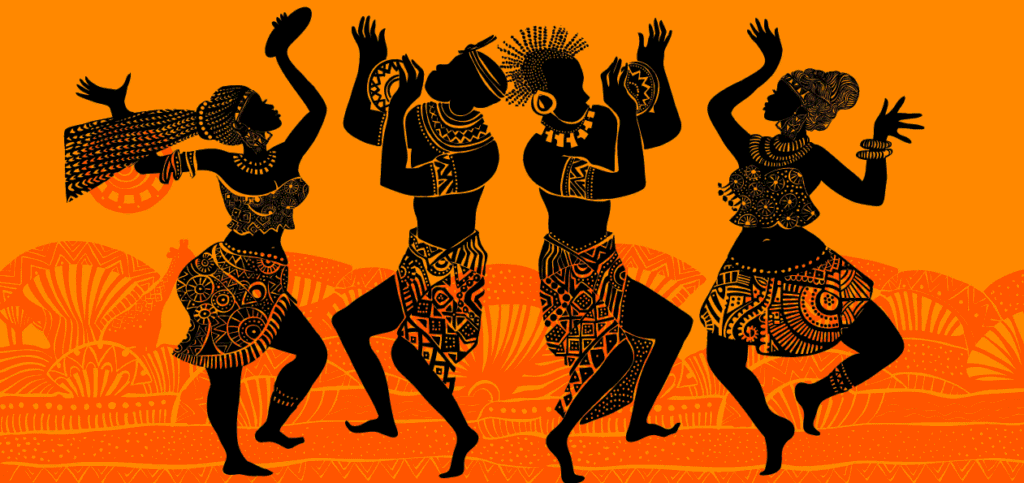
Africa has become one of the world’s most influential cultural forces. From Afrobeats dominating global music charts to Nollywood films reaching international audiences, African fashion shaping global trends and digital creators building worldwide communities, the continent’s creativity is now impossible to ignore.
But behind this global attention lies a deeper question: is Africa turning its cultural influence into real economic power, or is it simply creating value that others capture?
Africa has the talent, the stories and the creativity. The next challenge is building the systems, businesses and investments needed to ensure that African creators benefit from the industries they are helping to build.
Africa’s Creative Power Is Going Global
The African creative economy is experiencing a historic transformation.

Music, film, fashion, gaming and digital content are becoming major drivers of economic opportunity across the continent. A new generation of African creators is proving that creativity is not only a form of cultural expression but also a powerful business opportunity.
Afrobeats has become one of Africa’s biggest global exports, with artists such as Burna Boy, Wizkid, Davido, Tems and Rema performing on international stages and collaborating with some of the biggest names in global entertainment.
African cinema is also expanding beyond traditional audiences. Nigeria’s Nollywood remains one of the largest film industries in the world by production volume, while streaming platforms have increased demand for African stories.
Fashion designers from Nigeria, Ghana, South Africa, Kenya and other countries are gaining international recognition as African designs influence global trends.
The world is consuming African creativity more than ever before.
The question now is whether Africa is capturing enough of the economic value.
The Gap Between Talent and Industry
Africa’s biggest creative challenge is not a shortage of talent.
It is the lack of strong industry structures.
Many African creators still operate without the professional support systems that exist in more developed entertainment markets. Artists often have to manage their own branding, marketing, distribution, negotiations and business decisions.
A musician may create a global hit but still struggle to fully benefit from royalties, publishing rights and commercial opportunities.
A filmmaker may produce a powerful story but face challenges finding funding, distribution and international markets.
Creativity creates attention, but business creates sustainability.
For Africa’s creative economy to reach its full potential, creators need stronger ecosystems involving managers, investors, lawyers, publishers, distributors and technology platforms.
Afrobeats Proved Africa Can Win Globally
The rise of Afrobeats is one of the clearest examples of Africa’s creative potential.
Over the past decade, African music has moved from regional markets to global stages. African artists are selling out international concerts, attracting global brand partnerships and influencing popular culture worldwide.
The growth of streaming platforms has also changed how African music reaches audiences.
Artists no longer depend only on traditional record labels or local media. A song created in Lagos, Accra, Nairobi or Johannesburg can now reach listeners anywhere in the world within minutes.
However, success in music is not only about popularity.
The biggest challenge is ensuring that artists understand and benefit from the business side of music, including copyright ownership, royalties, publishing and licensing.
A global hit should create long-term wealth for the creator, not only short-term recognition.
Nollywood and the Business of African Stories
Africa has some of the richest storytelling traditions in the world.
From history and culture to modern social experiences, African filmmakers have endless stories that connect with audiences.
Nollywood has demonstrated the power of African storytelling by building one of the world’s largest film industries. The industry has created opportunities for actors, directors, producers and thousands of professionals.
However, African cinema still faces major challenges, including limited financing, production infrastructure, piracy and weak distribution networks.
The future of African film will depend on improving quality, protecting intellectual property and building stronger global partnerships.
Africa does not lack stories.
It needs stronger systems to bring those stories to the world.
The Creator Economy Is Africa’s Next Frontier
Beyond music and film, a new digital generation is changing the creative landscape.
Young Africans are building careers through YouTube, TikTok, Instagram, podcasts and online communities.
Creators are becoming entrepreneurs, turning their personalities, knowledge and creativity into businesses.
This represents a major opportunity for Africa because the continent has one of the world’s fastest-growing internet populations.
However, many creators still struggle with monetisation.
Large audiences do not always translate into sustainable income because of limited advertising markets, payment challenges and weak connections between creators and brands.
Building a stronger creator economy will require investment, partnerships and better digital infrastructure.
Copyright Will Decide Who Benefits
One of the biggest threats to Africa’s creative growth is weak protection of intellectual property.
Piracy continues to affect musicians, filmmakers and other creators across many African countries.
When creative works are stolen or distributed illegally, creators lose income and investors become less willing to finance new projects.
Strong copyright systems are essential because creativity is an economic asset.
A song, film, design or digital product is not just entertainment. It is intellectual property with financial value.
Investment Will Shape Africa’s Creative Future
Africa’s creative economy has the potential to become one of the continent’s largest industries, but talent alone cannot build a global creative powerhouse.
Investment is needed in:
- music distribution platforms,
- film production facilities,
- creative education,
- technology solutions,
- professional management,
- international marketing.
Governments and private investors must begin treating creative industries as serious economic sectors capable of creating jobs and generating wealth.
The countries that build strong creative ecosystems will be the ones that benefit most from the global demand for African culture.
Technology Could Change Everything
Technology is becoming one of the biggest drivers of Africa’s creative transformation.
Digital platforms are changing how artists distribute music, filmmakers reach audiences and creators build communities.
Artificial intelligence tools are also opening new possibilities in content creation, marketing and production.
African technology companies are developing solutions around music distribution, ticketing, payments and audience engagement, creating a bridge between creativity and business.
The combination of African talent and technology could unlock a new era of creative entrepreneurship.
Africa’s Cultural Moment Is Here
The world already recognises African creativity.
It listens to African music.
It watches African films.
It follows African creators.
It embraces African fashion.
The cultural influence is no longer in question.
The challenge now is ownership.
Africa must move from simply exporting creativity to building industries that allow creators, businesses and communities to capture the value they create.
The world loves African culture.
The next step is ensuring Africa owns more of the future it is creating.

Great news 👍