
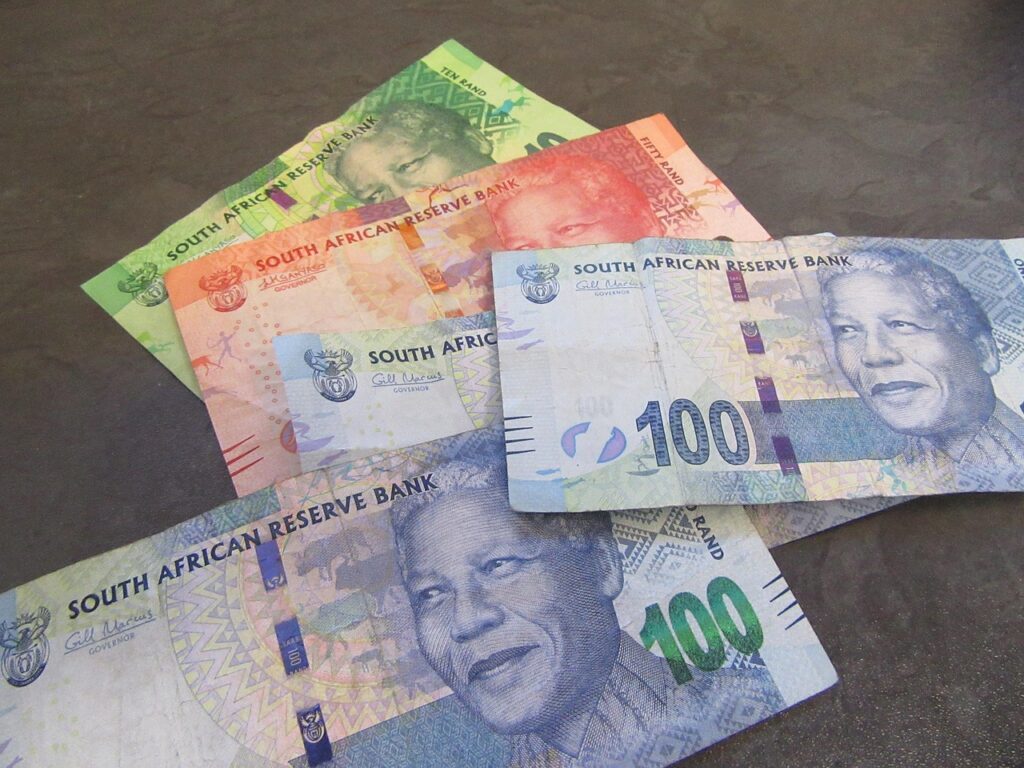
South Africa’s removal from the Financial Action Task Force (FATF) greylist in 2025 was celebrated as a major achievement for the country’s financial system. However, the victory is now facing a new challenge as international regulators increase expectations for countries to prove that financial reforms are not temporary measures but lasting improvements.
The global financial crime watchdog is placing greater emphasis on whether countries can maintain strong systems to prevent money laundering, terrorist financing and illicit financial activities. For South Africa, the focus has shifted from completing reforms to demonstrating that those reforms are producing long-term results.
The country now faces the difficult task of protecting the progress it has made while rebuilding international confidence in its financial institutions.
From Greylist Pressure to Long-Term Compliance
South Africa was removed from the FATF greylist in October 2025 after completing 22 action points designed to strengthen its financial crime prevention framework.

The country had been placed on the greylist in 2023 after FATF identified weaknesses in areas including financial oversight, investigations, enforcement capacity and the prosecution of complex financial crimes.
Being placed on the greylist created concerns among investors and financial institutions because countries on the list often face increased scrutiny, higher compliance costs and possible challenges when accessing international financial markets.
The reforms that followed were aimed at restoring confidence and proving that South Africa was committed to improving transparency and accountability.
However, leaving the greylist was not the end of the process.
The Harder Task of Staying Off the List
The latest challenge for South Africa is maintaining momentum.
FATF is increasingly focusing on whether countries can effectively investigate financial crimes, prosecute offenders and ensure that regulatory institutions operate independently from political or criminal influence.
Passing new laws is no longer enough. Countries must demonstrate that those laws are being enforced.
South African Revenue Service (SARS) Commissioner Edward Kieswetter highlighted this reality by describing greylist removal as a milestone rather than the final destination.
“We recognise that removing the designation of grey listing is not a finish line but a milestone on a long term journey toward building a robust and resilient financial ecosystem,” Kieswetter said.
His comments reflect a broader understanding that financial credibility depends on consistent action rather than short-term compliance efforts.
Why Financial Reputation Matters
A country’s financial reputation affects far more than government institutions and international investors.
When financial systems are considered weak, businesses may face additional checks when conducting international transactions. Cross-border payments can become slower and more expensive, while companies may encounter difficulties accessing global markets.
For entrepreneurs, especially small and medium-sized businesses, a country’s financial credibility can influence their ability to attract foreign partners, receive international payments and expand beyond domestic markets.
For ordinary citizens, financial instability can also affect the cost and efficiency of services such as remittances from family members living abroad.
A Warning Sign for Other African Economies
South Africa’s experience offers an important lesson for other African countries seeking greater investment and stronger economic integration.
International confidence is not built only through policy announcements or new regulations. It depends on the strength of institutions, the effectiveness of law enforcement and the ability of governments to maintain reforms over time.
Across Africa, many countries are working to attract foreign investment, develop digital economies and increase participation in global trade.
However, investors increasingly look beyond economic potential. They also consider governance, transparency and the ability of institutions to protect financial systems from corruption and criminal activity.
The Importance of Strong Institutions
South Africa’s challenge highlights the importance of institutions such as financial intelligence units, tax authorities, law enforcement agencies and regulatory bodies.
These organisations play a critical role in detecting suspicious transactions, recovering stolen assets and ensuring that financial crimes have consequences.
The country has made progress, but maintaining credibility will require continued investment in these institutions and protection of their independence.
Without strong enforcement, even the strongest legal frameworks can fail.
A Critical Moment for South Africa
South Africa has achieved an important milestone by exiting the FATF greylist, but the next phase may prove even more difficult.
The country must now show that reforms introduced during the greylisting period have become permanent improvements within its financial system.
A return to the greylist would damage investor confidence and create additional pressure on an economy already dealing with challenges including slow growth, unemployment and public finance concerns.
However, continued commitment to transparency and accountability could strengthen South Africa’s position as one of Africa’s leading financial centres.
The Bigger Lesson for Africa
South Africa’s journey demonstrates that financial trust is not earned once; it must be maintained continuously.
As African economies compete for investment and seek deeper integration into global markets, strong institutions and credible financial systems will become increasingly important.
The message is clear: economic growth requires more than resources and opportunities. It requires trust.
For South Africa and the wider continent, maintaining that trust will be one of the most important economic priorities of the coming years.

Comments (0)
No comments yet — be the first to share your thoughts.