

South Africa has intensified efforts to restore calm as anti-immigrant tensions continue to rise in several parts of the country, prompting the government to reinforce law enforcement, strengthen immigration controls, and appeal for an end to acts of vigilantism.
The latest developments follow weeks of demonstrations in communities across Gauteng and other provinces, where groups of residents have accused undocumented migrants of contributing to crime, unemployment, and pressure on public services. The protests have sparked concern among neighboring countries and human rights organizations, which fear the situation could escalate into widespread xenophobic violence.
Government officials have reiterated that while immigration laws will continue to be enforced, no individual or community has the right to take the law into their own hands.
Government Condemns Vigilante Actions
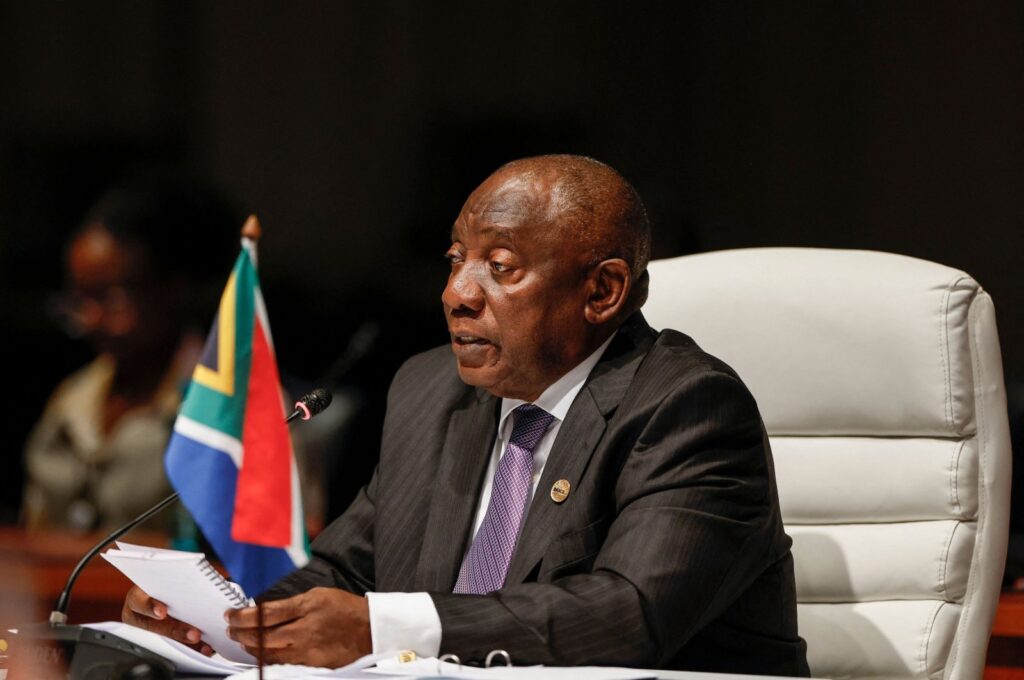
President Cyril Ramaphosa and senior government officials have strongly condemned incidents in which protesters reportedly stopped individuals on the streets, demanded identity documents, and forced suspected foreign nationals to leave their homes.

Authorities stressed that immigration enforcement is the responsibility of state institutions, including the police and the Department of Home Affairs, and warned that anyone engaging in intimidation, violence, or unlawful searches would face criminal prosecution.
Police have increased patrols in several affected communities and have arrested a number of individuals suspected of participating in unlawful activities linked to the protests.
Immigration Enforcement Intensified
At the same time, the government has expanded operations aimed at identifying undocumented migrants across the country.
According to officials, more than 53,000 undocumented foreign nationals have been deported or voluntarily returned to their home countries during recent immigration enforcement operations.
The Department of Home Affairs says these operations are being conducted in accordance with South African law and are intended to improve border security while addressing illegal immigration through legal processes rather than community action.
Officials have emphasized that documented migrants, refugees, and asylum seekers remain protected under the country’s laws and Constitution.
Regional Concern Grows
The unrest has drawn attention from governments across Africa, many of whose citizens live and work in South Africa.
Several countries have called on Pretoria to ensure the safety of foreign nationals while respecting their legal rights. Some governments have also assisted citizens who wished to return home following reports of intimidation in affected communities.
Regional organizations and diplomatic missions continue to monitor the situation closely, encouraging dialogue and peaceful resolution while reaffirming the importance of protecting all people regardless of nationality.
Economic Impact Becoming More Visible
Business leaders have warned that prolonged unrest could affect sectors that depend heavily on migrant workers, including agriculture, construction, hospitality, transport, and informal trade.
Many foreign-owned businesses in affected communities have temporarily closed out of concern for the safety of employees and customers. Some workers have also chosen to stay away from work because of fears of harassment or violence.
Economists caution that continued instability could disrupt local economies, reduce business confidence, and affect productivity at a time when South Africa is already facing significant economic challenges.
Calls for Unity and Respect for the Rule of Law
Civil society organizations, religious leaders, and human rights groups have appealed for calm, urging communities not to blame entire nationalities for broader economic and social problems.
They argue that sustainable solutions require stronger border management, effective law enforcement, economic reforms, and improved employment opportunities rather than violence against migrants.
Government officials have echoed these calls, emphasizing that South Africa’s Constitution guarantees the dignity and fundamental rights of everyone living within the country, regardless of their nationality.
Looking Ahead
Security agencies remain on high alert as authorities continue monitoring communities where tensions remain high.
The government says it will maintain immigration enforcement while ensuring that all operations are carried out within the framework of the law. At the same time, police have pledged to act decisively against anyone involved in acts of intimidation, violence, or vigilantism.
As South Africa works to address both illegal immigration and growing public frustration, leaders face the difficult task of balancing national security, economic concerns, and the protection of human rights. The coming weeks are expected to be crucial in determining whether the country can restore calm and prevent a wider outbreak of xenophobic violence.

Comments (0)
No comments yet — be the first to share your thoughts.