

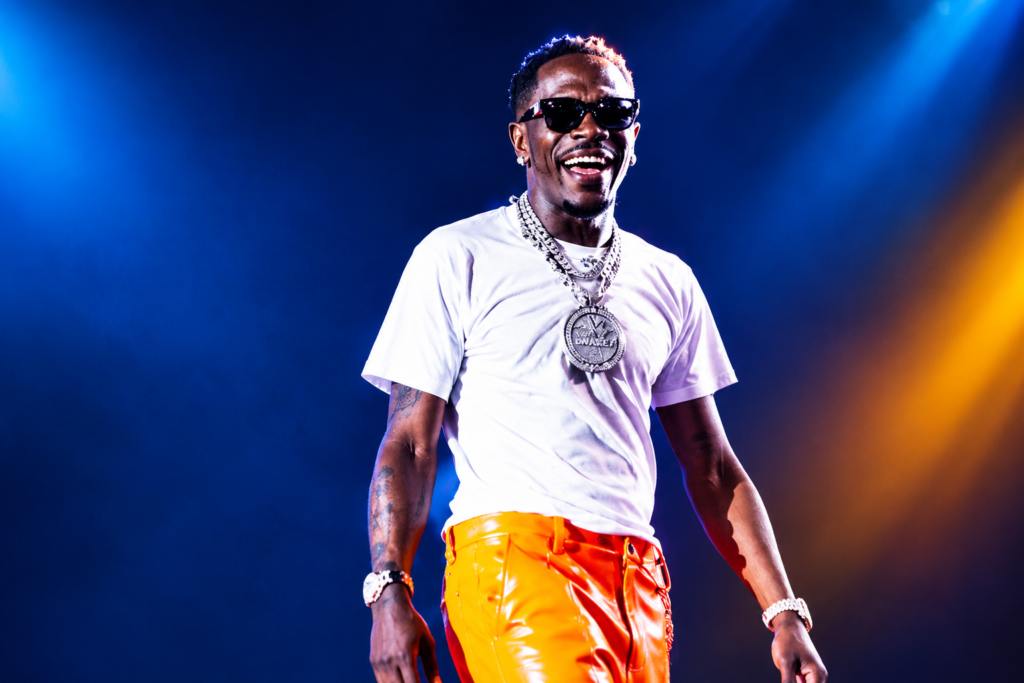
Ghanaian dancehall star Shatta Wale transformed his birthday celebration into a major showcase of fan loyalty, musical collaboration and commercial opportunity when thousands of supporters gathered at the Accra Sports Stadium for ShattaFest 2026 on October 17. The concert brought together some of Ghana’s recognisable music acts and entertainment personalities, turning a personal celebration into a wider statement about the influence of local music and the power of an artist-led brand.
One of the most memorable moments came when Shatta Wale appeared visibly overwhelmed as he looked across the packed stadium, breaking down in tears during his performance. For an artist whose career has been built around a fiercely loyal fanbase known as the Shatta Movement, the reaction offered a glimpse into the relationship between the performer and the people who have sustained his success.
The event also demonstrated how a musician’s birthday can become more than a promotional occasion. Through live performances, celebrity appearances, sponsorships and audience participation, ShattaFest has developed into a platform connecting Ghanaian entertainment with business and fan culture.
A Stadium Filled With Music and Loyalty.
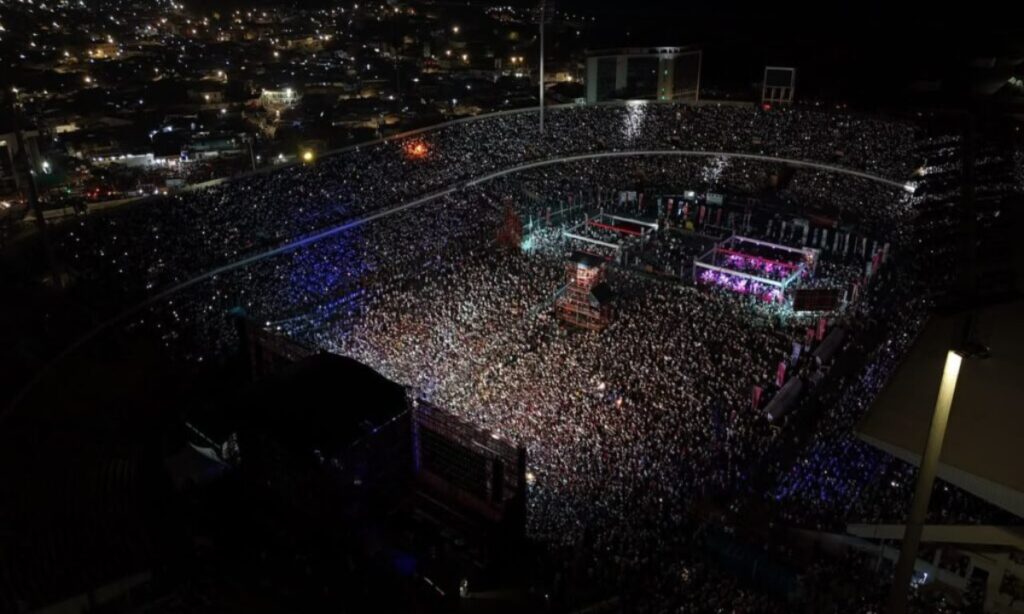
The all-white concert attracted thousands of fans to the Accra Sports Stadium, where supporters sang along, danced and celebrated the musician’s career. The scale of the gathering reinforced Shatta Wale’s ability to mobilise an audience around his name, catalogue and public identity.

The lineup included Medikal, Sista Afia, Patapaa, Fancy Gadam, Jupitar and Kwesi Amewuga, among other performers. Each appearance contributed to a programme that extended beyond a single headline act, giving the audience a broader selection of Ghanaian sounds and personalities.
Patapaa helped energise the crowd with his hit song One Corner before performing Body Fi Body, his collaboration with Shatta Wale. Sista Afia joined the headline act for Jeje, while Medikal shared the stage with him for Sika. These collaborations offered fans familiar records in a live setting and reinforced the value of bringing established songs back into public conversation through performances.
The concert also attracted prominent personalities from entertainment, sports and public service, including actress Nana Ama McBrown, Ghana Police Service Criminal Investigation Department Director-General Lydia Yaako Donkor and Black Stars goalkeeper Benjamin Asare.
Their presence added to the event’s visibility, illustrating how a major music concert can attract attention beyond its immediate audience and become a wider entertainment-industry gathering.
The Emotional Moment Behind the Performance.
Although the music and celebrity appearances generated much of the excitement, Shatta Wale’s emotional reaction became one of the defining images of the night. Looking out at the crowd, the musician appeared overwhelmed by the turnout and the support from his fans.
For artists who build their careers through years of releases, public controversies, touring and direct engagement with supporters, such moments can carry significance beyond the concert itself. They show the personal dimension of a relationship that is often discussed through streaming numbers, social media engagement and ticket sales.
Shatta Wale has cultivated a distinctive public identity through his music, outspoken personality and close association with the Shatta Movement. His supporters are not simply an audience gathered around individual songs; they form a recognisable community that participates in promoting his music, defending his reputation and sustaining interest in his activities.
That loyalty is commercially important. A dedicated fanbase can help an artist sell tickets, generate online engagement, support merchandise and attract brands seeking to reach a defined audience. ShattaFest offers a visible demonstration of how that relationship can be translated into a large-scale live event.
However, the long-term strength of an artist’s brand depends on more than a successful night. Consistent music releases, strong performances, professional event management and meaningful relationships with fans are necessary to sustain momentum beyond a single concert.
Ghanaian Music Meets Corporate Sponsorship.
ShattaFest 2026 was organised in partnership with MobileMoney Fintech Limited, continuing the relationship between the musician and the company following their collaboration on the previous edition. The partnership connects entertainment with efforts to encourage engagement with digital financial services.
Corporate involvement is increasingly important to the economics of major music events. Concerts require spending on production, sound, lighting, security, logistics, promotion and venue operations. Sponsorship can help meet these costs while giving brands access to audiences that traditional advertising may struggle to engage as effectively.
For companies, the appeal lies in the emotional connection between musicians and their supporters. A brand associated with a popular concert can become part of the audience’s experience, while event organisers gain resources and promotional support that may improve production and reach.
ShattaFest also received backing from corporate partners including Ecobank, Guinness Ghana, AT, Shaxi and Waya. Such partnerships demonstrate the potential for Ghana’s music industry to develop commercial relationships that extend beyond streaming and recorded music.
Yet sponsorship should be evaluated not only by the number of brands attached to an event but also by the value it creates for artists, organisers, workers and the wider industry. Sustainable growth requires transparent commercial arrangements, reliable ticketing, effective crowd management and clear benefits for everyone involved.
Can ShattaFest Become a Regional Music Brand?
Shatta Wale has expressed an ambition to develop ShattaFest into an annual celebration and eventually extend it to other parts of Ghana and beyond. That goal would place the event within a broader movement towards building African music brands that can attract audiences across borders.
Ghanaian music already travels through streaming platforms, collaborations, diaspora communities and regional concert circuits. However, converting international interest into sustainable live-event businesses requires planning, investment and an understanding of different markets.
Expanding ShattaFest could create opportunities for local artists, promoters, production crews, vendors and hospitality businesses. It could also give emerging performers access to larger audiences through a festival associated with an established headliner.
But expansion brings challenges. Organisers must maintain production standards, manage the costs of moving equipment and personnel, negotiate with venues and sponsors, and ensure that ticket prices remain accessible to the intended audience. A festival that grows too quickly without a reliable business model may struggle to maintain quality across different locations.
The strongest route may be gradual expansion, using the Accra event as a foundation while developing partnerships with local promoters and businesses in other markets. This would allow the brand to grow without losing the fan connection that makes it distinctive.
More Than a Birthday Concert.
ShattaFest 2026 highlighted the influence of Shatta Wale, but its wider significance lies in what it reveals about Ghana’s music economy. An artist with a strong identity and an organised fanbase can bring performers together, attract corporate sponsors and generate an event that captures national attention.
The concert also reinforced the importance of collaboration within the industry. Joint performances such as Jeje and Sika demonstrate how artists can use live appearances to renew interest in their music and strengthen relationships with one another’s audiences.
For Ghanaian music to convert this visibility into lasting economic value, successful concerts must be supported by stronger structures around management, publishing, royalties, touring, event production and artist development. The audience is an essential starting point, but a sustainable industry also needs the systems that allow revenue and opportunities to circulate beyond the stage.
ShattaFest has shown that an artist-led event can become a major cultural gathering with commercial potential. Whether it develops into a durable national or regional festival will depend on the consistency of future editions, the strength of its partnerships and its ability to create opportunities for more than its headline act.
For now, the packed stadium and Shatta Wale’s emotional moment have provided a powerful image of the bond between a Ghanaian music star and his supporters. The next challenge is turning that energy into a lasting platform for Ghanaian music, live entertainment and the businesses that support them.

Comments (0)
No comments yet — be the first to share your thoughts.