

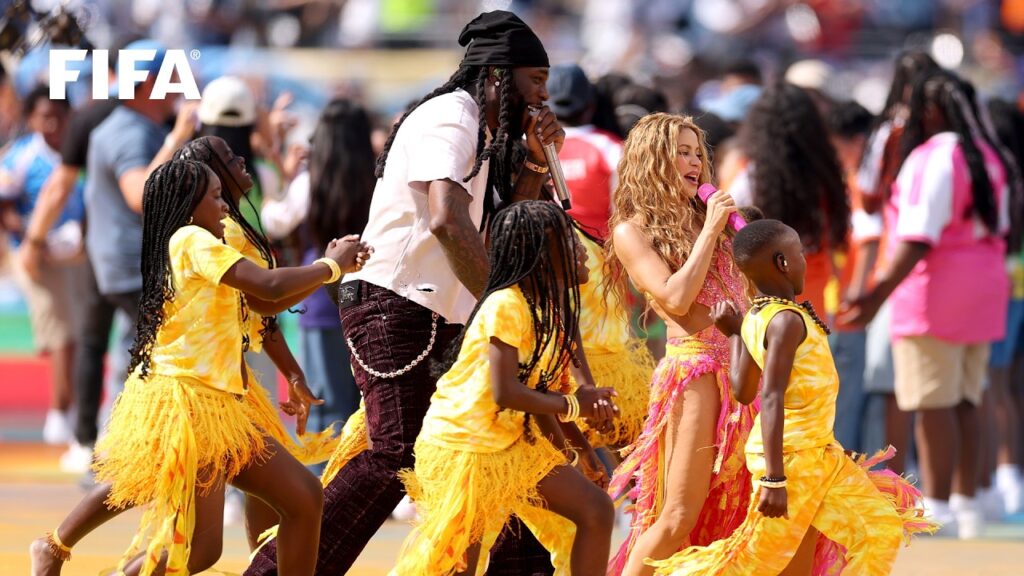
The 2026 FIFA World Cup final was not only a celebration of football but also a global cultural moment, with Shakira, Burna Boy and Uganda’s Ghetto Kids delivering performances that transformed the closing ceremony into a showcase of music, dance and creativity. As Spain and Argentina prepared for one of the biggest matches in sporting history, the entertainment programme highlighted the growing influence of African and Latin cultures on the global stage.
The performances brought together three different creative identities: Shakira’s global pop legacy, Burna Boy’s Afrofusion sound and Ghetto Kids’ energetic Ugandan dance culture. Together, they showed how football has become more than a sport. It has become a platform where nations, cultures and generations connect through shared experiences.
Shakira’s World Cup Legacy Continues
Shakira once again reminded the world why she remains one of the most recognised performers in football history.
The Colombian superstar has a special relationship with the FIFA World Cup, having performed at previous tournaments including the iconic 2010 World Cup in South Africa, where her song “Waka Waka (This Time for Africa)” became one of the most successful World Cup anthems ever created.
Her appearance at the 2026 final carried a sense of nostalgia for football fans who remember the excitement of the South African tournament and the cultural impact of her music.
With her signature combination of Latin rhythms, pop influences and powerful choreography, Shakira delivered a performance built on energy and experience. Her ability to connect with audiences across different generations once again demonstrated her status as one of the world’s biggest entertainers.
Her return created a bridge between past and present World Cup celebrations, reminding fans that music has always played an important role in football’s biggest moments.
Burna Boy Brings Afrobeats to Football’s Biggest Stage
Nigerian superstar Burna Boy represented the global rise of African music during one of the world’s most watched sporting events.
The Grammy Award winning artist has become one of the biggest names in modern African music, helping transform Afrobeats from a regional sound into an international movement.
His performance reflected the growing influence of Nigerian music and the wider African creative industry.
Over the past decade, Burna Boy has built a global audience through albums such as “African Giant” and “Twice as Tall”, while performing at major venues around the world. His collaborations with international artists have introduced African sounds to millions of listeners globally.
His appearance at the World Cup final represented more than a musical performance. It was a statement about Africa’s growing influence in global entertainment.
Afrobeats has become a cultural force, creating opportunities for artists, producers, dancers and creative entrepreneurs across the continent.
Ghetto Kids Showcase Uganda’s Creativity
Uganda’s Ghetto Kids brought the energy of African street dance culture to the global stage with a performance that celebrated creativity, youth and resilience.
The group, officially known as Triplets Ghetto Kids, gained international recognition through viral dance videos that introduced audiences worldwide to Uganda’s unique style of performance.
Founded by Dauda Kavuma, the group has become a symbol of how talent and creativity can create opportunities even in difficult circumstances.
Their journey from local performances in Uganda to one of the biggest sporting stages in the world reflects the power of African youth culture.
The performance also highlighted an important reality: Africa’s creative influence is not only coming from music stars. It is also coming from dancers, digital creators and young innovators who are using technology to reach global audiences.
A Celebration of Modern Global Culture
The combination of Shakira, Burna Boy and Ghetto Kids represented the changing face of global entertainment.
For many years, major international events were dominated mainly by performers from North America and Europe. Today, artists from Africa, Latin America and other regions are becoming central figures in global cultural moments.
The World Cup has always understood the connection between football and music. Tournament songs and performances have become part of football history, creating memories that remain long after matches end.
The 2026 final continued that tradition by bringing together different cultures on one stage.
Africa’s Creative Power Is Growing
The presence of Burna Boy and Ghetto Kids at the World Cup reflects a wider transformation happening across Africa’s creative industries.
African music, fashion, film and digital content are gaining international attention at a remarkable pace.
Afrobeats has become one of the world’s fastest growing music movements, with Nigerian, Ghanaian and other African artists reaching audiences through streaming platforms and international collaborations.
At the same time, African creators are using social media platforms to build global audiences without depending only on traditional entertainment systems.
The World Cup performance showed that African creativity is no longer waiting for global recognition.
It is becoming a major part of global culture.
Football, Music and the Power of Connection
The performances also showed how football has evolved into a complete cultural experience.
A World Cup final is no longer defined only by what happens on the pitch. It is shaped by the emotions, stories and cultural moments created around the game.
Shakira brought global pop history. Burna Boy brought Africa’s new musical identity. Ghetto Kids brought the energy and creativity of African youth.
Together, they demonstrated how entertainment can unite people across borders.
The Bigger Picture
The 2026 FIFA World Cup final celebrated football champions, but it also celebrated cultural champions.
Shakira represented decades of global music influence. Burna Boy represented Africa’s growing creative power. Ghetto Kids represented the talent and determination of African youth.
Their performances delivered a message beyond entertainment.
The future of global culture is becoming more diverse, more connected and more influenced by Africa.
At the world’s biggest football stage, Africa did not only appear through the game.
It also led through music, dance and creativity.

Comments (0)
No comments yet — be the first to share your thoughts.