

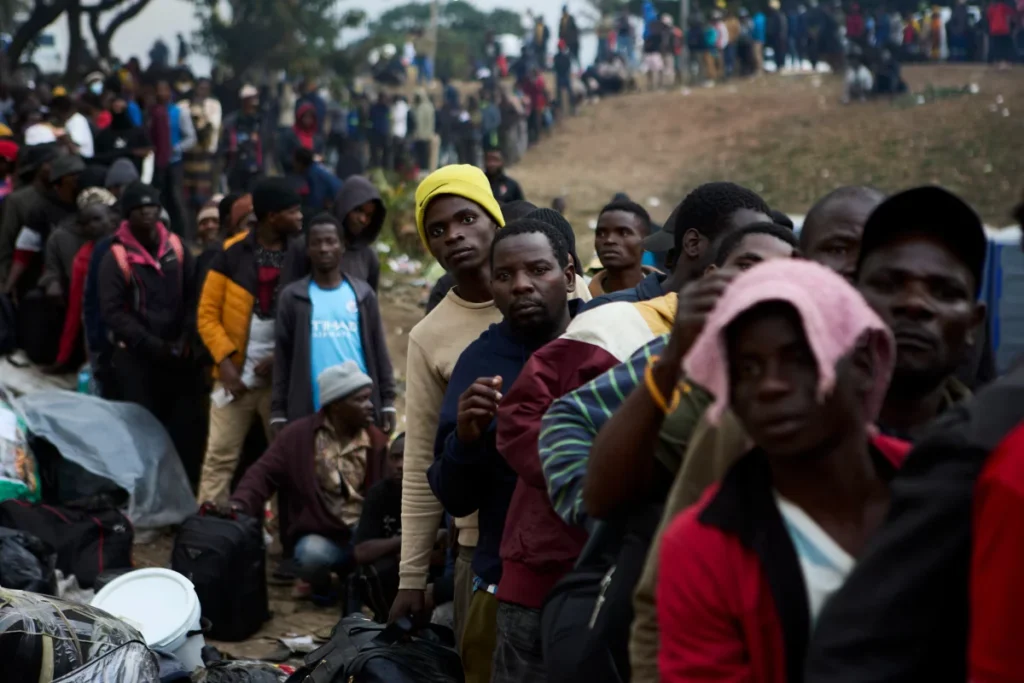
Concerns over the safety of migrants in South Africa continue to grow as anti-immigrant protests, deportations, and vigilante actions spread across several parts of the country, prompting neighbouring African governments to step up efforts to protect their citizens.
The recent wave of unrest has seen foreign nationals subjected to intimidation, forced evictions, and attacks on their businesses, while thousands have either voluntarily returned home or been deported during a nationwide immigration crackdown. Human rights organisations have warned that the situation risks deepening xenophobia and undermining regional relations.
Governments Repatriate Their Citizens
Several African governments have launched voluntary repatriation programmes for citizens wishing to leave South Africa.
Nigeria recently completed the evacuation of 1,490 of its nationals, while Zimbabwe has reported that tens of thousands of its citizens have returned home in recent weeks. Malawi, Mozambique, and other neighbouring countries have also been assisting citizens affected by the unrest.

Officials say many migrants chose to leave because they feared for their safety following repeated anti-immigrant demonstrations and uncertainty surrounding the government’s intensified immigration enforcement campaign.
Anti-Immigrant Protests Intensify
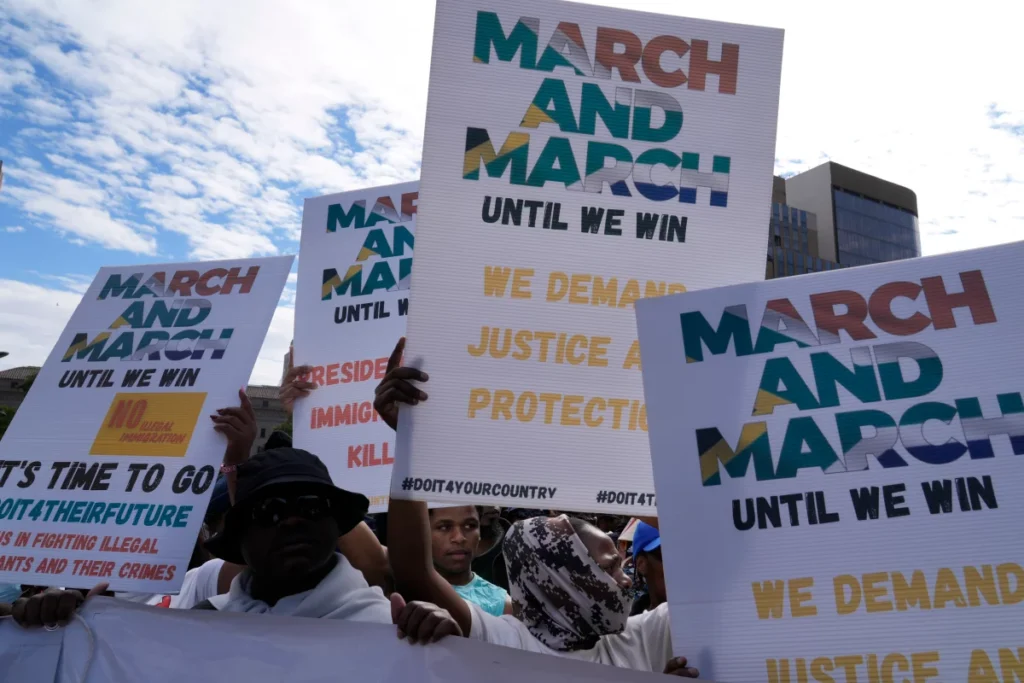
The current tensions have largely been driven by the March and March movement, which has organised demonstrations demanding stricter action against undocumented migrants.
In some communities, protesters have gone beyond organised marches by conducting door-to-door searches for suspected undocumented migrants before handing them over to police. Humanitarian organisations have criticised these actions, arguing that immigration enforcement should remain the responsibility of law enforcement agencies rather than private citizens.
Aid groups also warn that many legally documented migrants have become targets because protesters are often unable to distinguish between documented and undocumented foreign nationals.
Government Strengthens Security
President Cyril Ramaphosa has condemned acts of vigilantism while acknowledging public concerns over illegal immigration.
The South African government has deployed thousands of soldiers to support police in maintaining public order during demonstrations and has increased immigration enforcement operations across the country.
Authorities say more than 53,000 undocumented migrants have been deported or voluntarily repatriated in recent weeks. At the same time, police have arrested individuals involved in public violence, unlawful immigration checks, and attacks on foreign nationals.
Government officials insist that while immigration laws will continue to be enforced, no individual or organisation has the authority to take the law into its own hands.
Human Rights Groups Raise Alarm
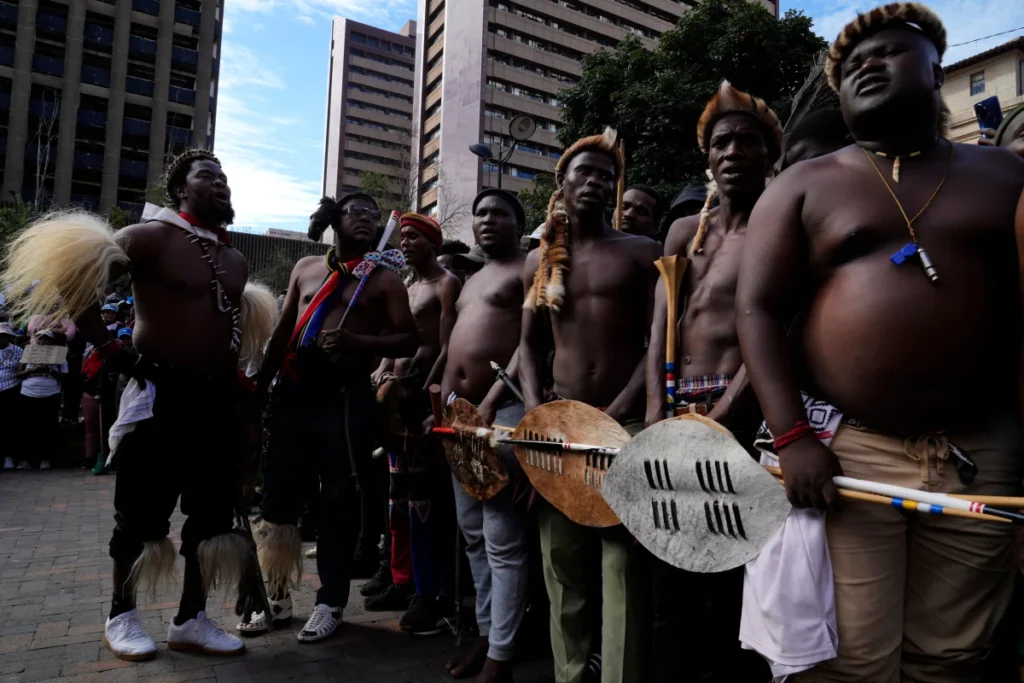
Human rights organisations and humanitarian agencies say the current climate has created widespread fear among migrant communities.
Many foreign-owned businesses have temporarily closed, while some families have abandoned their homes after receiving threats. Doctors Without Borders (MSF) has warned that growing displacement is increasing humanitarian needs, particularly among vulnerable migrants who have lost access to income, housing, and healthcare.
Rights advocates have also expressed concern that xenophobic rhetoric risks encouraging discrimination against migrants who are living and working in South Africa legally.
Economic Pressures Fuel the Debate
South Africa’s immigration debate is unfolding against the backdrop of high unemployment, rising living costs, and slow economic growth.
Supporters of the anti-immigration protests argue that undocumented migration places additional pressure on public services, employment opportunities, and housing. However, economists and migration experts say there is limited evidence that migrants are the primary cause of the country’s economic challenges.
Many industries, including agriculture, construction, hospitality, and domestic work, continue to rely heavily on migrant labour, raising concerns that large-scale departures could disrupt businesses and economic activity.
Regional Leaders Call for Calm
The recent unrest has drawn concern from governments and regional organisations across Africa.
Several countries have urged South Africa to protect foreign nationals while continuing to enforce immigration laws through legal and constitutional processes. Diplomats have also called for stronger regional cooperation on migration management, border security, and labour mobility to prevent further tensions.
As the situation continues to evolve, the safety of millions of migrants living and working in South Africa remains a pressing concern. Balancing immigration enforcement with the protection of human rights will be critical to preserving social stability and maintaining the country’s longstanding ties with its African neighbours.

Comments (0)
No comments yet — be the first to share your thoughts.