

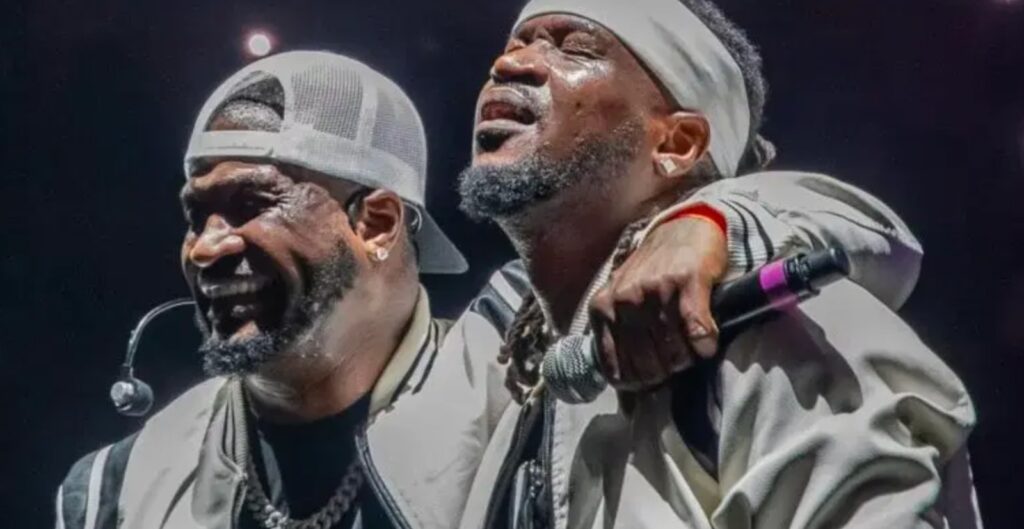
The latest P-Square dispute is no longer simply another celebrity disagreement. It has become a complicated story about family, money, ownership, management and the difficult question of what happens when a hugely successful family business begins to fracture.
Peter Okoye, Paul Okoye and their elder brother Jude Okoye have all occupied different positions in the dispute, while other personalities have increasingly offered their own views. The result is a public conflict surrounding one of Africa’s most successful music brands.
The most important question, however, may no longer be who is right. It is whether the P-Square story reveals a deeper problem within the way African entertainment businesses are built and managed.
Peter Okoye’s Version of the Story.
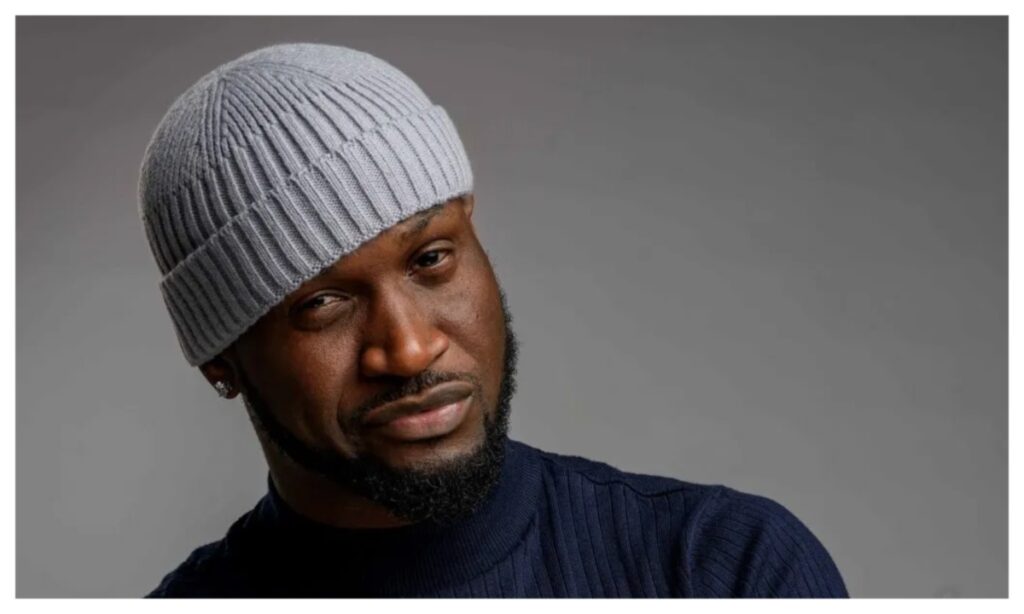
Peter, popularly known as Mr P, has been particularly vocal in the latest chapter.

He has made allegations concerning the management of P-Square’s business interests and financial affairs, including claims involving their former management structure and companies connected to Jude Okoye. Peter has also insisted that his dispute should not automatically be interpreted as an attack on Paul.
That distinction is important because the public often sees P-Square as two brothers rather than as a complex business involving artists, management, intellectual property, companies and multiple revenue streams.
Peter’s allegations should, however, be treated as allegations unless independently established. Recent reporting has also highlighted documents relating to an EFCC investigation involving entities and individuals connected to the former P-Square business.
Paul Okoye Sees the Situation Differently.

Paul, known professionally as Rudeboy, has historically presented a different perspective on the breakdown. The disagreement between the twins has never been limited to money. Their previous public exchanges have touched on creative contributions, management, personal relationships and the direction of the P-Square brand.
That is what makes the current situation so difficult to resolve.
Two brothers who once operated almost as one artistic identity now have separate careers, separate businesses and separate interpretations of what happened to their partnership. Their 2021 reconciliation created enormous optimism among fans, but the reunion eventually collapsed again.
Henry Okoye Raises Another Perspective.
Their elder brother Henry Okoye has now entered the discussion more directly.
Henry has expressed doubts that Peter and Paul will reconcile again, saying he is no longer confident that the twins can repair their relationship. He has also made allegations concerning Jude and the distribution of P-Square royalties, including a claim that he is owed a share of the group’s earnings.
Henry’s intervention adds another layer to the story because it demonstrates that the dispute is not simply about two artists who stopped working together. It has become a family conflict in which different members appear to have different understandings of what went wrong.
Jude Okoye’s Role Remains Central.
Jude Okoye, who played a major management role during P-Square’s rise, has remained at the centre of many of the allegations. The latest controversy has revived questions about his management of the brothers and their business interests.
But this is where responsible journalism becomes important. The public should distinguish between what Peter alleges, what Jude says in response, what documents establish and what remains disputed.
Social media has a tendency to turn allegations into facts within minutes. A serious entertainment publication should resist that temptation.
VeryDarkMan Learns the Cost of Getting Involved.
Social media activist VeryDarkMan also became involved in the dispute, offering commentary on the family conflict. But on August 9, he announced that he was withdrawing from the controversy following criticism of his involvement.
His experience illustrates something important about today’s entertainment industry: once a private dispute becomes public, everyone wants to become part of the story. Commentators, influencers, fans and celebrities can quickly turn a complicated family disagreement into a public trial. That rarely produces clarity.
Even the Entertainment Industry Is Divided.
The reactions from other entertainers have demonstrated just how emotionally invested the industry remains in the P-Square story.
Some Nigerian celebrities have publicly supported Peter, while fans have also taken sides and called on Paul to respond to Peter’s latest allegations. At the same time, other voices have urged the brothers to stop fighting publicly.
Singer Teni, for example, previously expressed confusion about the competing accounts from Peter, Paul and Jude and appealed to the brothers to put their differences aside. That may be the most reasonable position for an outsider.
The Bigger Problem Is the Business Structure.
This is where the P-Square story becomes bigger than celebrity gossip. For years, African entertainment has often been built around informal arrangements involving family members, friends and trusted associates.
The arrangement can work beautifully when everyone is united. But when relationships break down, questions about ownership, royalties, contracts, publishing, management fees, catalogues and intellectual property suddenly become extremely complicated.
P-Square’s experience demonstrates why successful African artists need professional business structures from the beginning. Family should never be a substitute for contracts. Trust should never replace financial reporting. And friendship should never eliminate proper corporate governance.
The Fans Are Losing More Than a Duo.
For millions of African fans, P-Square represents far more than Peter and Paul. The duo helped define an era of African pop music. Their songs crossed borders, their performances became international attractions, and their success demonstrated that Nigerian artists could build massive audiences across Africa and beyond.
That is why the continuing dispute is so painful for their audience. Fans are not simply watching two brothers disagree. They are watching a piece of African music history become increasingly associated with litigation, allegations and family conflict.
Perhaps the Real Lesson Is Bigger Than P-Square.
It is tempting to choose a winner. Peter’s supporters believe his allegations deserve attention. Paul’s supporters have their own interpretation of the history. Henry has offered another perspective, while Jude’s role continues to attract scrutiny.
But outsiders do not possess every document, conversation or financial record behind the dispute. The responsible position is therefore not to declare one brother innocent and another guilty based on social media posts.
The more valuable lesson is what the P-Square story teaches the African music industry.
Talent can build a music empire, but talent alone cannot protect it.
Artists need transparent companies, properly documented ownership, independent accounting, clearly defined contracts and professional management structures.
Because when family and business collapse into the same relationship, separating the two can become almost impossible.
What Happens to the P-Square Legacy?
Whether Peter and Paul ever perform together again remains uncertain. Henry has publicly expressed doubts about another reconciliation, while the latest developments suggest that the family dispute remains far from resolved.
But perhaps the greatest tragedy would be for the dispute to become bigger than the music itself. P-Square built something extraordinary.
The challenge now is whether the people connected to that legacy can protect what remains of it — even if the brothers can no longer rebuild the partnership that created it.

Comments (0)
No comments yet — be the first to share your thoughts.