

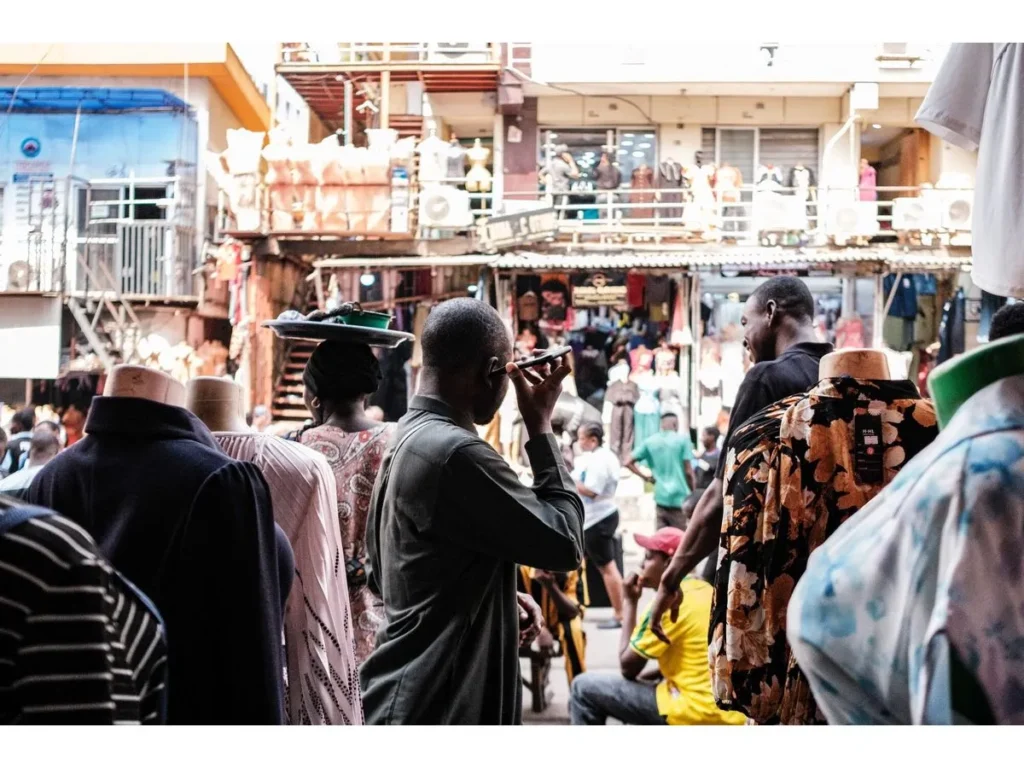
Nigeria’s inflation rate showed further signs of stabilising in June, offering cautious optimism for Africa’s largest economy even as millions of households continue to grapple with high food prices and the rising cost of living.
According to the National Bureau of Statistics (NBS), annual headline inflation remained broadly stable compared with the previous month, suggesting that aggressive monetary policies introduced by the Central Bank of Nigeria may be beginning to ease price pressures. Despite the improvement, inflation remains well above the government’s target, leaving many Nigerians struggling with the cost of everyday essentials.
Food Prices Continue to Drive Inflation
Although overall inflation has begun to level off, food inflation remains the biggest challenge for consumers.
Prices of staple foods, including rice, maize, beans, cooking oil, bread, and vegetables, continue to rise due to high transportation costs, insecurity affecting farming communities, exchange rate pressures, and the lingering effects of subsidy reforms introduced in recent years.

For many households, the cost of feeding a family now accounts for a growing share of monthly income, forcing consumers to reduce spending on other essential goods and services.
Economic Reforms Begin to Show Results
The Nigerian government has implemented a series of economic reforms aimed at restoring macroeconomic stability and attracting foreign investment.
These include the removal of long-standing fuel subsidies, reforms to the foreign exchange market, tighter monetary policy, and efforts to increase domestic revenue.
While the reforms initially contributed to sharp increases in inflation and living costs, economists say they are beginning to improve investor confidence and create conditions for long-term economic growth.
The Central Bank of Nigeria has also maintained relatively high interest rates in an effort to curb inflation and stabilise the naira.
Businesses Remain Under Pressure
Despite signs of improving economic stability, businesses continue to face higher operating costs.
Manufacturers, retailers, and transport operators have reported increased expenses linked to energy prices, logistics, imported raw materials, and exchange rate fluctuations. Many companies have been forced to pass these additional costs on to consumers, contributing to persistent inflation.
Small and medium-sized enterprises, which employ a significant portion of Nigeria’s workforce, remain particularly vulnerable to rising borrowing costs and reduced consumer purchasing power.
Investors Watch the Next Policy Moves
Financial markets are closely monitoring upcoming decisions by the Central Bank of Nigeria and the federal government.
Analysts believe future inflation trends will depend on several factors, including exchange rate stability, global commodity prices, agricultural output, and the success of ongoing fiscal reforms.
A sustained decline in inflation could encourage greater domestic and foreign investment while supporting stronger economic growth across key sectors such as manufacturing, agriculture, financial services, and technology.
Outlook Remains Cautiously Positive
Although inflation remains one of Nigeria’s biggest economic challenges, recent data suggests that the pace of price increases may be slowing after months of rapid acceleration.
Economists caution that bringing inflation back to comfortable levels will require continued fiscal discipline, improved agricultural production, stronger infrastructure, and policies that protect vulnerable households from rising living costs.
For now, the latest figures offer cautious hope that Africa’s largest economy is beginning to move towards greater price stability, even as millions of Nigerians continue to feel the effects of a prolonged cost-of-living crisis.

Comments (0)
No comments yet — be the first to share your thoughts.