
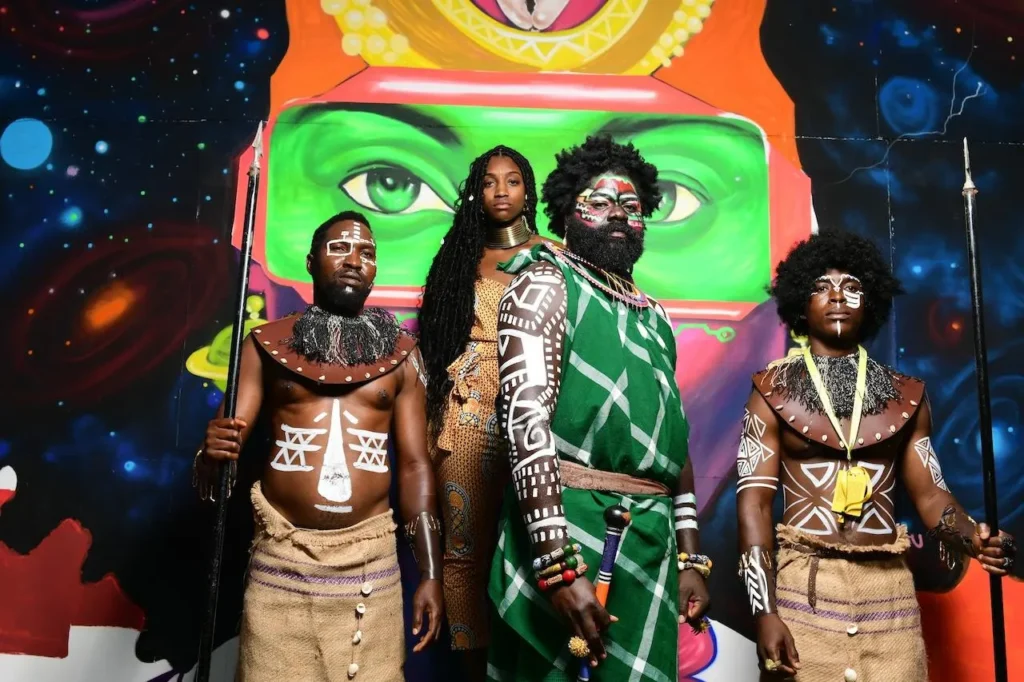
Every year, Africa hosts hundreds of music festivals that attract thousands of fans, millions of online viewers, and some of the biggest names in global entertainment. From Afro Nation and Cape Town International Jazz Festival to Bushfire Festival, Festival sur le Niger, MOGA Festival, Felabration, and dozens of emerging events, these festivals have become symbols of Africa’s cultural renaissance.
Yet behind the dazzling stages, international headliners, and sold-out crowds lies a difficult question that the industry rarely asks:
Are African music festivals truly creating tomorrow’s stars, or are they simply celebrating artists who are already famous?
The answer is uncomfortable. While festivals have become bigger and more commercially successful, many have done little to build sustainable pathways for emerging artists. If Africa wants its music industry to compete globally over the next decade, festivals must evolve from entertainment events into talent development platforms.

Festivals Have Never Been More Popular
Africa’s live music industry has grown dramatically over the past decade.
The global success of Afrobeats, Amapiano, Afro-fusion, and other African genres has created unprecedented demand for festivals showcasing African talent. Events now attract visitors from Europe, North America, Asia, and the Caribbean, contributing significantly to tourism and local economies.
South Africa’s Cape Town International Jazz Festival, often called “Africa’s Grandest Gathering,” has welcomed tens of thousands of attendees annually while featuring a mix of African and international artists. Afro Nation, launched in 2019, has expanded beyond Ghana to Portugal and the United States, demonstrating the worldwide appeal of African music.
Governments have also begun to recognise festivals as economic assets rather than purely cultural events. Countries such as Rwanda, Ghana, Morocco, and South Africa increasingly promote major festivals as part of their tourism strategies.
This growth should be creating unprecedented opportunities for new musicians.
Too often, it does not.
The Same Headliners Dominate Every Line-up
Look at the posters of many major African festivals over the past five years and a pattern quickly emerges.
The same handful of artists frequently headline multiple events. Burna Boy, Wizkid, Davido, Tems, Asake, Diamond Platnumz, Tyla, and a few other established names dominate festival circuits across the continent.
Their popularity is understandable. They sell tickets, attract sponsors, and generate media attention.
Festival organisers argue that booking internationally recognised artists reduces financial risk. Sponsors also prefer familiar names with proven commercial value.
But this creates a cycle where emerging artists receive limited exposure while established stars become even more dominant.
For many talented musicians, getting a festival slot remains more difficult than producing a hit song.
Discovery Is Becoming an Afterthought
Historically, festivals played an important role in discovering new talent.
Events such as South by Southwest (SXSW) in the United States helped launch careers for artists including John Mayer, Billie Eilish, Lizzo, and The White Stripes long before they became global stars.
The Montreux Jazz Festival in Switzerland famously provided early international exposure to artists such as Prince, Etta James, and George Benson.
Africa has relatively few festivals with structured talent discovery programmes of comparable scale.
Many festivals advertise “emerging artist” categories, but these performances are often scheduled early in the day before large audiences arrive. Headline acts receive prime evening slots, while newcomers perform to half-empty venues with minimal media coverage.
Exposure matters—but timing matters just as much.
The Industry Needs More Than Performance Slots
Simply allowing an artist to perform is no longer enough.
Today’s musicians need access to managers, publishers, distributors, booking agents, investors, streaming platforms, producers, and international media.
Some African festivals have started integrating business conferences, workshops, and networking events.
Examples include Music In Africa Conference for Collaborations, Exchange and Showcases (ACCES) and Visa For Music in Morocco, which combine performances with discussions on copyright, publishing, digital distribution, touring, and music business development.
These initiatives demonstrate what is possible.
However, they remain exceptions rather than the norm.
Imagine if every major African festival included mentorship programmes, songwriting camps, label showcases, investment forums, and live audition opportunities.
The impact on Africa’s creative economy could be transformative.
Technology Has Changed Talent Discovery
Festival organisers are no longer the only gatekeepers.
Platforms such as TikTok, Spotify, Audiomack, Boomplay, YouTube, and Apple Music now introduce millions of listeners to new artists every day.
A song can become a continental hit before its creator has ever performed on a major stage.
Nigerian singer Qing Madi built a massive online following while still a teenager through digital platforms. South African artists behind the global Amapiano movement similarly gained international recognition through streaming services and social media before many traditional institutions fully embraced them.
This raises another important question.
If digital platforms are discovering more talent than festivals, what unique role should festivals play?
The answer lies in helping artists build sustainable careers rather than viral moments.
Festivals Should Invest in Artists, Not Just Performances
Some industry leaders have argued that festivals should allocate a portion of their budgets to artist development.
Music entrepreneur Mr Eazi, through his emPawa Africa initiative, has repeatedly advocated for investing directly in emerging talent by providing funding, mentorship, and industry support rather than simply showcasing finished products.
Similarly, Bose Ogulu, manager of Burna Boy, has often stressed that African artists need stronger business structures, professional management, and international partnerships to compete globally.
Festivals are ideally positioned to facilitate these connections.
Instead of viewing artists solely as performers, organisers could see them as long-term partners whose success strengthens the festival’s own reputation.
Governments Have a Role to Play
Many African governments provide financial or logistical support for cultural festivals.
Public funding should come with expectations.
Festivals receiving government support could be encouraged to dedicate a percentage of their programme to emerging artists, organise educational workshops, and create opportunities for regional talent from underserved communities.
This would align cultural investment with broader economic objectives such as youth employment, entrepreneurship, and creative industry development.
UNESCO estimates that the global cultural and creative industries generate more than US$2 trillion annually and support nearly 50 million jobs worldwide.
Africa has the talent to claim a larger share of that market—but only if it develops stronger creative ecosystems.
The Verdict
African music festivals have become world-class events.
They attract international audiences, global sponsors, and some of the biggest names in entertainment.
But success should not be measured only by ticket sales or celebrity appearances.
The true legacy of a festival lies in the careers it helps launch.
If the next generation of African superstars continues to emerge primarily from TikTok rather than festival stages, then the continent’s biggest music events will have missed one of their greatest opportunities.
Festivals should not merely celebrate African music.
They should help shape its future.
The artist who headlines tomorrow’s biggest stage may already be writing songs in a bedroom somewhere in Douala, Kisumu, Goma, Windhoek, or Banjul.
Africa’s festivals should be the place where that journey begins—not where it finally ends.
Comments (0)
No comments yet — be the first to share your thoughts.