

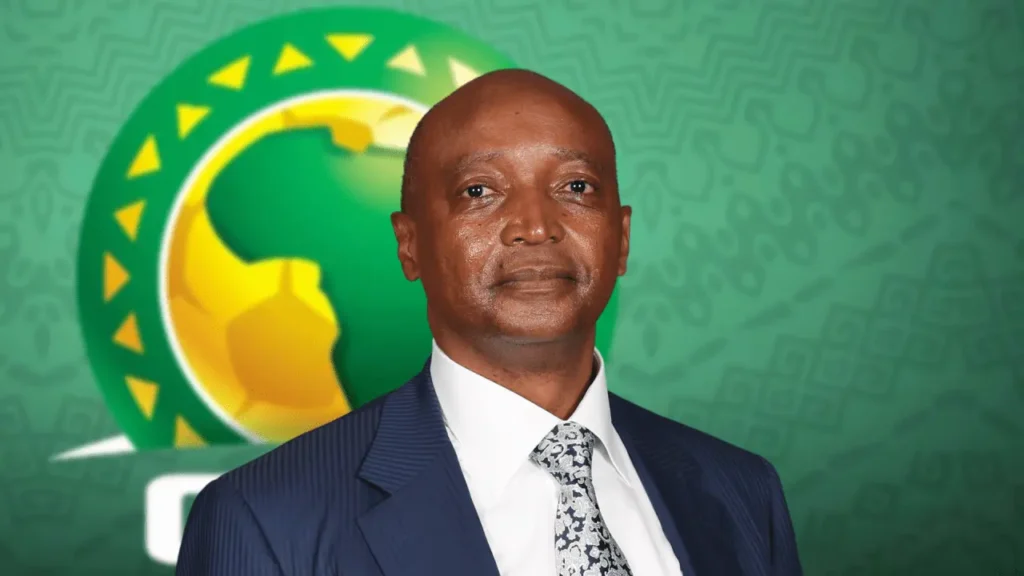
African football is entering a new era as a new generation of players, stronger club investments and growing international attention begin to reshape the sport on the continent. For decades, Africa was mainly viewed as a source of football talent for European clubs, with many of its best players leaving local leagues at young ages. Today, however, clubs, investors and football organisations are working to build stronger systems that allow Africa to benefit more from its own talent.
The transformation is happening across different areas of the game. African players continue to dominate global football, local clubs are becoming more professionally managed, women’s football is expanding and new competitions are attempting to create stronger commercial opportunities. The biggest question now is whether Africa can move beyond producing exceptional players and build a football industry capable of generating long term economic value.
African Stars Changing Global Football
African players have continued to prove that they belong among the world’s best footballers. Over the past decade, names such as Mohamed Salah, Sadio Mané, Victor Osimhen and Achraf Hakimi have become symbols of African excellence at the highest level of the sport.
Egyptian forward Mohamed Salah has become one of Africa’s most successful footballers in history. Since joining Liverpool in 2017, Salah has won the UEFA Champions League, Premier League and several individual awards. His performances have helped change global perceptions of African players, showing that footballers from the continent can consistently compete among the world’s elite.

Senegal’s Sadio Mané also played a historic role in changing the image of African football. During his time at Liverpool, where he played alongside Salah, Mané helped the club win the Champions League in 2019 and the Premier League title in the 2019/2020 season. His success represented the quality of football talent emerging from West Africa.
Nigeria’s Victor Osimhen has become one of the most recognised African strikers of his generation. His performances with Napoli helped the Italian club win the Serie A title during the 2022/2023 season, ending a 33 year wait for the championship. Osimhen’s success also highlighted the growing commercial value of African footballers.
Morocco’s Achraf Hakimi represents another generation of African players who have reached the highest level. His performances with Paris Saint Germain and the Moroccan national team have established him as one of the world’s leading full backs. His contribution to Morocco’s historic run to the 2022 FIFA World Cup semi finals helped inspire a new generation across the continent.
From Talent Export to Football Industry
For many years, African football followed a familiar pattern. Young players developed their skills locally before moving to European clubs, where they generated significant financial value. While African nations benefited from the success of these players internationally, many local clubs struggled to build strong financial structures.
That model is slowly changing as investors begin to view African football as a serious business opportunity.
South Africa’s Mamelodi Sundowns has become one of the strongest examples of how professional management can transform a football club. Under the ownership of businessman Patrice Motsepe, the club has invested in training facilities, scouting networks and modern management systems. Its success has shown that African clubs can compete when they combine sporting ambition with business discipline.
In Nigeria, businessman Kunle Soname has invested heavily in Remo Stars, developing the club into one of the country’s most organised football projects. The club has focused on youth development, professional structures and creating pathways for young Nigerian players.
These examples demonstrate that African football does not only need talented players. It needs strong institutions capable of developing talent and creating sustainable revenue.
Morocco, Egypt and South Africa Leading Club Development
Several African countries have emerged as important football centres because of their investment in infrastructure, competitions and player development.
Morocco has become one of Africa’s strongest football nations after years of investment in academies, facilities and professional structures. The country’s success at the 2022 FIFA World Cup, where the national team became the first African and Arab country to reach the semi finals, increased global attention on Moroccan football.
Moroccan clubs such as Wydad Casablanca and Raja Casablanca have built strong continental reputations through success in CAF competitions and passionate supporter bases.
Egypt continues to dominate African club football through Al Ahly, one of the most successful football clubs in the world by continental achievements. The club has built a strong commercial identity and remains a symbol of how African clubs can develop powerful brands.
South Africa has also invested significantly in professional football through improved league structures, broadcasting agreements and stadium infrastructure. Clubs such as Mamelodi Sundowns have demonstrated the potential of African teams when they receive consistent investment.
The Push for Stronger African Competitions
One of the biggest attempts to improve African club football has been the creation of the African Football League. The competition was designed to bring together some of the continent’s strongest clubs while increasing revenue opportunities through broadcasting, sponsorship and international exposure.
For decades, African clubs have struggled to compete financially with European teams because local broadcasting revenues and commercial deals have remained limited. Many clubs have depended on selling their best players abroad as their main source of income.
A stronger continental competition could help change this situation by creating more financial opportunities and allowing clubs to retain talent for longer periods.
However, the success of such competitions will depend on good management, investment and the ability to attract global audiences.
Women’s Football Is Rising Across Africa
The transformation of African football is also happening in the women’s game.
Women’s football has experienced significant growth in recent years, with national teams attracting more supporters and receiving greater investment.
Nigeria’s Super Falcons remain one of Africa’s most successful women’s teams. The country has dominated African women’s football for decades and continues to produce world class players.
South Africa’s Banyana Banyana achieved a historic milestone by winning the Women’s Africa Cup of Nations in 2022. The victory increased attention on women’s football in the country and encouraged more investment in the sport.
Morocco has also become a major force after its women’s national team reached the knockout stage of the 2023 FIFA Women’s World Cup. The achievement was historic because Morocco became the first Arab and North African women’s team to reach that stage of the competition.
Despite this progress, women’s football still faces challenges including limited funding, unequal facilities and fewer professional opportunities compared with men’s football.
The Challenges Holding African Football Back
Despite the progress, African football still faces major structural challenges.
Many local leagues continue to struggle with limited broadcasting income, poor stadium facilities, weak administration and financial instability. The continent has produced some of the world’s greatest players, but many domestic competitions still lack the resources required to compete with global football markets.
Another challenge is the continued movement of young players to Europe at very early ages. For many families, European football represents economic opportunity and a better career pathway. However, this also means African leagues often lose their most promising talents before they reach their full potential.
The solution requires stronger academies, better coaching systems and more competitive domestic leagues.
The Future of African Football
The next decade could represent a turning point for African football. With a young population, passionate supporters and increasing private investment, the continent has the foundation to build one of the world’s fastest growing sports industries.
The focus must now move beyond producing individual stars. Africa needs stronger clubs, better competitions and professional systems that allow players and organisations to grow together.
The success of African football should not only be measured by how many players succeed in Europe. It should also be measured by how many jobs, businesses and opportunities the sport creates within Africa.
The Bigger Picture
African football has already proven that it has the talent to compete with the best in the world. The performances of Morocco, Senegal, Nigeria, Egypt and South Africa have changed how global audiences view the continent’s football potential.
The next challenge is building an industry that matches the talent.
Africa has always had the players. The future will depend on whether it can build the structures, investments and businesses needed to support them.

Comments (0)
No comments yet — be the first to share your thoughts.