
Heavy Rains Trigger Deadly Collapse at Major Waste Site.
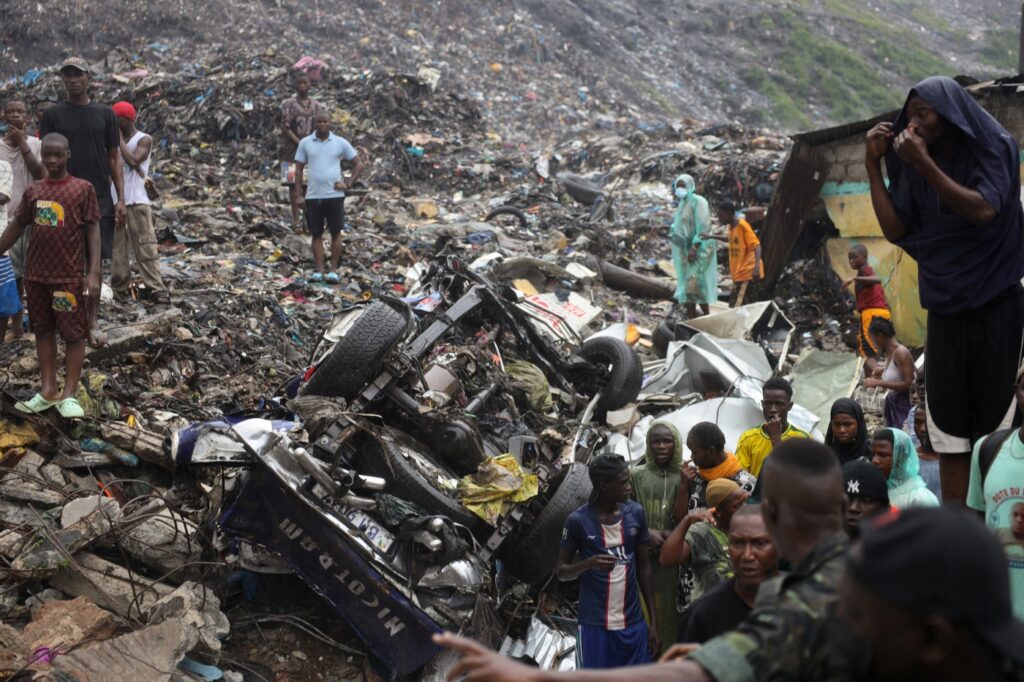
At least 30 people have died in Guinea’s capital, Conakry, after a massive landslide at a landfill buried tents and makeshift structures following heavy overnight rains. The Guinean government confirmed the deaths as rescue and recovery operations continued in the affected area.
The collapse occurred as heavy rainfall hit the capital, sending a huge mass of waste and debris down the landfill. People living or working around the site were caught in the collapse, raising fresh concerns about the safety of communities located close to major waste-disposal areas.
Disaster Highlights Conakry’s Waste Management Crisis.
The tragedy has renewed attention on the challenges facing Conakry as the city’s population continues to grow. Informal settlements and economic activities have developed around waste-disposal sites, leaving vulnerable communities exposed to landslides and other environmental hazards.
The disaster also raises questions about how waste sites are managed and whether adequate safety measures are in place to protect people living nearby. For many residents, waste management is not simply an environmental issue but a question of public safety and urban planning.

Heavy Rainfall Adds to the Risk.
The collapse followed heavy rains overnight, demonstrating how extreme weather can amplify existing weaknesses in urban infrastructure. When large quantities of rainwater penetrate unstable piles of waste and soil, the risk of landslides can increase significantly.
Authorities now face the difficult task of recovering victims while assessing whether other sections of the landfill remain unstable. The immediate priority is finding survivors and securing the area against further collapses.
A Wider Warning for African Cities.
The tragedy comes as many African cities struggle to keep pace with rapid population growth and increasing volumes of waste. Poorly managed landfills, informal settlements and inadequate drainage systems can combine to create serious risks during periods of heavy rainfall.
For Guinea, the Conakry disaster is therefore likely to intensify calls for stronger waste-management policies and safer urban planning. The immediate loss of life has once again exposed the consequences of leaving vulnerable communities close to hazardous infrastructure.
The death of at least 30 people in Conakry is a devastating reminder that waste management and urban safety cannot be treated as separate issues. As rescue efforts continue, the tragedy is likely to fuel renewed demands for safer landfill management, better protection for surrounding communities and stronger preparedness for extreme weather events.

Comments (0)
No comments yet — be the first to share your thoughts.