

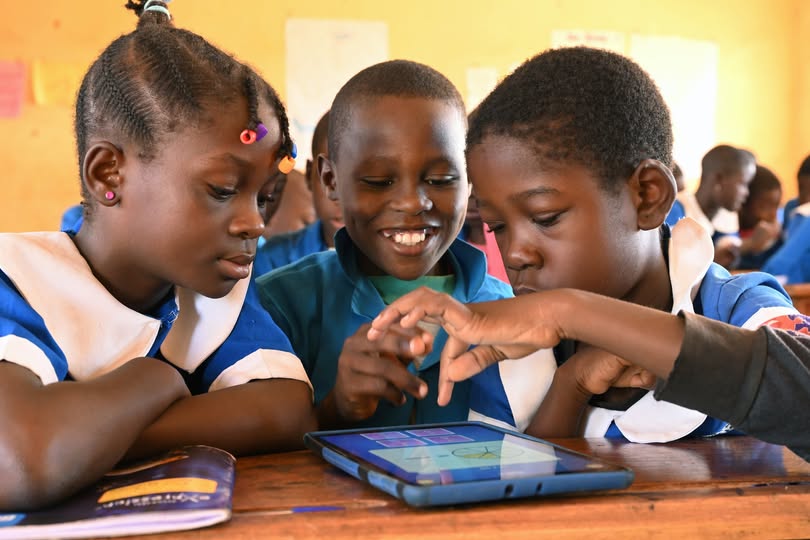
Cameroon is expanding digital education infrastructure across its three northern regions, with 130 schools in Adamawa, the North and Far North set to benefit from improved internet connectivity and digital services.
The initiative follows a framework agreement between Cameroon Telecommunications, CAMTEL, and the Ministry of Secondary Education aimed at extending digital access to schools outside the country’s major urban centres.
Under the programme, participating schools are expected to gain access to internet connectivity, telephone services, online platforms, secure digital storage and technical support.
The project comes as Cameroon continues to face a significant digital divide between well-connected urban schools and institutions in remote communities.

Bringing digital education closer to students.
For students in northern Cameroon, access to digital learning resources can make a significant difference.
Schools with reliable internet can access educational platforms, digital libraries, research materials and online training that may not be available through traditional classroom resources.
This is particularly important in regions where schools can face shortages of textbooks, specialised teachers and other educational materials.
Digital connectivity cannot replace teachers or physical infrastructure, but it can give both teachers and students access to a much wider pool of information.
The northern regions face a wider infrastructure gap.
Adamawa, North and Far North are among the regions where educational and digital infrastructure remains uneven.
Large distances between communities can make it expensive and difficult to extend telecommunications infrastructure.
Some schools also face challenges related to electricity supply, equipment maintenance and teacher training.
Connecting a school to the internet is therefore only the first step.
For the programme to have a lasting impact, schools will need functioning computers, reliable electricity and teachers who are trained to integrate digital tools into everyday teaching.
CAMTEL’s existing network.
The new initiative builds on CAMTEL’s existing digital education infrastructure.
The telecommunications operator already supports a network of multimedia centres and hundreds of computer rooms and laboratories across Cameroon.
Expanding that network into more schools in the northern regions could help create a broader national digital education system.
The objective is not simply to provide internet access but to integrate schools into a wider digital ecosystem.
That could eventually allow institutions to communicate more easily, access centralised resources and participate in online educational programmes.
Why digital education matters for Cameroon.
Cameroon is increasingly positioning digital technology as an important part of its economic future.
The country wants to develop a stronger digital economy, but that ambition depends heavily on the skills of the next generation.
Students who grow up without access to computers and digital resources risk entering the labour market at a disadvantage.
The digital divide can therefore become an economic divide.
Providing schools in underserved regions with connectivity is one way of reducing that gap before students reach university or the workplace.
Connectivity must be matched with skills.
The biggest challenge will be ensuring that the new infrastructure is actually used.
A connected school can still struggle to benefit from digital education if teachers lack training or if equipment remains locked away because staff are unsure how to use it.
Teacher training will therefore be critical.
Schools will also require regular technical support to deal with equipment failures, cybersecurity issues and connectivity problems.
Without these elements, digital education projects can lose effectiveness after the initial investment.
A step toward a more connected Cameroon.
The connection of 130 schools is significant because it extends digital infrastructure beyond the country’s major urban centres.
For students in Adamawa, the North and Far North, the project could provide access to learning opportunities that were previously difficult to reach.
The long-term value of the initiative, however, will depend on whether Cameroon can sustain investment in connectivity, equipment, electricity and digital skills.
If those pieces come together, the programme could become more than a telecommunications project.
It could help narrow Cameroon’s education gap and give students in some of the country’s most underserved regions a stronger connection to the digital economy.

Comments (0)
No comments yet — be the first to share your thoughts.