
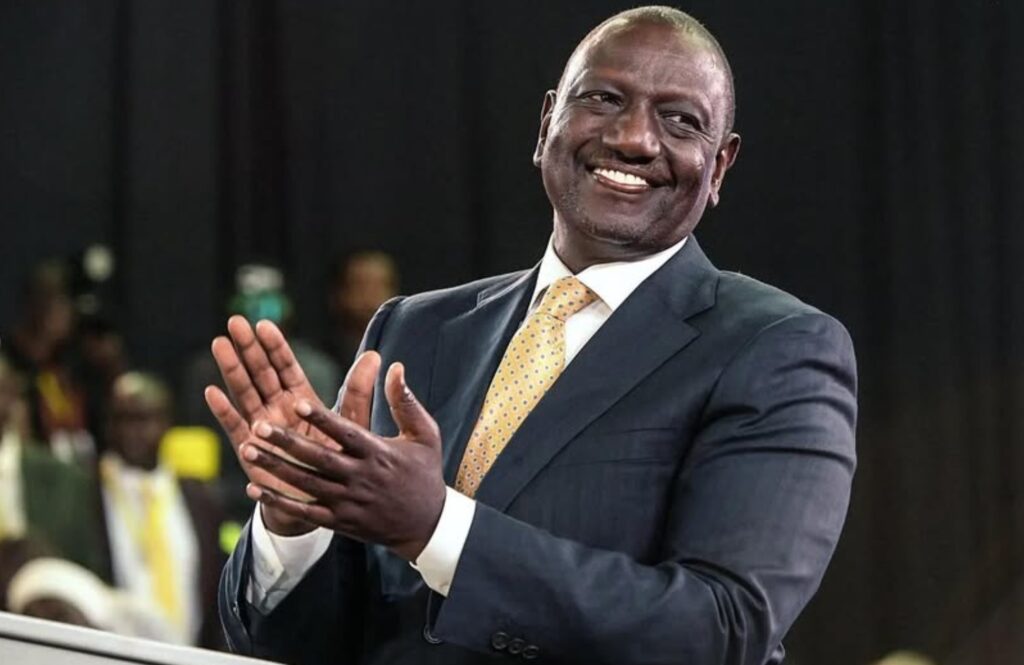
When William Ruto became President of Kenya in September 2022, his victory was built around a powerful political message: that ordinary Kenyans, especially young people and small business owners, deserved a bigger place in the country’s economy. His “hustler” movement connected with millions of citizens who felt ignored by Kenya’s traditional political establishment.
For many young Kenyans, Ruto represented the possibility of change. He spoke directly to a generation facing unemployment, rising living costs and limited economic opportunities. His promise was not simply political power; it was economic empowerment.
Nearly four years into his presidency, the question facing Kenya is whether that promise has translated into real improvements for the young population that supported him.
The President of the Hustlers
William Ruto’s political identity was built around the idea that Kenya’s economy should work for ordinary citizens rather than only established businesses and political elites.

During his 2022 campaign, he positioned himself as a leader who understood the struggles of small traders, farmers, young entrepreneurs and informal workers. His bottom-up economic model promised to support millions of Kenyans operating outside the formal economy.
The message was effective because it reflected a reality many young Kenyans understood. Kenya has one of Africa’s most youthful populations, with more than 75% of its population below the age of 35, according to demographic estimates.
However, youthfulness alone does not guarantee economic opportunity.
Every year, hundreds of thousands of young Kenyans enter the labour market, creating enormous pressure on the government to generate jobs, expand industries and provide pathways for entrepreneurship.
Economic Reforms Versus Public Expectations
One of Ruto’s biggest challenges has been balancing economic reforms with public expectations.
His administration inherited a country facing significant debt pressure, high public spending and economic challenges worsened by global inflation. To address these issues, the government introduced reforms aimed at increasing government revenue and reducing borrowing.
However, some of these measures, particularly new taxes introduced through the Finance Act, triggered widespread criticism from citizens who argued that the cost of living was already too high.
In 2024, thousands of young Kenyans participated in nationwide protests, particularly through online movements led by Generation Z activists. The demonstrations showed a new reality in Kenyan politics: young citizens were becoming more organised, more vocal and less willing to accept traditional political promises without results.
The protests forced the government to reconsider some proposals and highlighted the growing influence of Kenya’s youth movement.
The Employment Challenge Remains
The biggest test of Ruto’s presidency may not be political popularity but employment creation.
Kenya has invested heavily in technology, entrepreneurship programmes and digital opportunities. Initiatives such as the Hustler Fund, launched in 2022, were designed to provide affordable financing to small businesses and individuals who struggled to access traditional banking services.
The fund has attracted millions of users, with billions of Kenyan shillings disbursed to borrowers.
Supporters argue that such programmes provide important financial support for small entrepreneurs. Critics, however, say access to small loans alone cannot solve Kenya’s deeper employment challenges.
Young people need more than credit. They need industries capable of creating stable jobs.
Technology, manufacturing, agriculture, tourism and creative industries will all need to expand if Kenya wants to absorb its growing workforce.
A Digital Generation Demands More
One of the biggest changes under Ruto’s presidency has been the growing political influence of Kenya’s digital generation.
Young Kenyans are among Africa’s most connected citizens. They use social media platforms not only for entertainment but also for activism, political debate and organising.
The 2024 youth-led protests demonstrated that Kenya’s younger generation is willing to challenge government decisions directly.
Unlike previous political movements driven mainly by established parties, this new generation is more decentralised and driven by issues such as taxation, unemployment, corruption and accountability.
For President Ruto, this represents both a challenge and an opportunity.
If his government can deliver meaningful economic opportunities, young Kenyans could become the strongest supporters of his legacy. If not, the same generation that helped strengthen his political movement could become his biggest critics.
The Bigger Question for Africa
Kenya’s experience reflects a wider challenge facing African leaders.
Across the continent, governments are dealing with rapidly growing youth populations that are demanding better jobs, stronger economies and greater participation in decision-making.
Leaders can no longer rely only on political speeches and election promises. Young Africans are increasingly measuring governments through practical results: jobs created, businesses supported, education improved and living conditions strengthened.
Ruto’s presidency will therefore be judged not only by infrastructure projects or economic statistics but by whether ordinary young Kenyans feel they have better opportunities.
The Verdict Is Still Being Written
William Ruto’s supporters argue that economic transformation requires difficult decisions and that long-term reforms cannot produce immediate results. They point to investments in digital infrastructure, financial inclusion and economic restructuring as foundations for future growth.
Critics argue that reforms must also consider the daily realities of citizens struggling with unemployment and rising costs.
The truth may lie somewhere between both arguments.
Ruto inherited significant economic challenges, but he also made bold promises to a generation that expected change. The success of his presidency will depend on whether those promises eventually become visible improvements in the lives of Kenya’s young population.
The “hustler revolution” was built on the hopes of millions.
Now, Kenya’s youth are waiting to see whether that revolution will become an economic reality.

Comments (0)
No comments yet — be the first to share your thoughts.