

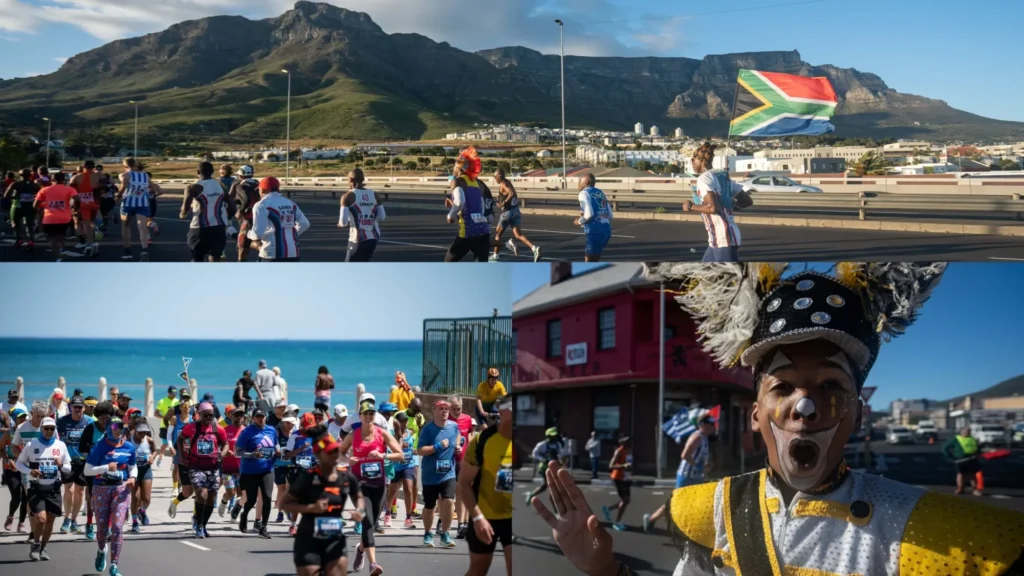
Africa is increasingly turning sports into a powerful economic tool as countries compete to attract international events, visitors and investment through athletics, football, basketball, rugby and other major sporting activities. Beyond the excitement of competition, governments are beginning to recognise that sports can drive tourism, create jobs, improve infrastructure and strengthen national brands.
For years, Africa was known primarily for producing world class athletes who competed abroad. Today, a growing number of countries are trying to become destinations where major sporting events are hosted, fans travel, businesses invest and local economies benefit.
The race is no longer only about winning competitions. It is about building a sports economy.
From Athletes to Destinations
Africa has always had exceptional sporting talent, but the continent has often struggled to benefit economically from that success.

A Kenyan marathon runner may win a global race in Europe, a Nigerian footballer may become a star in England, or a South African rugby player may lift an international trophy, but much of the financial value is usually generated outside Africa.
Sports tourism represents an opportunity to change that model.
When countries host major competitions, the benefits extend beyond the athletes. Hotels receive visitors, airlines increase activity, restaurants attract customers, local businesses gain exposure and cities improve their international reputation.
Countries are now competing to position themselves as sporting destinations.
Morocco’s World Cup Strategy
Morocco is one of the strongest examples of how African countries are using sport as part of a wider economic strategy.
After the national team’s historic performance at the 2022 FIFA World Cup in Qatar, where Morocco became the first African and Arab nation to reach the semi finals, the country’s global image changed significantly.
The achievement created renewed interest in Moroccan football, culture and tourism.
The country’s preparations to co host the 2030 FIFA World Cup with Spain and Portugal have accelerated investment in stadiums, transport systems, airports and hospitality infrastructure.
Morocco wants the tournament to become more than a football celebration. It wants the event to strengthen tourism and create long term economic opportunities.
Rwanda’s Sports Tourism Model
Rwanda has become one of Africa’s most ambitious countries in using sports to promote tourism and investment.
The country has invested heavily in becoming a regional sports hub, particularly through basketball and cycling.
The Basketball Africa League (BAL) has played an important role in this strategy. Since the league began in 2021, Kigali has hosted major games and positioned itself as one of Africa’s leading basketball destinations.
The BK Arena has become a symbol of Rwanda’s sports ambitions, attracting international teams, fans and media attention.
Rwanda has also used cycling to promote its tourism sector. The country hosts the Tour du Rwanda, one of Africa’s most recognised cycling events, attracting international athletes and showcasing the country’s landscapes to global audiences.
The strategy is clear: use sport to tell a national story.
South Africa’s Experience After the 2010 World Cup
South Africa remains Africa’s most significant example of sports tourism through the hosting of the 2010 FIFA World Cup.
The tournament was the first World Cup held on African soil and attracted visitors from around the world.
South Africa invested billions of dollars into stadiums, transport networks and urban development projects.
The tournament improved the country’s global image and demonstrated that Africa could successfully organise major international sporting events.
However, it also created important lessons.
Some stadiums struggled to generate enough revenue after the tournament, raising questions about how countries should plan for long term use of sports infrastructure.
The experience showed that hosting major events requires careful planning beyond the competition itself.
Football Remains Africa’s Biggest Sports Attraction
Football continues to dominate Africa’s sports market.
The passion for the game across the continent creates enormous commercial potential.
Major football tournaments such as the Africa Cup of Nations (AFCON) attract millions of viewers and provide opportunities for tourism, advertising and business partnerships.
Countries such as Côte d’Ivoire, Egypt, Senegal and Cameroon have used football competitions to promote their culture and attract visitors.
The challenge is ensuring that these events create lasting economic value instead of temporary excitement.
The Growth of Athletics Tourism
Athletics is another area where Africa has significant potential.
East African countries, especially Kenya and Ethiopia, have dominated global long distance running for decades.
Kenya’s reputation as a marathon powerhouse has created opportunities for sports tourism, particularly through training camps and international running events.
Athletes from around the world travel to Kenya’s high altitude training regions in places such as Iten to prepare for competitions.
This has created economic opportunities for coaches, accommodation providers, transportation companies and local businesses.
Ethiopia has also used its rich athletics history, including legends such as Haile Gebrselassie and Kenenisa Bekele, to strengthen its sporting identity.
The Business Opportunity Behind Sports Events
The sports tourism industry is much larger than ticket sales.
Major events create opportunities in several sectors, including:
Hospitality
Visitors need hotels, restaurants and travel services.
Transportation
Airlines, taxi companies and transport providers benefit from increased movement.
Media and Entertainment
Events create demand for broadcasters, content creators and digital platforms.
Local Businesses
Small businesses can benefit from increased consumer activity.
This is why countries are increasingly viewing sports as part of economic development strategies.
The Infrastructure Challenge
Despite the opportunity, many African countries still face challenges in developing sports tourism.
The biggest obstacle is infrastructure.
Successful sports tourism requires:
- Modern stadiums.
- Reliable transport.
- Quality hotels.
- International airports.
- Strong security systems.
- Professional event management.
Without these foundations, countries struggle to attract major competitions.
Investment must also consider what happens after events end.
A stadium should not only serve one tournament. It should become part of a long term sports and entertainment economy.
Technology Changing Sports Tourism
Technology is creating new opportunities for African sports.
Digital platforms allow fans around the world to follow African competitions, discover destinations and engage with athletes.
Social media has become an important marketing tool for countries trying to promote sports events internationally.
A young fan watching a cycling race in Rwanda or a football match in Morocco online may become a future tourist.
The connection between sport, media and tourism is becoming stronger.
The Future of Africa’s Sports Economy
Africa has the ingredients needed to become a major sports tourism market.
The continent has:
- A young population.
- Passionate fans.
- World class athletes.
- Rich cultural diversity.
- Growing investment.
The challenge is creating coordinated strategies that connect sports with tourism, infrastructure and business development.
Countries that succeed will not only host events.
They will build industries around them.
The Bigger Picture
Sports tourism represents a new opportunity for Africa to change how the world sees the continent.
For decades, Africa’s sporting story was mainly about talent leaving for international stages.
The future could be different.
Africa can become the place where athletes develop, competitions happen, fans travel and businesses grow.
The continent has already produced champions.
Now it must build the platforms that allow those champions to create economic opportunities at home.
Comments (0)
No comments yet — be the first to share your thoughts.