

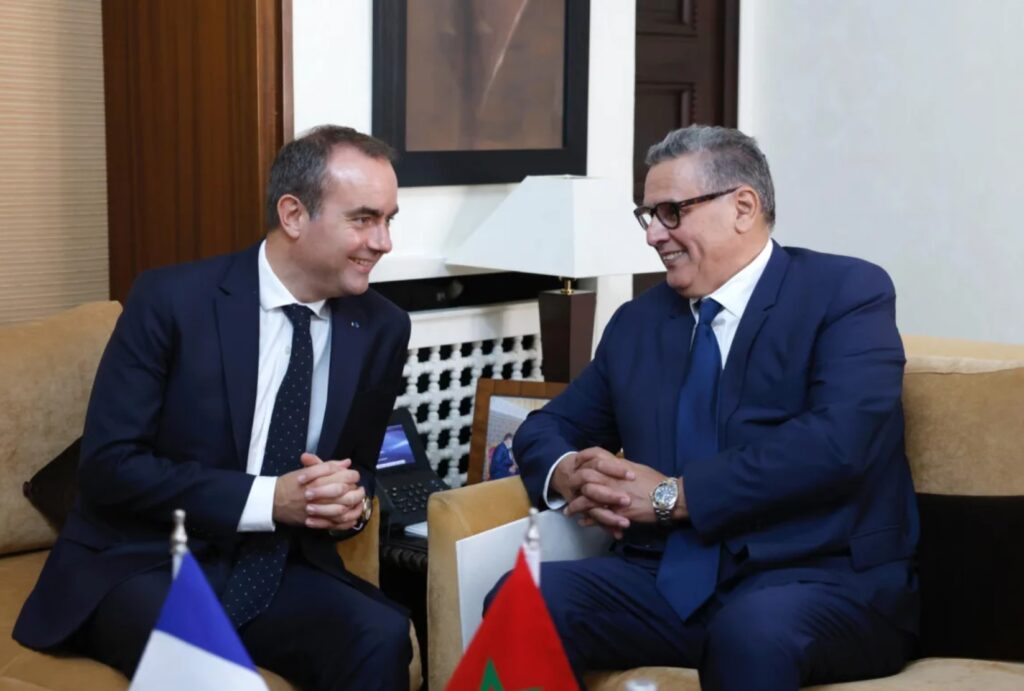
Morocco and France have reaffirmed their long-standing strategic partnership through a series of high-level diplomatic engagements aimed at expanding cooperation in trade, investment, infrastructure, security and renewable energy. The renewed momentum in bilateral relations comes as both countries seek to strengthen economic ties while responding to shifting geopolitical and security dynamics in North Africa, Europe and the Sahel.
The latest meetings between senior Moroccan and French officials have resulted in new commitments to deepen collaboration across multiple sectors, with both governments describing the relationship as entering a “new phase” built on mutual trust and shared economic interests. The diplomatic activity follows months of intensified cooperation after France formally expressed support for Morocco’s autonomy plan for the Western Sahara in 2024, a move that significantly improved relations between Rabat and Paris after a period of diplomatic strain.
From Diplomatic Tension to Renewed Cooperation
Relations between Morocco and France have not always been smooth in recent years.
Although France has traditionally been one of Morocco’s closest European partners, disagreements over immigration policy, intelligence cooperation and differing diplomatic positions on regional issues created tensions between the two governments.

Those differences began to ease following a series of high-level exchanges that culminated in French President Emmanuel Macron’s renewed commitment to strengthening ties with Morocco.
Political analysts say the relationship has since shifted from diplomatic caution to active strategic cooperation, with both governments recognising the importance of working together on economic development, regional security and international diplomacy.
Trade and Investment Drive the Partnership
Economic cooperation remains the foundation of the relationship.
France is one of Morocco’s largest foreign investors and among its most important trading partners.
French companies operate across a wide range of sectors in Morocco, including:
- Automotive manufacturing.
- Aerospace.
- Banking.
- Renewable energy.
- Telecommunications.
- Infrastructure.
- Transport.
Morocco has also become an increasingly attractive destination for European manufacturers seeking production facilities closer to EU markets.
The country’s modern ports, expanding industrial zones and extensive free trade agreements have strengthened its position as a gateway between Europe and Africa.
Officials from both governments say increasing investment and industrial cooperation will remain a priority over the coming years.
Renewable Energy and Green Industry
One of the fastest-growing areas of cooperation is renewable energy.
Morocco has positioned itself as one of Africa’s leading investors in solar and wind energy, while France has expressed interest in supporting green hydrogen production, electricity infrastructure and climate-related projects.
The North African country has invested heavily in renewable energy over the past decade, including the internationally recognised Noor Ouarzazate Solar Complex.
French companies are expected to participate in additional projects linked to clean energy, sustainable transport and industrial decarbonisation.
Analysts believe green investment could become one of the defining pillars of the partnership as Europe accelerates its energy transition.
Security Cooperation Expands
Security remains another key area of collaboration.
Morocco and France continue to cooperate on:
- Counter-terrorism.
- Intelligence sharing.
- Organised crime.
- Border security.
- Cybersecurity.
The growing instability across the Sahel has reinforced the importance of security partnerships between North African and European countries.
With military governments now leading several Sahel states and terrorist groups remaining active across the region, both Rabat and Paris see closer cooperation as essential for regional stability.
Officials have emphasised that security cooperation must be accompanied by economic development to address the root causes of instability.
Morocco’s Growing African Influence
Morocco has steadily expanded its diplomatic and economic presence across Africa.
Moroccan banks, telecommunications companies and insurance firms now operate in dozens of African countries.
The kingdom has also invested in agriculture, fertiliser production and infrastructure across West and Central Africa.
France increasingly views Morocco as an important partner for engaging with African markets.
Rather than competing for influence, the two countries are exploring opportunities for joint investment projects that combine Moroccan regional expertise with French capital and technology.
Business leaders believe this approach could strengthen commercial links between Europe and Africa while supporting industrial development across the continent.
Western Sahara Still Shapes Diplomacy
Despite the renewed partnership, the issue of Western Sahara continues to influence regional diplomacy.
France’s endorsement of Morocco’s autonomy proposal marked a significant diplomatic shift and was welcomed by Rabat as recognition of its position on one of its most important foreign policy priorities.
However, the decision also generated criticism from Algeria, which supports the Polisario Front and advocates for a referendum on self-determination.
As a result, France now faces the challenge of strengthening relations with Morocco while managing broader diplomatic relationships across North Africa.
Political observers note that the Western Sahara issue is likely to remain an important factor in regional diplomacy for years to come.
Opportunities for Business
The strengthened partnership creates new opportunities for businesses in both countries.
Moroccan companies are expected to benefit from greater access to French investment, technology and industrial partnerships.
French firms, meanwhile, continue to view Morocco as a competitive manufacturing base and a strategic platform for expanding into African markets.
Sectors expected to benefit include:
- Automotive production.
- Aviation.
- Logistics.
- Digital technology.
- Agriculture.
- Renewable energy.
- Financial services.
Economic analysts believe increased cooperation could also encourage greater investment under the African Continental Free Trade Area (AfCFTA), where Morocco continues to position itself as a regional trade hub.
Why This Matters for Africa
The relationship between Morocco and France reflects broader changes in Africa’s international partnerships.
Increasingly, African countries are seeking relationships based not only on historical ties but also on investment, technology transfer and industrial cooperation.
For Morocco, the objective is to strengthen its role as both a Mediterranean economy and an African economic power.
For France, maintaining strong partnerships with African countries has become increasingly important as global competition for investment and influence intensifies.
The evolving relationship also illustrates how diplomacy is increasingly linked to economic development rather than traditional political alliances alone.
Looking Ahead
The renewed partnership between Morocco and France represents more than a diplomatic reset.
It signals a shared commitment to expanding cooperation in areas that will shape future economic growth, including clean energy, industrial development, infrastructure and regional security.
Challenges remain, particularly regarding regional geopolitics and differing positions among North African neighbours.
However, both governments appear determined to build a relationship focused on long-term strategic interests.
As Africa continues to play a larger role in the global economy, partnerships built around investment, innovation and sustainable development are likely to become increasingly important.
For Morocco and France, the latest diplomatic engagement suggests that their relationship is entering a new chapter—one defined less by historical ties and more by shared ambitions for the future.

Comments (0)
No comments yet — be the first to share your thoughts.