

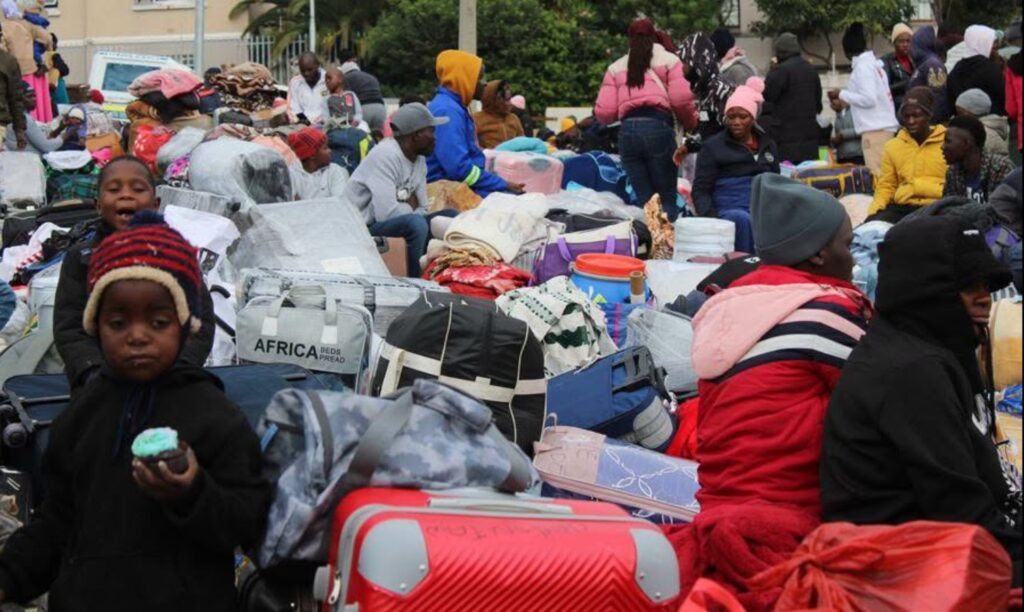
Nearly 100,000 Zimbabwean nationals have returned home from South Africa in recent weeks as anti-immigrant sentiment continues to intensify across Africa’s most industrialised economy, according to the Zimbabwean government. The large-scale return follows a series of anti-illegal immigration protests and increased immigration enforcement that have left thousands of foreign nationals fearing for their safety.
Zimbabwe’s Ministry of Public Service, Labour and Social Welfare said the returnees have been arriving since late May through the Beitbridge border post, with government agencies providing reception, screening, and reintegration support. Officials reported that more than 70 percent of those returning are women and children, highlighting the humanitarian dimension of the migration.
Anti-Immigrant Campaign Gains Momentum
The departures come amid growing support for anti-illegal immigration groups in South Africa, particularly the movement known as March and March, which has organised nationwide demonstrations demanding the removal of undocumented migrants.
The group had called on undocumented foreign nationals to leave the country voluntarily before an unofficial deadline at the end of June. Although the South African government rejected the campaign and stressed that immigration enforcement remains the responsibility of state authorities, the demonstrations have fuelled anxiety among migrant communities.

In several communities, protesters have reportedly gone door-to-door searching for suspected undocumented migrants, while police have increased their presence to prevent violence and maintain public order.
Zimbabwe Responds to the Growing Influx
Harare has activated a government-led repatriation and reintegration programme to assist returning citizens.
Officials say those arriving at the border are undergoing registration, health screening, and profiling before receiving assistance to return to their communities. The government is also coordinating with humanitarian agencies to provide temporary support for vulnerable families, particularly women and children.
Authorities have acknowledged that many returnees left South Africa voluntarily because of growing uncertainty, while others were deported during recent immigration enforcement operations.
Economic Concerns on Both Sides of the Border
South Africa has long been the primary destination for Zimbabweans seeking employment, with hundreds of thousands working in sectors such as agriculture, construction, mining, hospitality, retail, and domestic services.
Economists warn that the departure of large numbers of migrant workers could create labour shortages in industries that rely heavily on foreign labour. At the same time, Zimbabwe faces the challenge of reintegrating thousands of returning citizens into an economy already struggling with unemployment and limited economic opportunities.
The movement of migrants could also affect remittance flows, which provide an important source of income for many families in Zimbabwe.
South Africa Calls for Calm
President Cyril Ramaphosa has acknowledged growing public concern over undocumented migration while urging citizens not to resort to vigilantism or violence.
The South African government has reiterated that immigration laws will continue to be enforced through legal channels and has warned that anyone involved in intimidation, assault, or unlawful actions against foreign nationals will face prosecution.
Police have arrested several individuals linked to recent anti-immigrant incidents, while security has been strengthened in communities where tensions remain high.
Regional Implications
The developments have drawn attention across Southern Africa, with neighbouring governments closely monitoring the situation.
Migration has long played a crucial role in the region’s economy, particularly between Zimbabwe and South Africa. The latest wave of returns has renewed calls for stronger regional cooperation on migration management, labour mobility, and the protection of migrant workers.
As authorities continue to respond to rising tensions, regional leaders are expected to discuss measures aimed at balancing border security with the rights and safety of migrants, while addressing the economic pressures that have fuelled the current crisis.

Comments (0)
No comments yet — be the first to share your thoughts.