

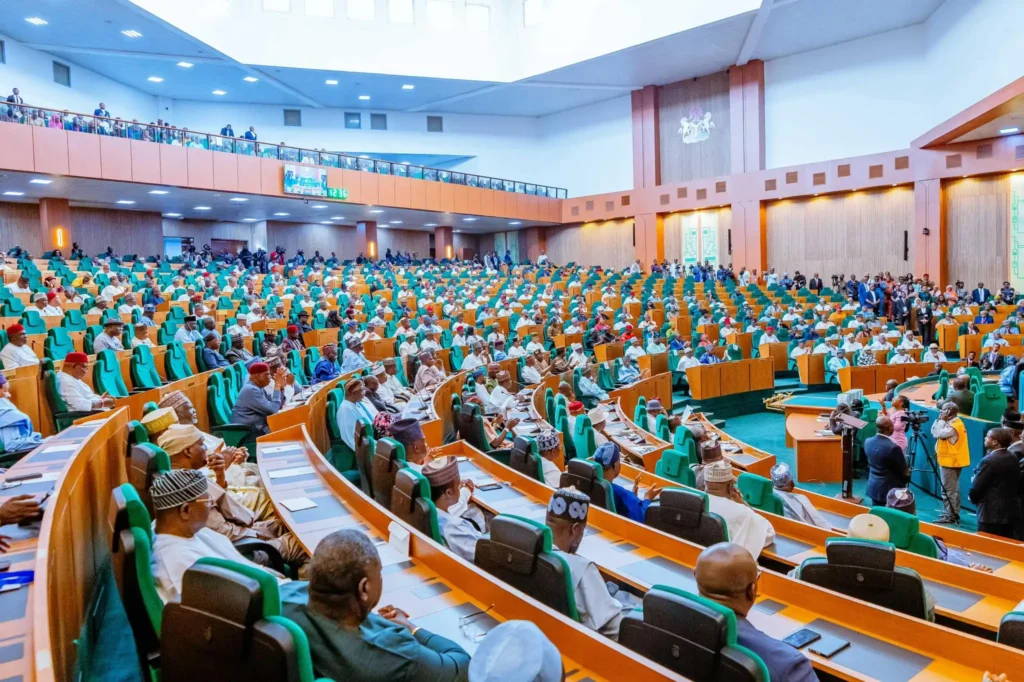
Nigeria has extended the implementation period of the capital component of its 2025 budget for a fourth time, giving federal ministries, departments and agencies until December 31, 2026, to execute projects and utilise funds already appropriated.
President Bola Ahmed Tinubu signed the Appropriation (Amendment) (No. 4) Bill, 2025, into law on September 30, just one day after the Senate and House of Representatives approved the extension. The previous deadline had been September 30, meaning the new law provides another three months for capital projects under the 2025 budget framework.
The Fourth Extension.
The 2025 capital budget was originally scheduled to expire on December 31, 2025. The implementation period was subsequently extended to March 31, 2026, then to June 30 and later to September 30.
The latest amendment now pushes the deadline to the end of December 2026. It means a budget originally designed for the 2025 fiscal year will continue to finance eligible capital projects for an additional year beyond its initial implementation deadline.

The latest extension was requested by the executive and approved through accelerated consideration by both chambers of the National Assembly.
Why the Government Wants More Time.
The presidency said the additional period will give MDAs more time to complete ongoing capital projects and ensure that funds already appropriated are put to use.
Lawmakers similarly argued that allowing the previous deadline to expire could disrupt projects that are already underway, particularly infrastructure projects for which funding has been released or implementation has reached an advanced stage.
Senate Leader Opeyemi Bamidele said the extension would support the completion of funded projects, facilitate the utilisation of released funds and sustain economic activity involving contractors and other businesses. The House of Representatives also cited the need to prevent the abandonment of approved capital projects.
What the Extension Does Not Do.
The amendment does not create a new set of capital projects under the 2025 budget. Rather, it extends the period within which existing appropriations can be implemented.
This distinction is important because the government is attempting to complete projects that were already captured in the 2025 framework rather than reopening the budget to introduce another round of spending.
The Senate also stressed that the extension should not be interpreted as a relaxation of fiscal controls and said implementation remains subject to the requirements of the Fiscal Responsibility Act.
Nigeria’s Continuing Budget-Cycle Problem.
The repeated extensions also highlight the difficulty Nigeria has faced in maintaining a clean separation between successive budget cycles.
The 2025 capital budget has now crossed into the 2026 fiscal year, while the country is simultaneously implementing the 2026 budget. The government has previously said that reforms to budget execution are intended to reduce overlapping fiscal cycles and improve the predictability of public spending.
The Federal Ministry of Finance has also emphasised the need for MDAs to align contracts and expenditure with available cash, obtain the necessary warrants and ensure that public funds are directed toward productive investments.
The Next Three Months Matter.
The new deadline gives government agencies a final three-month window to accelerate projects covered by the 2025 capital budget.
For contractors and businesses working on government-funded infrastructure, the extension provides additional time to complete eligible projects and receive payments tied to approved expenditure. For the government, however, the period also creates another test of how effectively previously appropriated funds can be converted into completed infrastructure and public services.
The December 31 deadline therefore represents more than another adjustment to the calendar. It is another opportunity for the government to close out the 2025 capital budget while attempting to prevent unfinished projects and unutilised appropriations from carrying further into future budget cycles.
Whether the latest extension achieves that objective will depend on how quickly MDAs execute the remaining projects and how effectively the government manages the transition to the 2026 and subsequent budget frameworks.

Comments (0)
No comments yet — be the first to share your thoughts.