

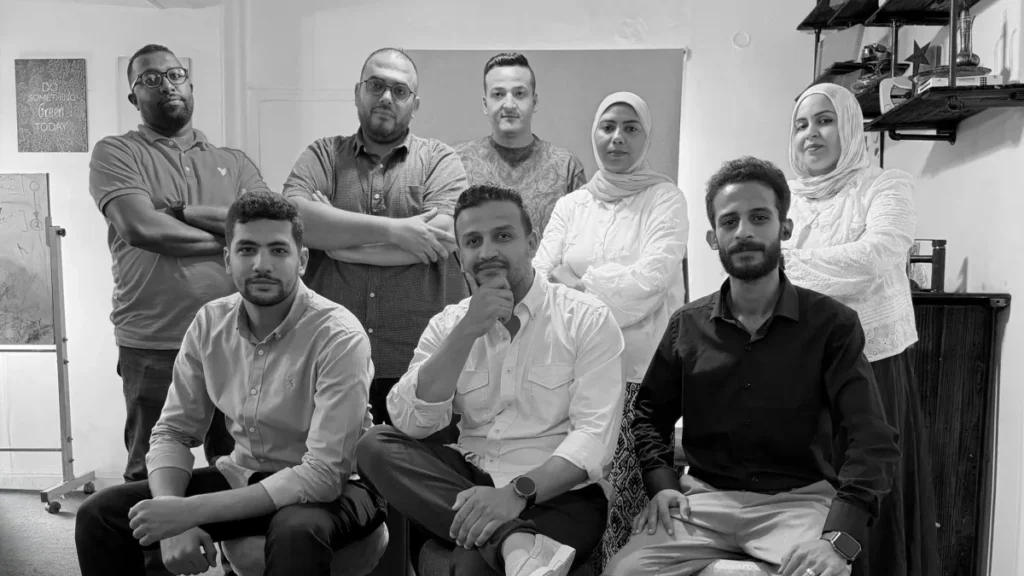
Egyptian recycling technology startup Bekia has raised $765,000 in seed funding as it prepares to expand its digital waste-collection platform, launch a new business-to-business product and test its model in another African market. The funding round was led by Madica, the Africa-focused investment programme affiliated with Flourish Ventures, with follow-on participation from Catalyst Fund and Dakar-based Jambaar Capital.
Founded in 2019 by Alaa Afifi, Bekia connects households with waste collectors through a digital platform that records the weight, quality and payment associated with recyclable materials.
The company’s ambition is to bring more structure and traceability to a recycling economy that remains highly fragmented.
Bekia Is Digitising A Fragmented Waste Market.
Egypt generates approximately 60,000 tonnes of municipal waste every day, according to information cited in the company’s funding announcement. A large portion of that waste is still handled through informal collection networks and ends up outside formal recycling systems.

Bekia’s platform attempts to connect households with collectors while creating digital records of each transaction.
When a collection is booked, a collector arrives, weighs the recyclable material and pays the household according to the applicable rate. The transaction is then recorded digitally.
That information gives companies a clearer picture of where recyclable materials originate and how they move through the supply chain.
The Startup Has Already Built A Large Network.
Bekia says it has diverted more than 25,000 tonnes of waste from landfill and served more than 100,000 customers.
The company also reports that more than 2,400 people have earned income through its network, highlighting how digital waste collection can connect environmental goals with economic opportunities.
The startup’s model is based on the idea that recycling does not necessarily suffer from a lack of demand. Instead, one of the major problems is the fragmented connection between households with recyclable materials and factories that need those materials.
The New Funding Will Finance Expansion.
The $765,000 seed investment will support several areas of Bekia’s expansion.
The company plans to strengthen its engineering team, expand its collection platform and launch Bekia Next, a business-to-business software product.
Bekia also plans to test its model in another African country, giving the company an opportunity to determine whether its digital approach to waste collection can work outside Egypt.
Bekia Wants To Turn Waste Data Into A Business.
One of the most interesting aspects of Bekia’s expansion is its move beyond physical waste collection.
Bekia Next is expected to transform the company’s existing collection data into information that corporate customers can use to track waste and calculate environmental impacts. The platform is also designed to support verified CO₂-avoidance certificates using established carbon-accounting methodologies.
This could create a new revenue stream for the startup because businesses would pay for software and data services rather than simply paying for waste collection.
Women Are A Major Part Of The Customer Base.
Bekia says 97 percent of its customers are women, while enterprise customer retention is above 95 percent.
The company has also reported that its business has grown more than sevenfold since 2023, with revenue now coming from enterprise contracts, household collections and refurbished electronics.
Those figures indicate that Bekia is attempting to build a wider circular-economy platform rather than remaining solely a household recycling application.
Egypt’s Recycling Goals Create A Larger Market.
Bekia’s expansion comes as Egypt seeks to increase the share of municipal waste that is recycled.
The company says Egypt aims to reach a 60 percent municipal recycling rate by 2027, compared with approximately 37 percent in 2024.
That creates a significant market opportunity for technology companies capable of organising collection, tracking materials and connecting waste producers with industrial buyers.
Bekia’s new funding will allow it to test whether the model can scale across borders, turning an Egyptian waste-management solution into a broader African technology business.
The Bigger Opportunity Is Beyond Recycling.
Bekia’s story reflects a wider shift in African technology, where startups are increasingly applying software to sectors that have traditionally operated informally.
Waste management is one of those sectors. By creating digital records around collection, pricing, material quality and payments, Bekia is attempting to make a fragmented industry more transparent and easier for businesses to manage.
The $765,000 investment gives the company additional resources to pursue that ambition, while its planned expansion into another African market will provide an important test of whether its technology-driven recycling model can work beyond Egypt.

Comments (0)
No comments yet — be the first to share your thoughts.