
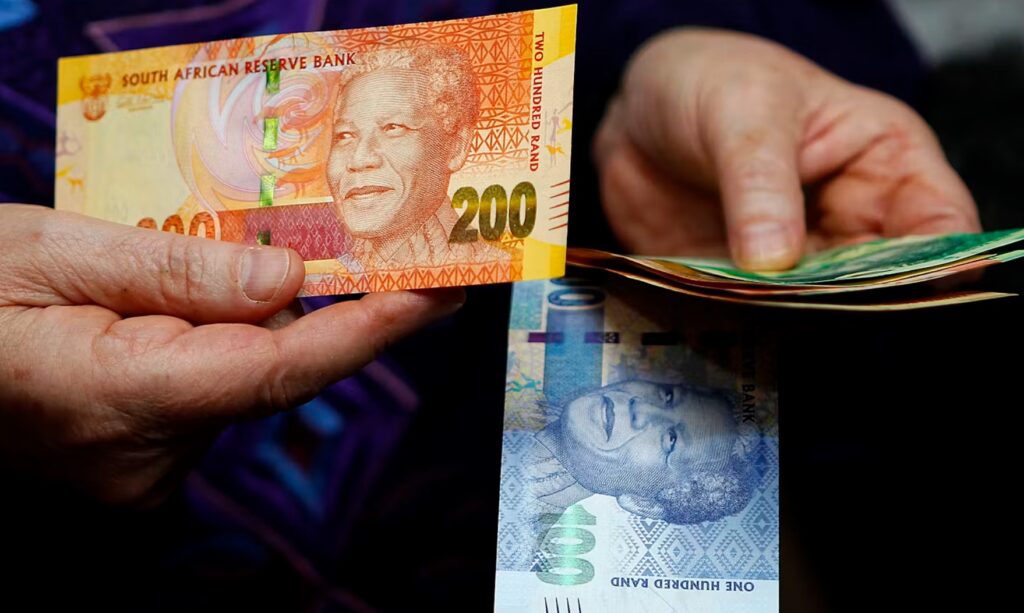
South Africa’s banking sector is beginning to see signs of improvement after years of economic challenges that affected businesses, consumers and financial institutions.
After a difficult period marked by slow economic growth, high interest rates, rising household debt, electricity shortages and weak investor confidence, major banks are reporting cautious optimism that conditions may be starting to stabilise.
Leaders at Nedbank Group say parts of the economy are showing resilience, with early signs that business activity and consumer conditions are improving.
A Difficult Economic Journey
South Africa’s economy has faced several years of pressure.

High unemployment, frequent power disruptions, inflation and expensive borrowing costs created difficulties for households and companies. Many businesses delayed expansion plans, while consumers reduced spending as the cost of living increased.
The South African Reserve Bank’s decision to raise interest rates during the global inflation crisis helped bring inflation under control, but it also placed additional pressure on households and companies trying to access credit.
For banks, the impact was visible through changing customer behaviour, slower lending growth and increased pressure on borrowers.
Nedbank Sees Early Signs of Confidence Returning
Nedbank CEO Jason Quinn has pointed to improving economic conditions as a reason for cautious optimism.
The bank believes some areas of the economy are beginning to recover, supported by improving inflation conditions, better financial stability and renewed activity in certain business sectors.
For financial institutions, economic recovery is closely linked to customer confidence. When households feel more secure, they are more likely to spend, borrow and invest. When businesses regain confidence, they are more willing to expand and create jobs.
Banking Recovery Depends on Consumers
A stronger banking sector does not only depend on profits and financial reports. It depends heavily on the health of ordinary citizens and businesses.
Banks monitor indicators such as loan demand, repayment patterns, savings behaviour and business investment to understand whether the economy is improving.
While some indicators are becoming more positive, challenges remain. Millions of South Africans continue to face unemployment, income pressure and high living costs.
Economists warn that economic recovery must reach households, not only financial markets.
The Role of Banks in Economic Growth
South Africa’s banks play a major role in supporting economic development.
Through business loans, infrastructure financing, housing finance and support for small and medium enterprises, banks influence how quickly companies can grow and how many opportunities can be created.
A stronger banking sector could help finance new businesses, support entrepreneurship and encourage investment.
However, analysts argue that financial recovery alone cannot solve South Africa’s economic challenges. Long term growth will require improvements in infrastructure, energy supply, education, job creation and government efficiency.
A Recovery Still Facing Major Tests
Although the banking sector is seeing positive signals, South Africa’s economic recovery remains fragile.
The country must continue attracting investment, improving productivity and rebuilding confidence among businesses and consumers.
Reliable electricity supply, reduced regulatory uncertainty and stronger economic reforms will be essential if the recovery is to continue.
For Nedbank and other financial institutions, the biggest measure of success will not only be stronger balance sheets.
It will be whether improved financial stability translates into real opportunities for South Africans through jobs, investment and better living conditions.
South Africa may be entering a new economic chapter, but the challenge now is ensuring that recovery becomes something citizens can feel, not just something reflected in financial reports.

Comments (0)
No comments yet — be the first to share your thoughts.