
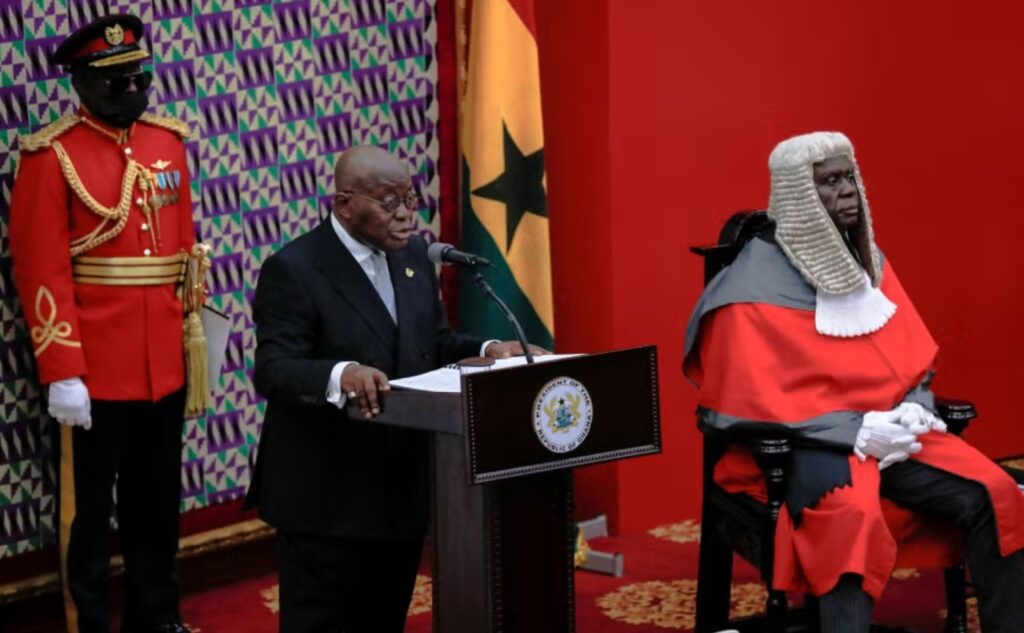
Ghana’s democratic journey is once again under public discussion as political leaders, journalists and civil society actors debate the role of the media in protecting democracy, promoting accountability and strengthening public trust in institutions.
The debate comes as Ghana continues to be recognised as one of West Africa’s strongest democratic systems, with a long history of peaceful transfers of power and competitive elections. However, growing concerns over misinformation, political polarisation and declining trust in public institutions have renewed conversations about the future of Ghana’s democracy.
The Media’s Role in Protecting Democracy
Former government communications official Samuel Koku Anyidoho has highlighted the importance of responsible journalism and a strong media environment in maintaining democratic stability.
He argued that Ghana’s media has played a critical role since the return to constitutional rule in 1992 by holding leaders accountable, giving citizens a platform to express concerns and ensuring that national debates remain open.

However, he also warned that the media landscape is facing new challenges, including misinformation, partisan reporting and the rapid spread of unverified information through social media platforms.
Ghana’s Democratic Reputation
Since the introduction of the Fourth Republic in 1992, Ghana has built a reputation as one of Africa’s leading examples of democratic progress.
The country has experienced several peaceful transfers of power between the two dominant political parties, the New Patriotic Party (NPP) and the National Democratic Congress (NDC).
The 2024 general elections, which brought another political transition, reinforced Ghana’s reputation for electoral competitiveness and peaceful democratic change.
President John Dramani Mahama, who returned to power after the election, has promised reforms aimed at improving governance, strengthening institutions and rebuilding public confidence.
Growing Concerns About Political Polarisation
Despite Ghana’s democratic achievements, political tensions have increased in recent years.
Critics argue that political competition has become increasingly divided, with public institutions sometimes viewed through partisan lenses. Concerns have also been raised about the influence of political interests on media organisations.
Analysts say that democracy requires more than elections. It depends on independent institutions, respect for different opinions and the ability of citizens to access reliable information.
The Challenge of Digital Misinformation
Like many African countries, Ghana is experiencing the impact of social media on political communication.
Digital platforms have expanded access to information but have also increased the spread of false claims, manipulated content and politically motivated narratives.
Media experts argue that strengthening fact checking, improving digital literacy and supporting independent journalism will be essential to protecting democratic debate.
A Lesson for Africa
Ghana’s experience offers important lessons for the continent. Strong democracies are not built only through elections but through institutions that remain trusted between elections.
An independent media, accountable leadership and informed citizens are central to ensuring that democracy delivers meaningful results.
As Ghana continues its democratic journey, the biggest challenge will be maintaining the values that made it a regional example while adapting to new political and technological realities.
The future of Ghana’s democracy will depend not only on politicians but also on journalists, civil society and citizens who continue to demand transparency, accountability and good governance.

Comments (0)
No comments yet — be the first to share your thoughts.