

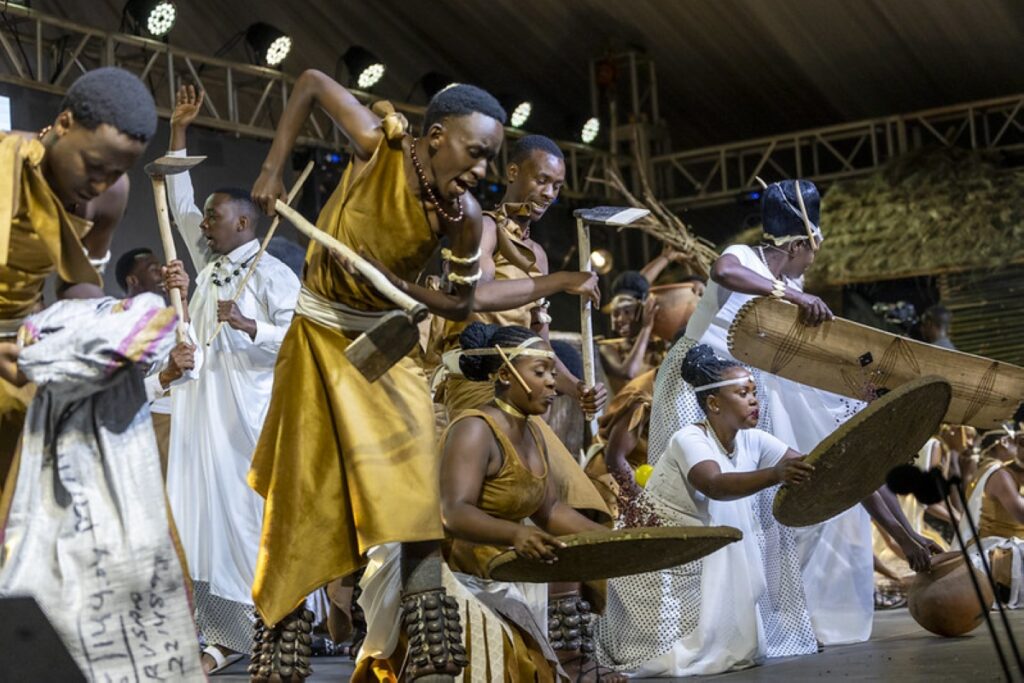
Rwanda’s rich cultural heritage took centre stage over the weekend as the Intayoberana Cultural Troupe staged the seventh edition of its annual “Gira u Rwanda” cultural concert at the Kigali Serena Hotel. The event brought together hundreds of spectators for an evening of traditional dance, music, poetry and storytelling, reaffirming the country’s commitment to preserving its cultural identity while inspiring younger generations.
Held on July 25, 2026, the concert attracted families, cultural enthusiasts, artists and government officials who gathered to celebrate Rwanda’s traditions through vibrant performances that blended history with modern stage production. Organisers described the event as more than just entertainment, saying it serves as a platform to encourage young Rwandans to appreciate their heritage and strengthen national unity.
A Celebration of Rwanda’s Cultural Identity
The “Gira u Rwanda” concert has become one of Rwanda’s leading cultural events, showcasing traditional performances that reflect the country’s customs, values and history.
Members of the Intayoberana Cultural Troupe presented energetic dance routines, traditional drumming, songs and theatrical performances that highlighted Rwanda’s cultural diversity. The production combined colourful costumes, live music and storytelling to create an immersive experience for the audience.

The event also celebrated the role of culture in preserving national identity while promoting pride among younger generations growing up in an increasingly digital world.
Youth at the Heart of the Event
One of the main objectives of the annual concert is to encourage young people to embrace Rwanda’s cultural heritage.
The Intayoberana Cultural Troupe has built a reputation for using performance art to educate youth about traditional values, discipline, unity and patriotism. Organisers believe cultural education plays an important role in nation-building by helping young people understand their history while preparing them to contribute positively to society.
The strong attendance by students and young families reflected growing interest in cultural events that connect entertainment with education.
Blending Tradition with Modern Performance
This year’s production demonstrated how traditional African performing arts can evolve while remaining authentic.
Modern lighting, stage design and audiovisual production complemented centuries-old dances, songs and ceremonies, creating an experience that appealed to audiences of all ages.
The combination of traditional storytelling with contemporary presentation techniques has helped the “Gira u Rwanda” concert reach wider audiences and strengthen its reputation as one of Rwanda’s flagship cultural showcases.
Culture as a Driver of Tourism and the Creative Economy
Beyond its cultural importance, the concert also contributes to Rwanda’s growing creative economy.
Large-scale cultural events attract visitors, create opportunities for performers, designers and event professionals, and support businesses in the hospitality and tourism sectors.
Rwanda has increasingly positioned culture as part of its broader tourism strategy, promoting festivals, music, heritage sites and artistic performances to both local and international audiences.
Events such as “Gira u Rwanda” demonstrate how cultural preservation can also generate economic opportunities while strengthening the country’s international image.
Keeping Tradition Alive
As Rwanda continues its rapid economic and technological development, cultural organisations such as the Intayoberana Cultural Troupe are ensuring that traditional arts remain an important part of national life.
By passing knowledge from one generation to the next through music, dance and storytelling, the troupe is helping preserve customs that might otherwise fade over time.
The success of the seventh edition of the concert reflects growing appreciation for Rwanda’s cultural heritage and the important role that performing arts continue to play in strengthening national identity.
For many in attendance, the evening was more than a performance. It was a celebration of Rwanda’s past, its present and the values that continue to shape its future.

Comments (0)
No comments yet — be the first to share your thoughts.